A determined bird

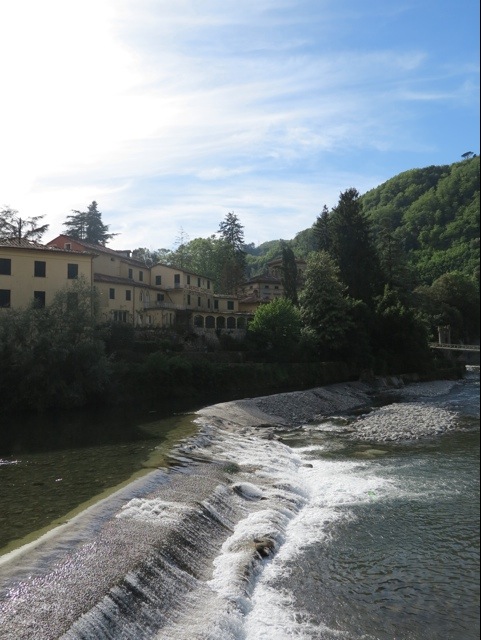
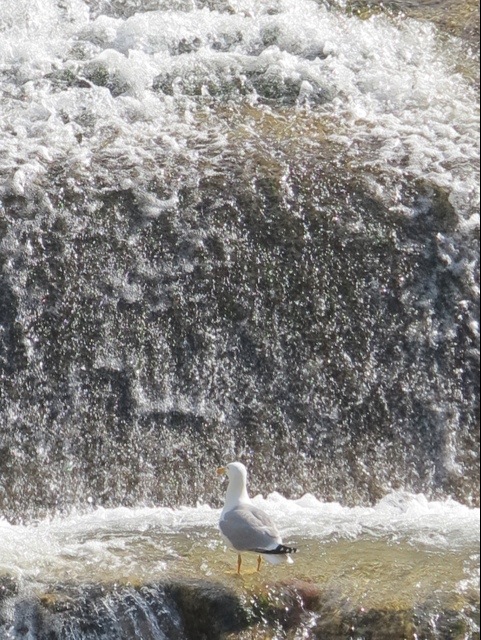
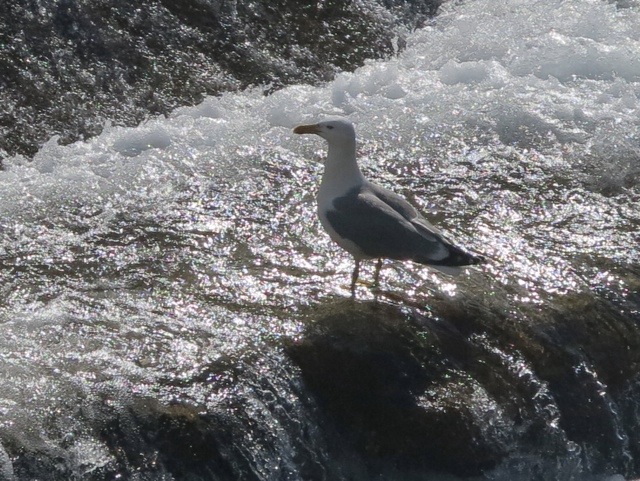
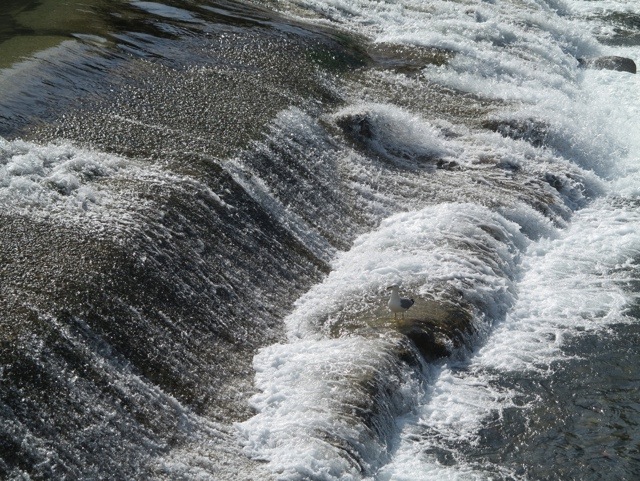
If you look closely in the photo of the waterfall in the river at Ponte a Serraglio you will see a seagull. I watched this bird over several days and he always appeared in the same spot on a ledge in the middle of the overflow.

20140824-064408.jpg

He is clearly standing there waiting for a fish to come hurtling through the water towards him. It must work because it is his regular place.

20140824-064630.jpg

20140824-064950.jpg

20140824-065017.jpg

20140824-065044.jpg

20140824-065101.jpg

20140824-065112.jpgIt seems odd to see seagulls in a mountain village, but the sea is quite close as the crow, or in this case, the seagull, flies.

Our ducks seem to be disappearing slowly, but the seagulls are always on the river.

Pieve di Controne

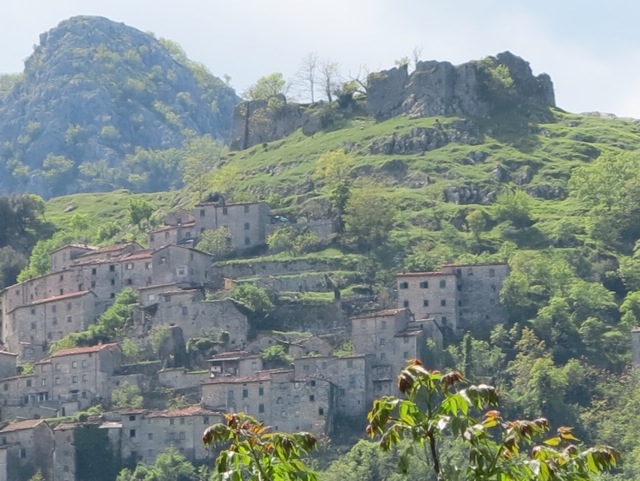
Pieve di Controne is a small village in a beautiful rural setting in the Controneria area. It is 565 metres above sea level and 8 kilometres from the centre of Bagni di Lucca.

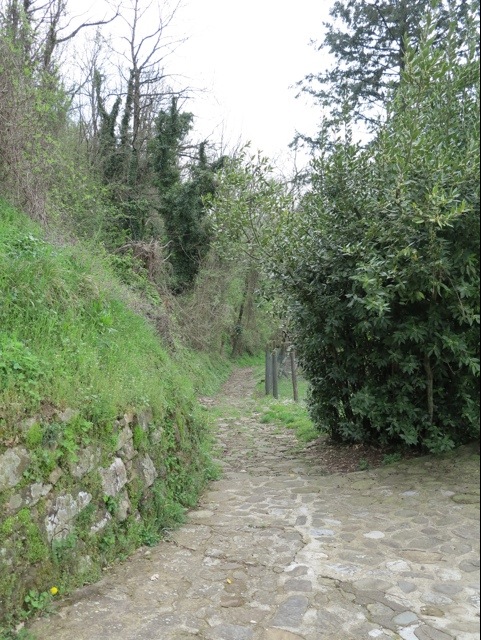
From the main road from La Villa towards San Cassiano, take the road through San Gemignano. From there you will drive through a pretty forest for one kilometre until you reach Pieve di Controne.

20140808-120747.jpg

20140808-120559.jpg

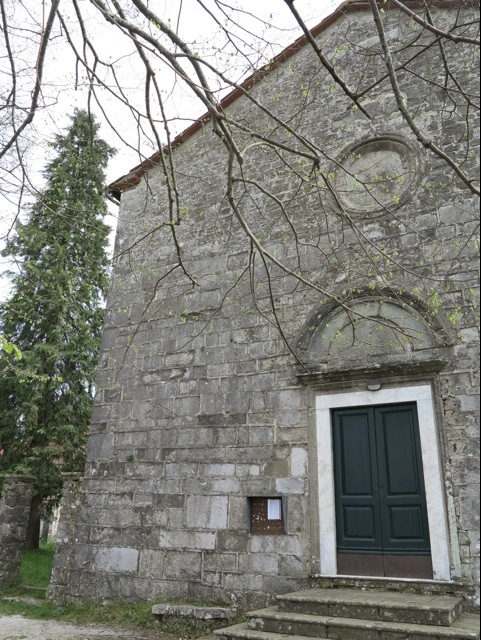
The parish church is dedicated to San Giovanni Battista. It was previously the church of Santo Stefano which was mentioned in a parchment in 884 AD. It was one of 28 churches founded by San Frediano.

20140808-121231.jpg

In the 14th century there was a landslide which ruined the entrance, so another was built on the other side. Both facades are visible today, making the church very interesting indeed. It was not open the day I was there. I will return to see the stone font and the organ built in 1773 by Michelangelo Crudelli.

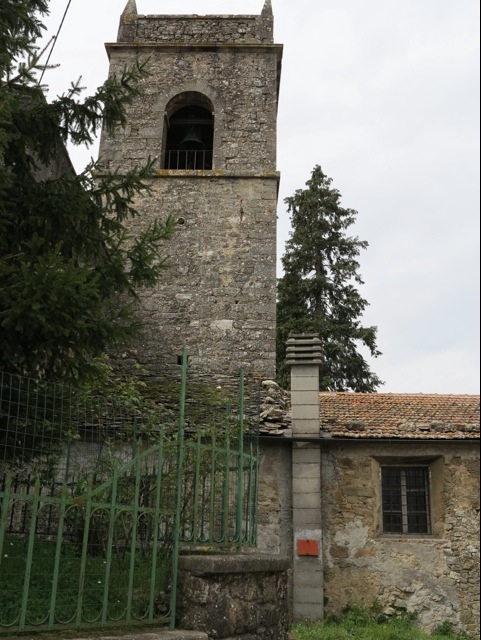
The bell tower was built in the 19th century and has the largest bells in the territory of Bagni di Lucca.

Few people live in Pieve di Controne today. The lucky ones who make it home have some of the best views in the area. There are lovely gardens and areas of cultivation. Come for a walk with me through the village.

I visited Pieve di Controne in late spring. I’m sure it would just as lovely in other seasons, especially autumn when the chestnut trees turn golden…I will be back.

Crasciana

Crasciana is 799 metres above sea level and is about 12 kilometres from La Villa. The winding road to the village takes you through lovely forests. The chestnut forests close to Crasciana are particularly beautiful.

The name Crasciana comes from the Roman colonist Carsius. The town has a long history, beginning around 800 AD. At one time it had a large population and was important strategically in the years of fighting in the area.

It is delightfully sleepy now, a peaceful and beautiful place to visit. We drove up in late spring and the road was lined with wildflowers.

There are some fine old houses and decorations, narrow streets, and a collection of green doors.

A lovely little piazza in the centre of town makes a great place to gather for a chat.

The gardens are well cared for…there are flowers and vegetables growing all over the village.

As with all of the mountain villages, the views are spectacular, even on a hazy day.

We really enjoyed our walk through Crasciana and spoke to a few of the lucky locals who call it home. One resident pointed out that there is a Crasciana Alta…a good reason for another visit.

To reach Crasciana, take the turn off from the SS12 towards Casabasciana and follow the signs to Crasciana.


A walk through Pieve di Monti di Villa

Spring is the perfect time to wander through the lovely villages that make up Bagni di Lucca. Pieve di Monte di Villa is 476 metres above sea level and it offers great views over the surrounding mountains and valleys. Take the road from Ponte a Serraglio, through Granaiola and on to Pieve di Monte di Villa.

Pieve di Monti di Villa has about 100 hundred residents who obviously take great pride in their village. The houses and gardens are beautifully kept, making a walk through the tiny, winding lanes a delight…come for a walk with me, starting at the bar at the top of the town.

20140530-100748.jpg

The views from the top are spectacular.

20140530-100838.jpg

20140530-100854.jpg

20140530-101130.jpg

The little streets meander through the village. Some of them are quite steep.

The church of San Giovanni Battista was built in the 12th century, rebuilt in 1446 and remodelled between 1760 and 1766.

20140530-102358.jpg

20140530-102417.jpg

20140530-102432.jpg

If you come to Bagni di Lucca, take the time to wander through the mountain villages…each one has something different to offer.

20140530-103452.jpg


A little rant

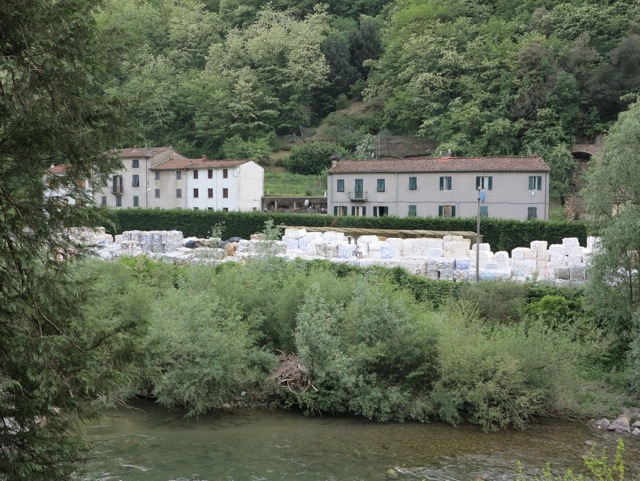
We have a couple of paper factories at Ponte a Serraglio. For the most part they go reasonably quietly about their business. I think there may be an occasional dump of waste into the river when nobody is watching, but the water seems clean.

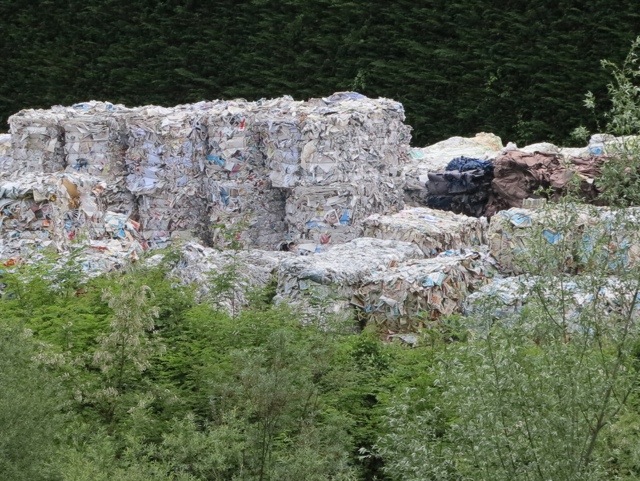
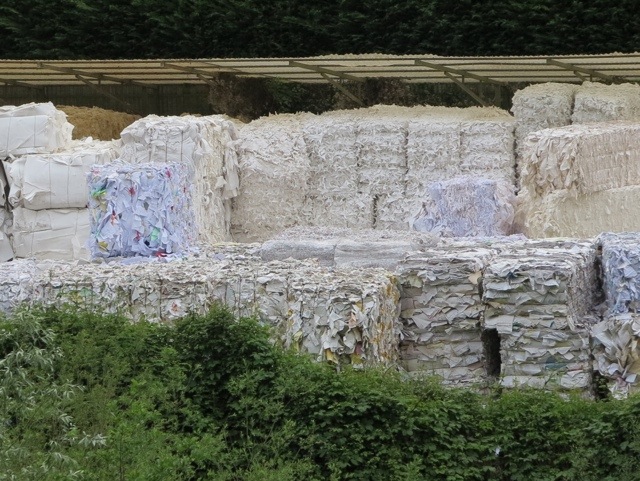
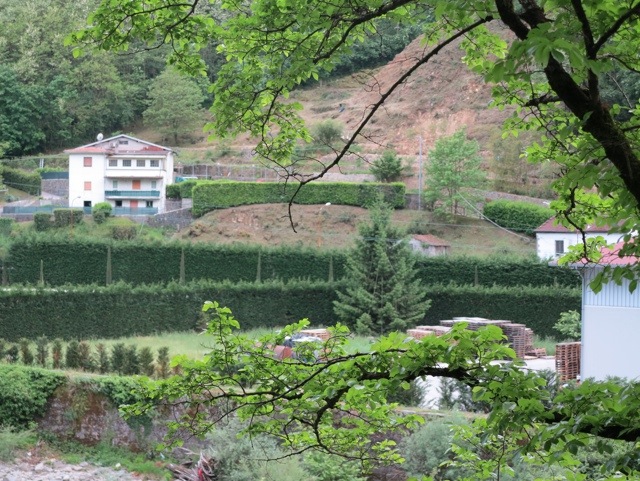
What bothers me about one of them are the piles of recycled materials stacked up beside the river. They are plainly visible from the other side, and have been so in the 10 years I have been coming to Bagni di Lucca.

20140510-091928.jpg

20140510-091948.jpg

20140510-092007.jpg

A few years ago a shed was built and I thought the piles were going to disappear in there…but no.

20140510-092127.jpg

A hedge has been grown between the road and the storage area and the owner has a nice hedge in front of his house so that he doesn’t have to look at it.

20140510-092247.jpg

20140510-092305.jpg

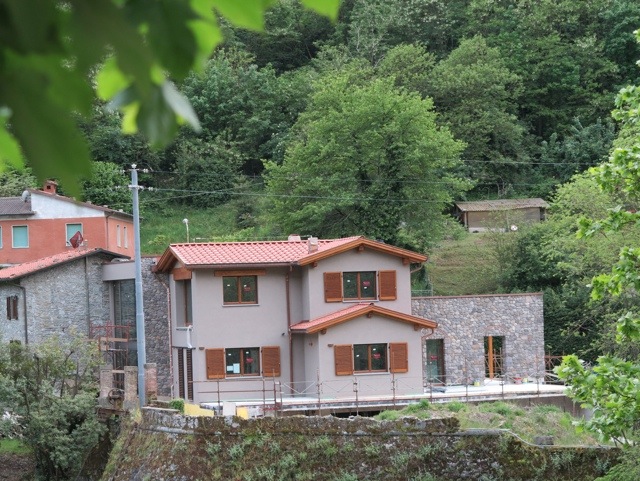
He is clearly doing well as he is building an enormous extension to his house.

20140510-092354.jpg

Perhaps he could spend a little on fixing the eyesore in his factory grounds.

Mobbiano

A short distance from Longoio is the tiny hamlet of Mobbiano. Just before the car park in Longoio is a road on the right heading up the hill. There is nowhere to park in Mobbiano unless you live there, so it is best to leave your car at the bottom of the hill and walk up.
I walked down from above Longoio past the little church that sits between the 2 villages.

20140501-075314.jpg

The church wasn’t open, but I could peer inside.

20140501-075359.jpg

This date is on the side of the building, along with a very cute angel.


A little further along the track Mobbiano comes into view.


20140501-075750.jpg

Mobbiano is now a collection of houses. I don’t know whether there were ever shops or businesses here. Perhaps someone out there knows.

There are some lovely houses and it must be a peaceful place to live. All you can hear is birds. The gardens are lovely and the views are gorgeous. There are some seriously steep steps and tiny lanes between the levels of the village.

One of the houses, now derelict, must have belonged to the church. There is a cross on the old door. It needs a bit of work.

Take a walk through Mobbiano if you are in the area, especially now that spring is here.


Longoio revisited

Spring seemed like a perfect excuse to revisit Longoio. It is one of the tiny villages on the way to San Cassiano. Just after the Gombereto, on a bend in the road, you will see the sign for Longoio. Turn left and follow the narrow road to the car park. From there it is walking only.

The views from Longoio are wonderful. This is looking towards Guzzano.

20140424-061657.jpg

The weather was a bit changeable, but the sky looked magnificent most of the time.

20140424-061837.jpg

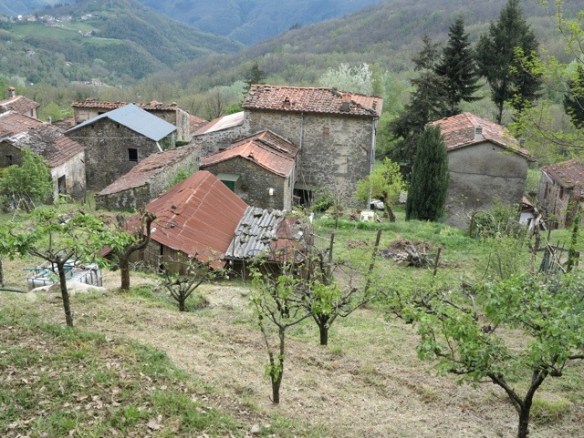
I went for a walk above and behind Longoio. Spring gardens are being prepared.
20140424-064801.jpg

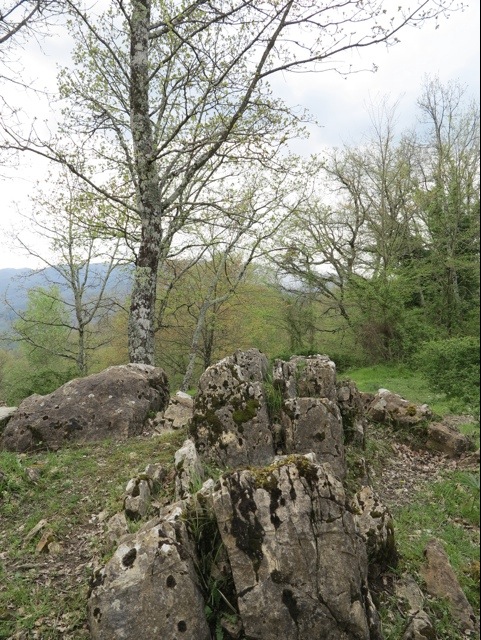
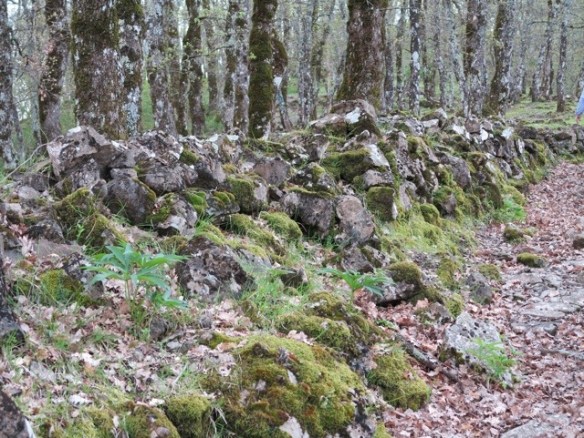
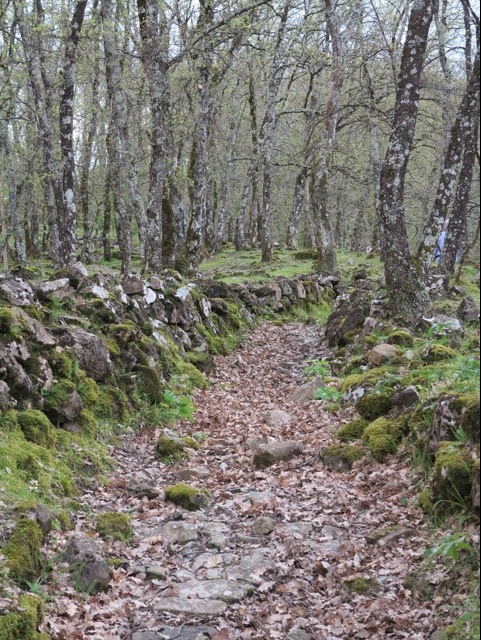
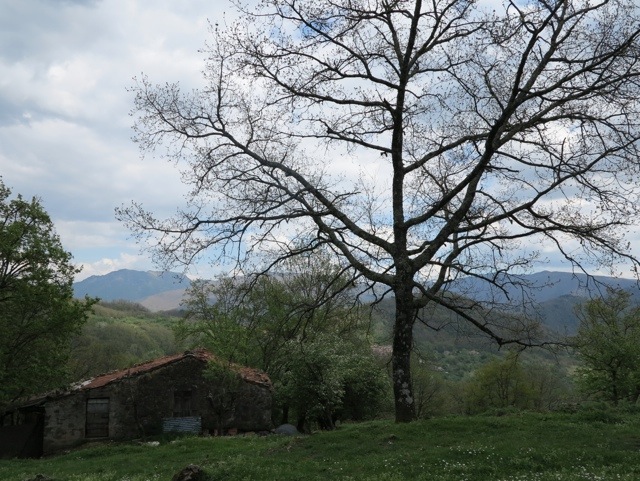
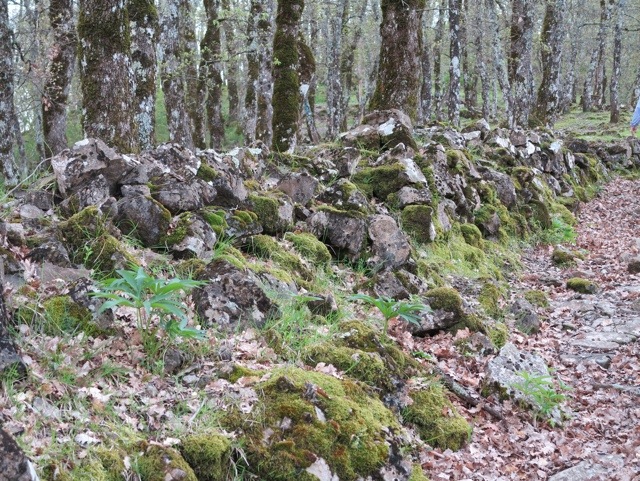
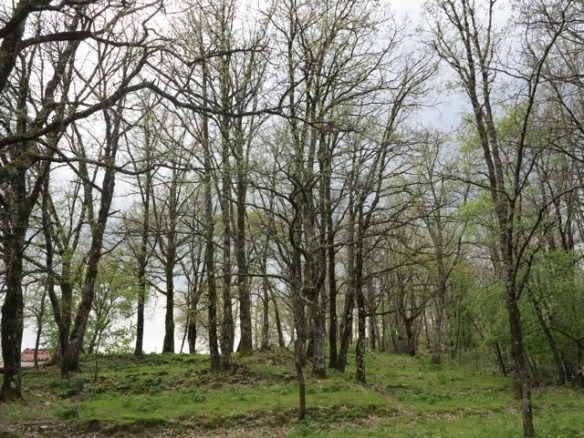
The path leds to the most amazing forest of old oak trees and dry stone walls. The ancient paths are lined with stones. I would love to know who built them. Clearly a lot of hard work was involved.

20140424-062114.jpg

20140424-062137.jpg

20140424-062155.jpg

20140424-062214.jpg

20140424-062238.jpg

20140424-062305.jpg

20140424-062327.jpg

20140424-062347.jpg

20140424-062406.jpg

Mushrooms in various stages of growth were to be found. The one on the right looks as though it is wearing a black wig.


The view from the top of the hill is spectacular.

20140424-062558.jpg

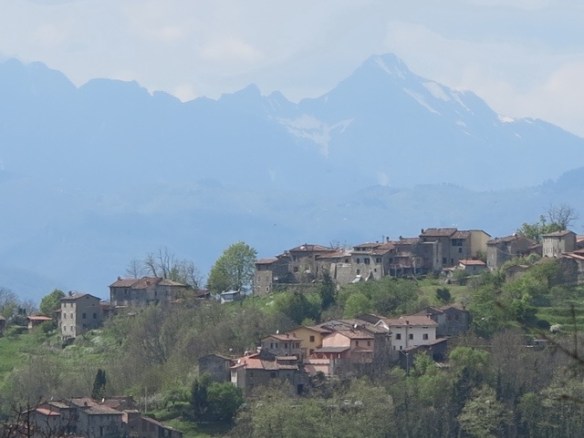
Monte di Villa, Pieve di Monte di Villa, Riolo and Granaiola are visible through the trees.
20140424-062739.jpg

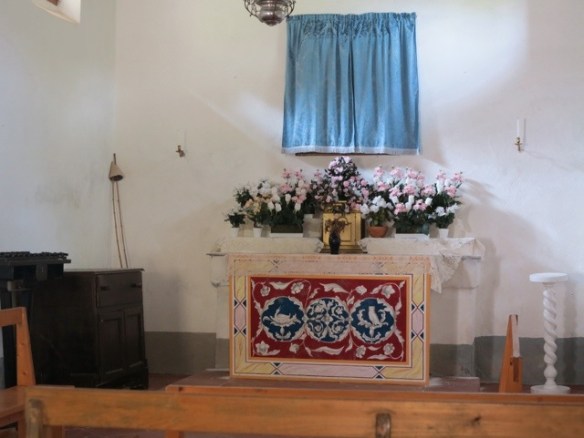
I wandered down to the delightful little chapel, Madonna della Serra.

20140424-062854.jpg

It is very well maintained.

20140424-062929.jpg

There is a curious little statue of Beethoven just inside the window. I wonder why.

20140424-063014.jpg

On the left of the church is a track leading down to La Villa.

20140424-063059.jpg

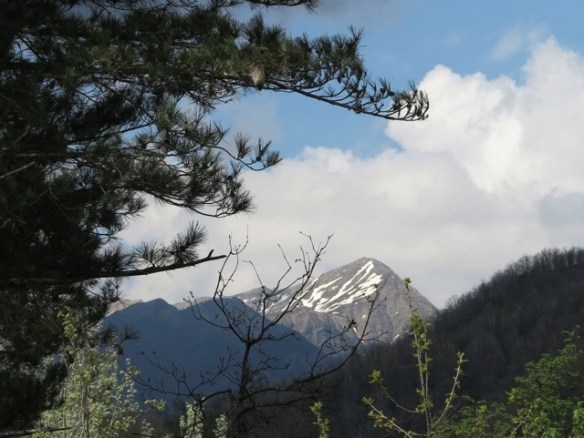
On the other side there are great views of Il Rondinaio with some snow still visible.
20140424-063322.jpg

I walked back towards Longoio past an old fountain.
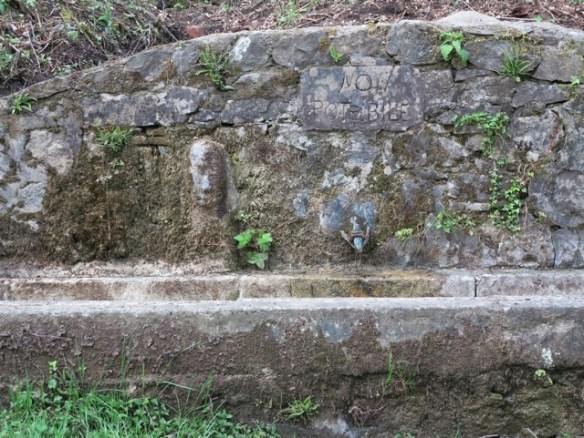
20140424-063401.jpg

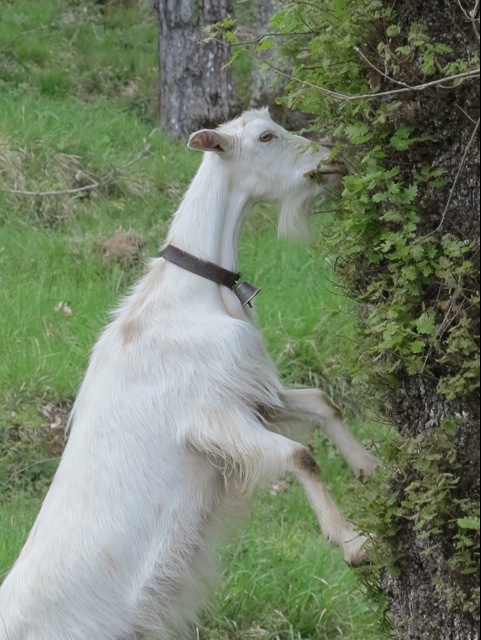
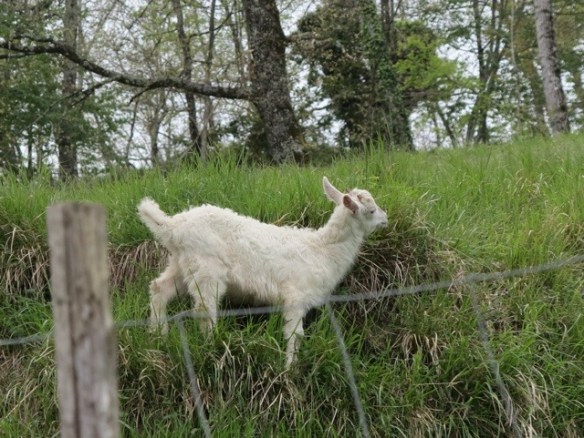
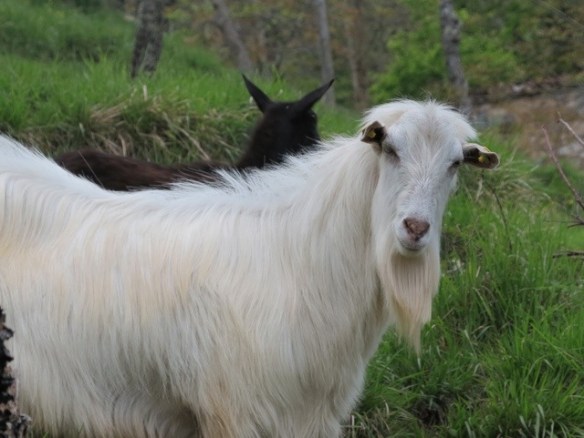
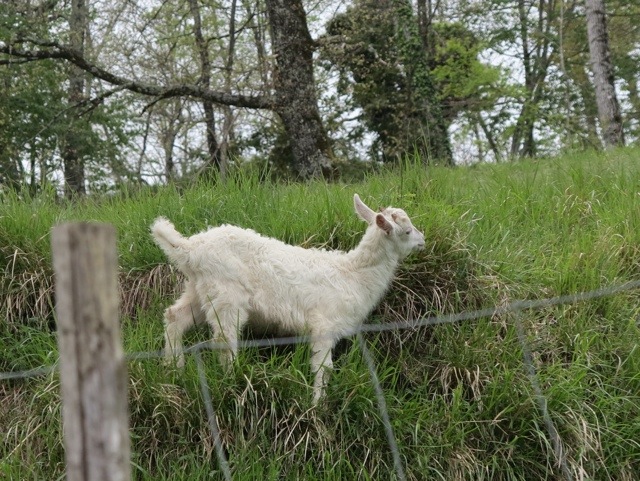
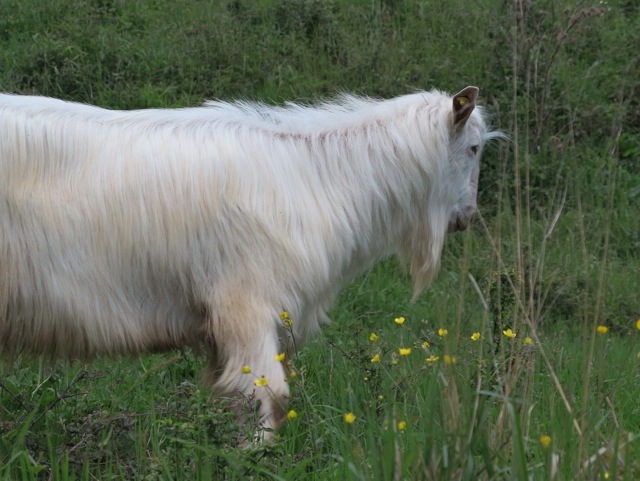
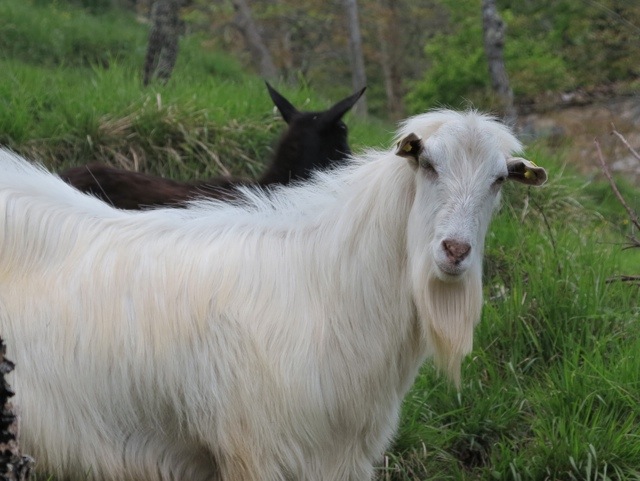
I came upon the wonderful sight of a shepherd with her goats. The beautiful animals looked as though they had just been washed and brushed and were out for a walk to show off their lovely coats.

20140424-063455.jpg

20140424-063522.jpg

20140424-063542.jpg

20140424-063607.jpg

20140424-063631.jpg

20140424-063654.jpg

20140424-063721.jpg

20140424-063744.jpg

20140424-063802.jpg

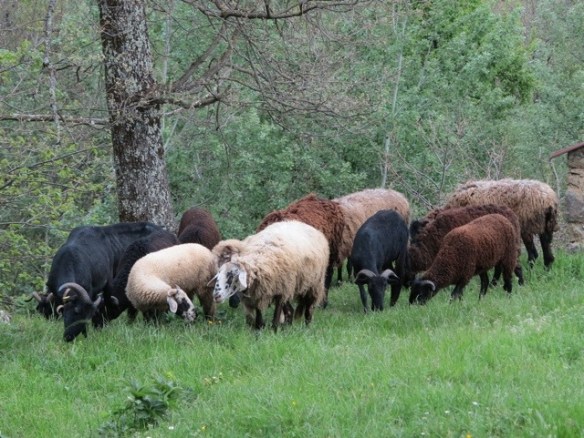
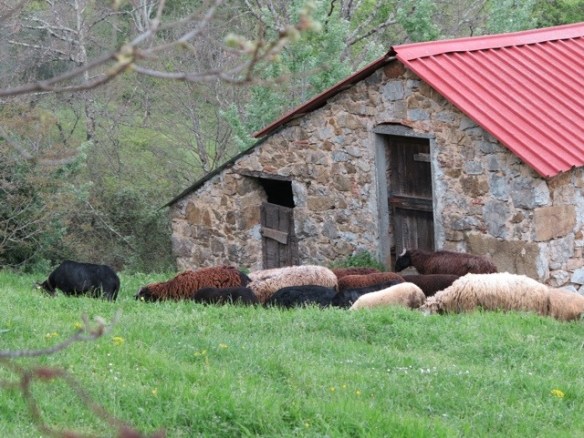
On the other side of the path another rustic scene presented itself.
20140424-063952.jpg

20140424-064020.jpg

20140424-064047.jpg

20140424-064103.jpg

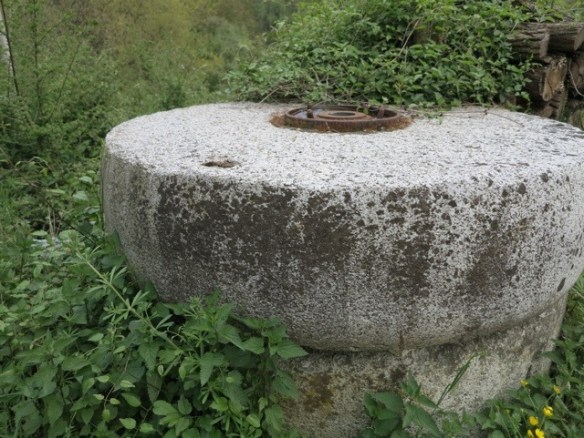
I passed some huge old stone wheels from a mill.
20140424-064259.jpg

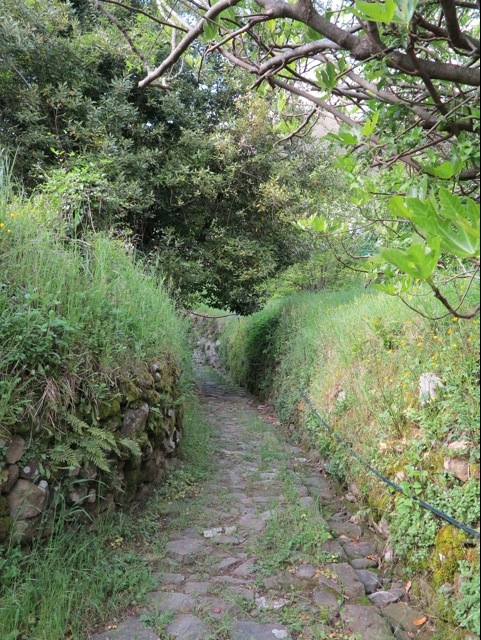
…and came to the old path to Longoio.
20140424-064335.jpg

20140424-064355.jpg

Right now is a perfect time to do this walk, wisteria is in bloom, fruit trees are in blossom, wildflowers are everywhere…what more could you want?



20140424-064722.jpg


Gombereto

I walked to Gombereto down the path from San Gemignano. In just a few minutes the village comes into view.

20140410-095050.jpg

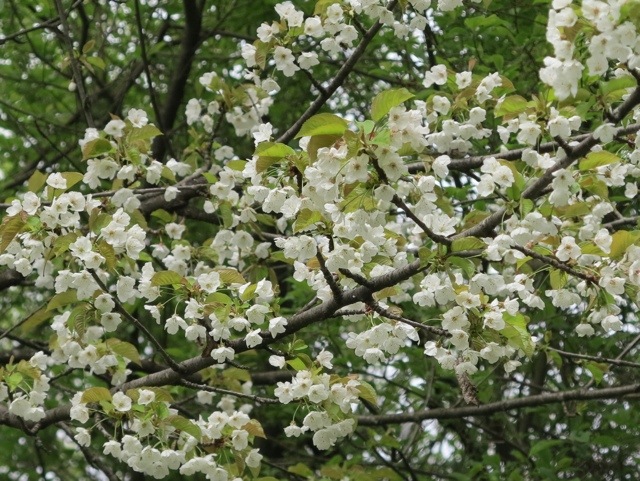
The fruit trees look wonderful in blossom.

20140410-095129.jpg

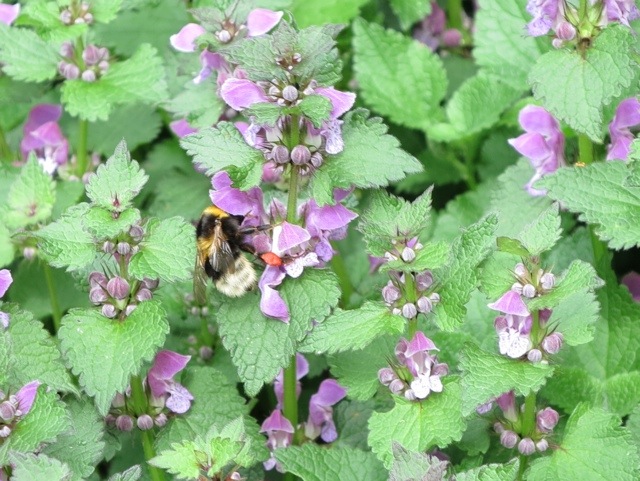
The path is lined with wild flowers and bees the size of my thumb were having a great time. They won’t sit still for a photo unfortunately.

20140410-095256.jpg

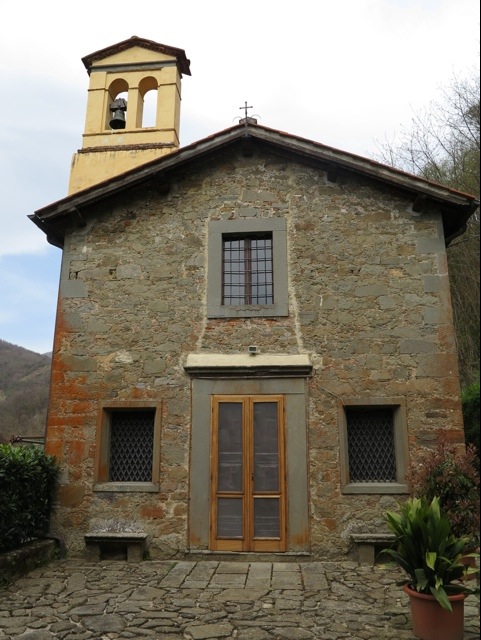
The first building I came to on the path is the tiny church.

20140410-095347.jpg

I went on further to the Piazza dei Caduti.

20140410-095427.jpg

From there several tiny lanes lead off to different parts of the village.

Old tree trunks and barrels have been put to good use as planters.

Grape vines are sprouting.

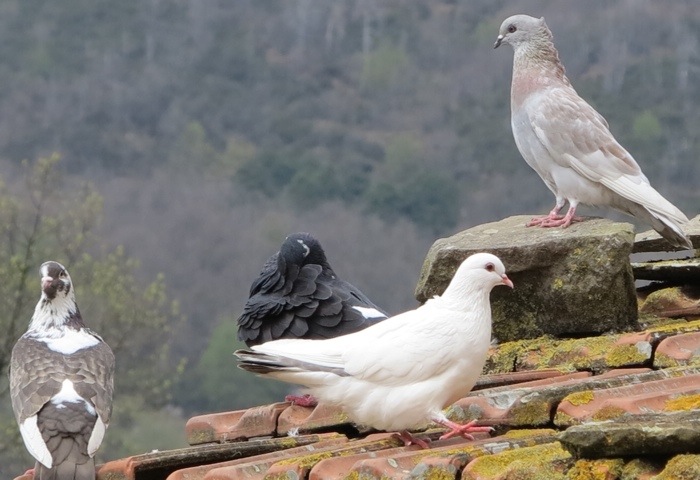
There was a pigeon party happening on a rooftop.

20140410-100403.jpg

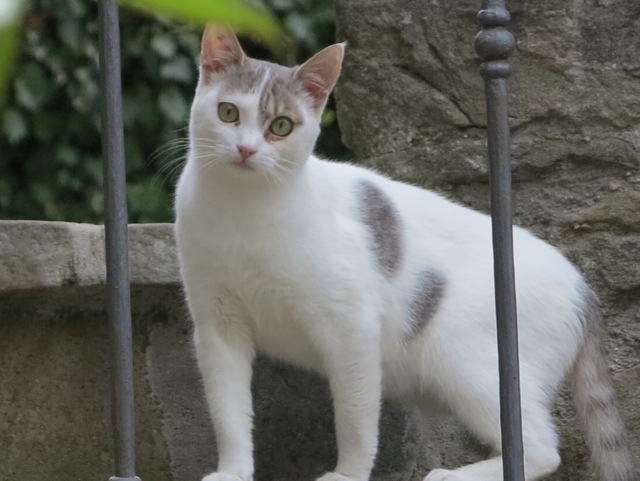
…and a lone cat out for a walk.

20140410-100450.jpg

There are some wonderful old doors in my favourite colour.

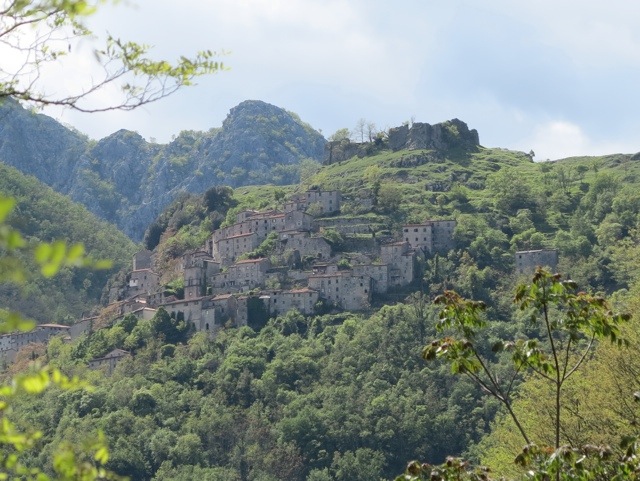
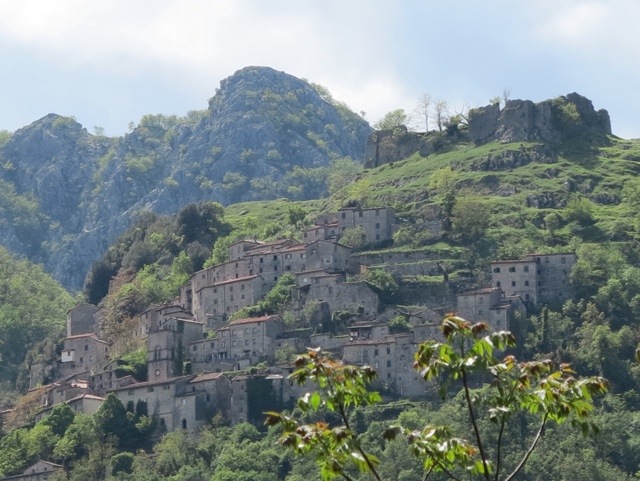
Here is the view of Gombereto from Longoio…another place to visit soon.

20140410-101050.jpg

San Gemignano di Controne

Bagni di Lucca’s San Gemignano is not to be confused with the town with many towers, San Gimignano. Our sleepy hamlet is part of La Controneria, the largest and most populated area of Bagni di Lucca. La Controneria includes Guzzano, Gombereto, Mobbiano, Longoio, San Gemignano, Pieve di Controne, Vetteglia and San Cassiano.

San Gemignano is 532 metres above sea level and 7.5 kilometres along a narrow, winding road from La Villa. I visited on an overcast spring day…come for a walk through the village.

20140406-052249.jpg

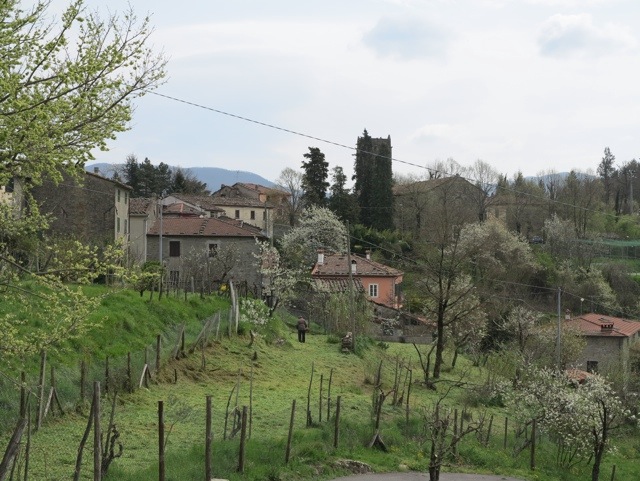
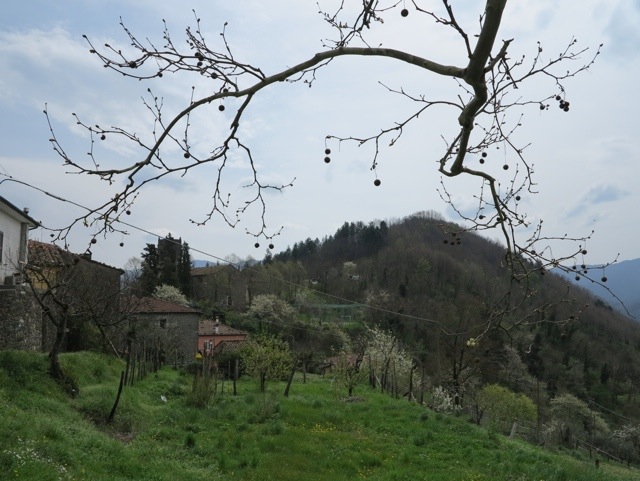
The views are lovely, even on a dull day.

20140406-052342.jpg

20140406-052405.jpg

There is a small shop at the top of the town and a narrow lane heads down hill from there. Old stone houses line the street.

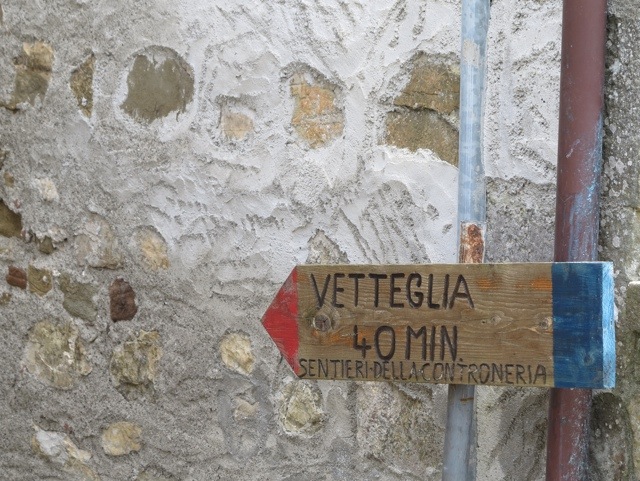
There is a track to Vetteglia.

20140406-052936.jpg

…and a track down the other way to Gombereto.

20140406-052744.jpg

20140406-053032.jpg

20140406-053048.jpg

A bit further along the main street is the church dedicated to S Gemignano Vescovo who is said to have saved the Emperor of Constantinople’s daughter from the devil.

20140406-053428.jpg

20140406-053509.jpg

20140406-053544.jpg

20140406-053600.jpg

The bell tower dates from the late 1800s. The church dates from 1581, but was rebuilt last century after an earthquake. It wasn’t open the day I was there…another visit is required.

Spring is showing its pretty face in the gardens and along the sides of the roads and tracks. There are wildflowers everywhere and some fruit trees are in blossom.

20140406-053930.jpg

I passed a peony plant covered with flowers the size of cabbages.

20140406-054426.jpg

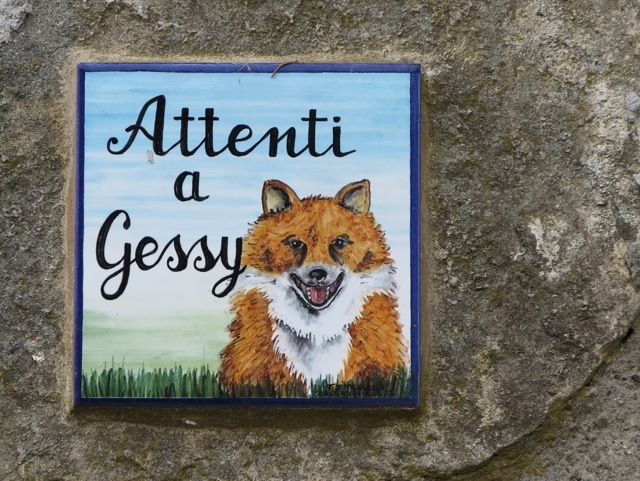
Watch out for Gessy…although he doesn’t look all that fierce to me.

20140406-054640.jpg

At the end of the town is a chestnut forrest leading to Pieve di Controne…another day.

20140406-054737.jpg