Lunch at Al Barchetto

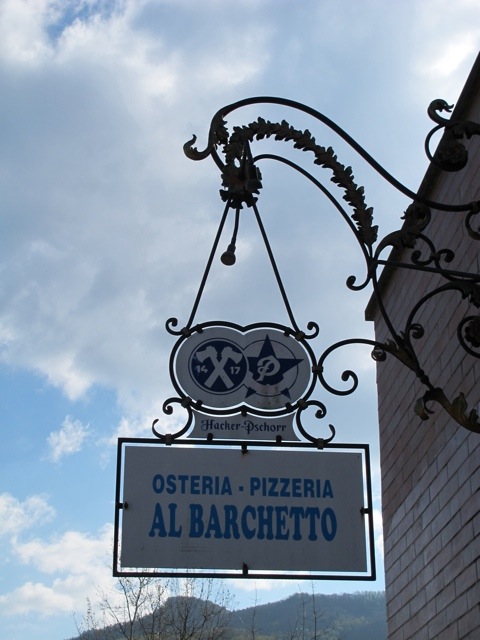
Not far from Bagni di Lucca on the road to Gallicano, Al Barchetto is a great place to have lunch. I have passed it many times and finally made my way there on a lovely autumn day.

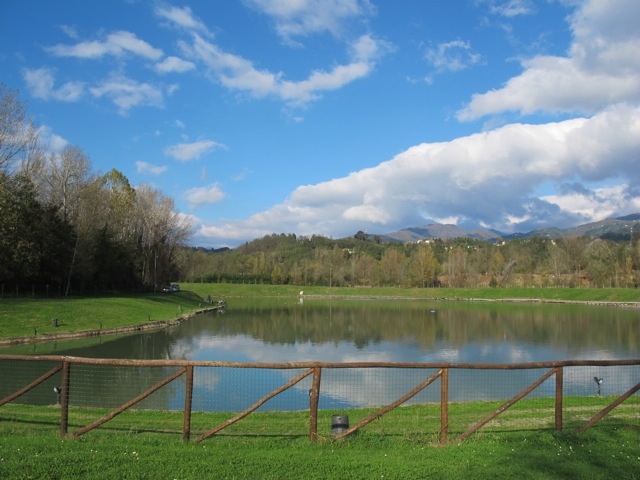
The restaurant is set beside a fishing lake.

20131201-061739.jpg

20131201-061841.jpg

20131201-061902.jpg

20131201-061919.jpg

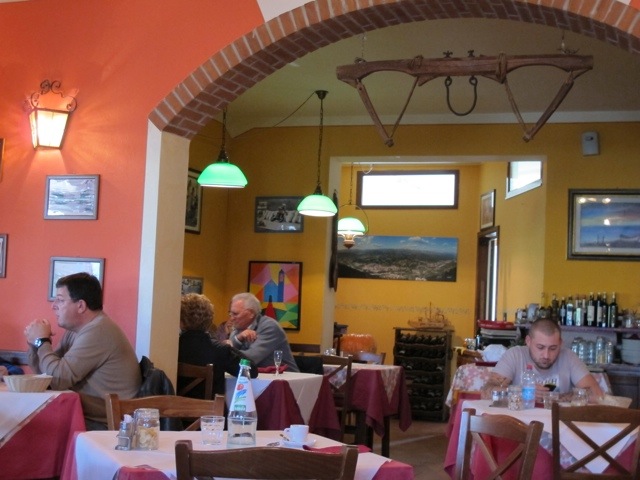
The interior is bright and cheerful, and the service is much the same.

20131201-062011.jpg

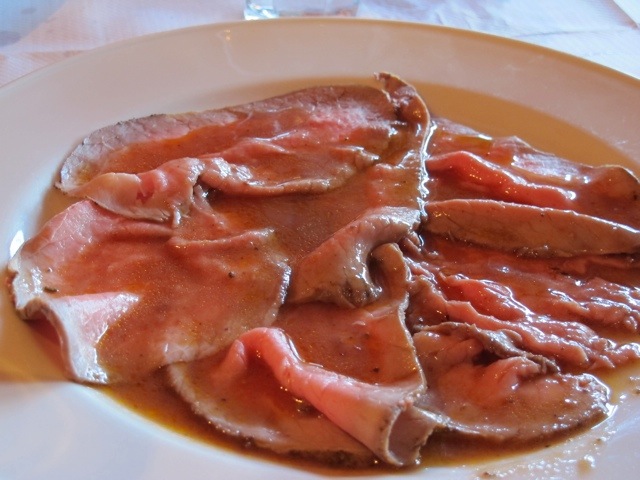
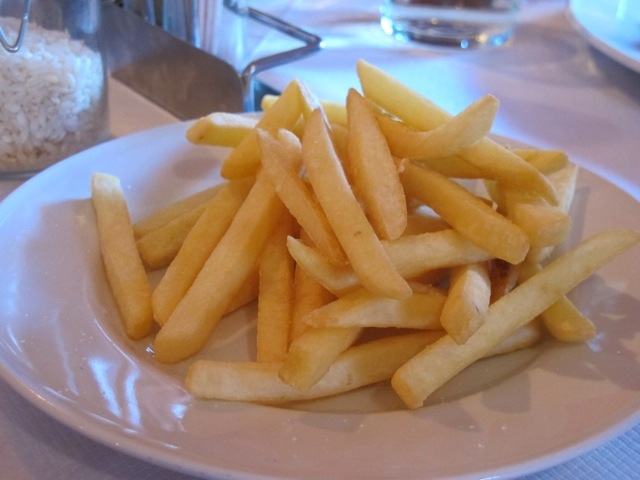
We ordered the workman’s lunch for €10 and it was excellent.

20131201-062103.jpg

20131201-062120.jpg

20131201-062133.jpg

20131201-062146.jpg

20131201-062157.jpg

The restaurant has a tradition of home style cooking and quality service. Their hand made tordelli has been mentioned a few times by those in the know, so I am going to order that next time. We saw some very delicious looking meals being delivered all around us…maybe a few visits are necessary.

20131201-062439.jpg

The summer outdoor setting had just closed when we were there. In summer it would be wonderful to sit by the lake.

Al Barchetto. Via Magenta 71

0583 75773

Our first snowfall

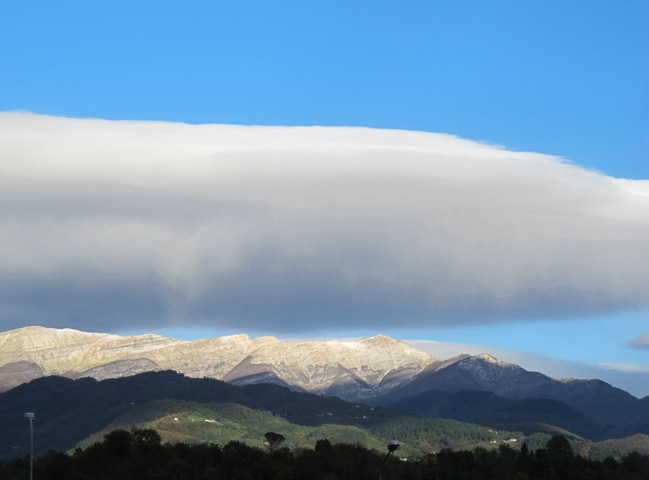
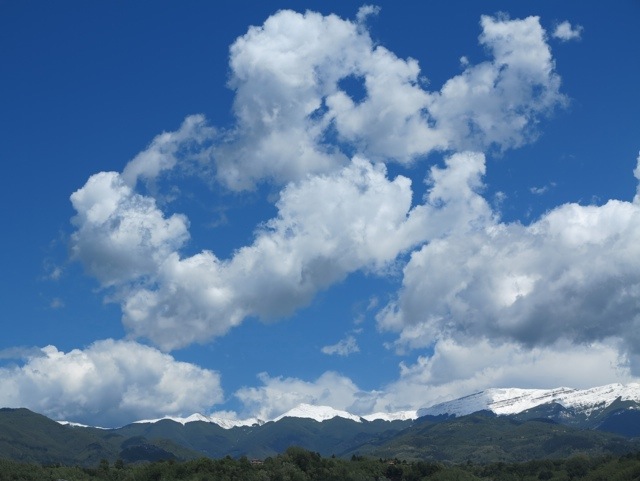
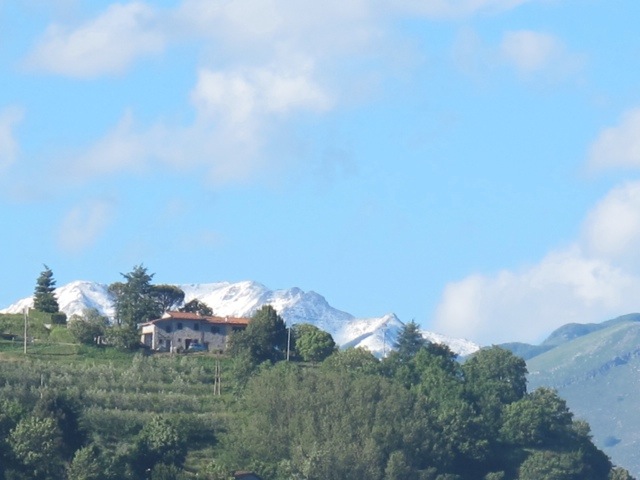
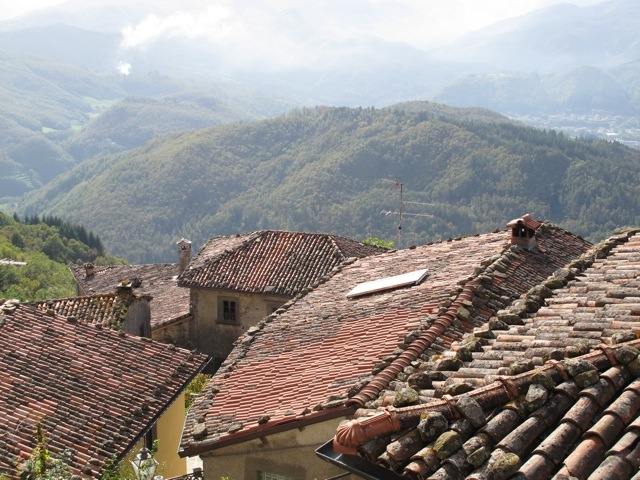
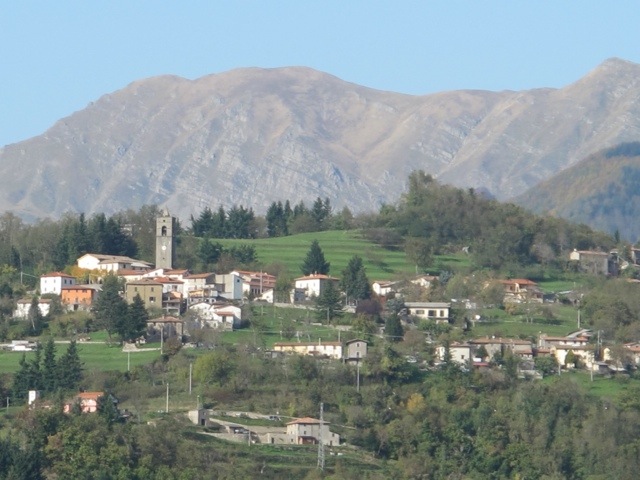
The weather has turned cold and there is a fierce wind blowing through the mountains. There have been some dramatic skies and we thought we could see a light dusting of snow on the distant mountains.

20131111-055500.jpg

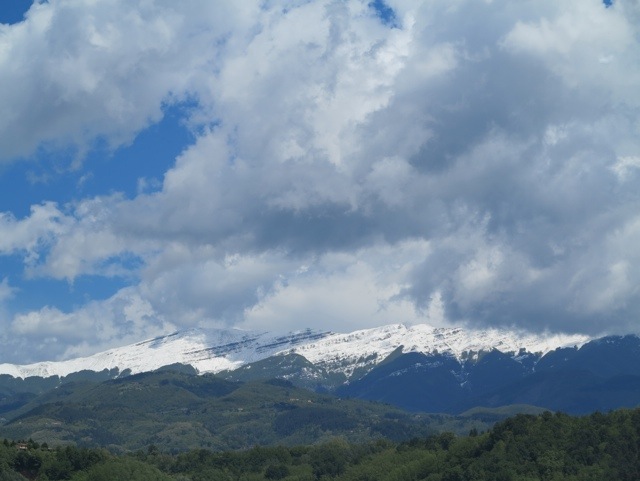
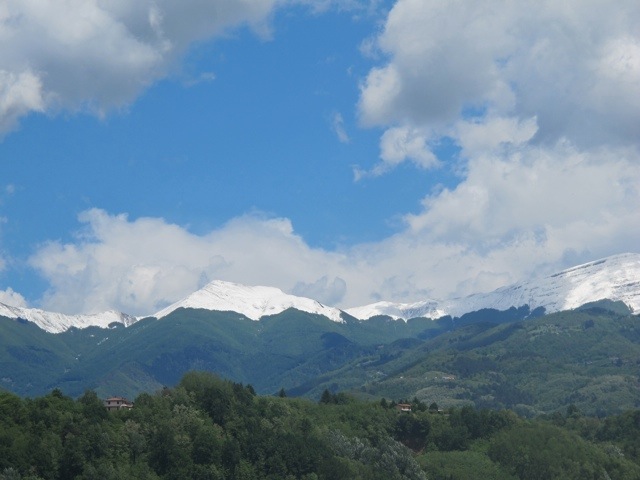
As we got closer we could clearly see snow on the top of the mountains.

20131111-055614.jpg

20131111-060355.jpg

20131111-060447.jpg

I think it is beautiful. Perhaps it will snow again tonight. It seems cold enough.

A chestnut festival… with mushrooms

20131020-070841.jpg

We recently attended the chestnut festival in Castelnuovo. It was a beautiful day and we were the first on the bus to take us from the town to the fortified area above the town where chestnuts were being roasted and crowds were beginning to gather.

20131020-070957.jpg

20131020-071041.jpg

20131020-071018.jpg

20131020-071111.jpg

20131020-071128.jpg

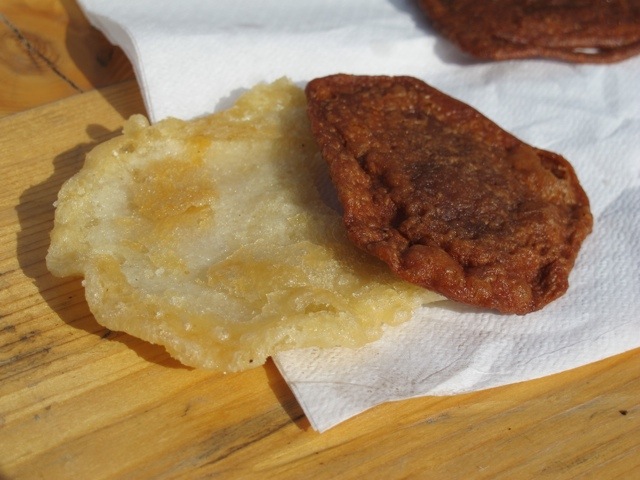
We were eager to try the roasted chestnuts and the fritelle made from both regular flour and chestnut flour. A little bonus was the warm spiced wine that came with them.

20131020-071235.jpg

20131020-071247.jpg

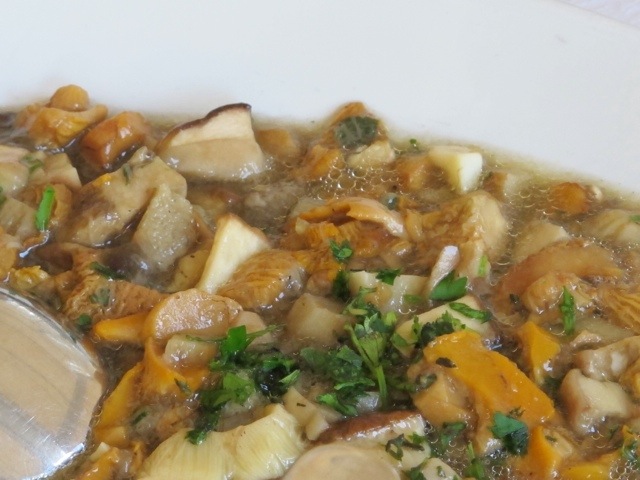
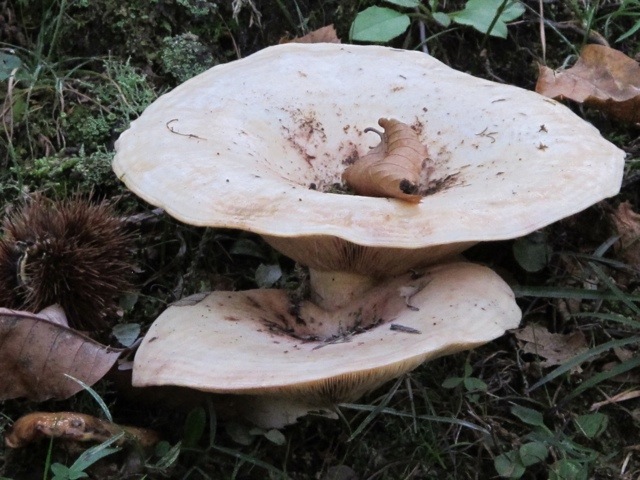
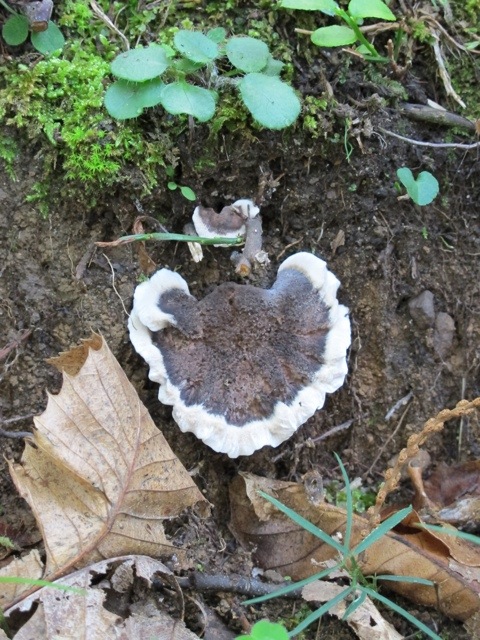
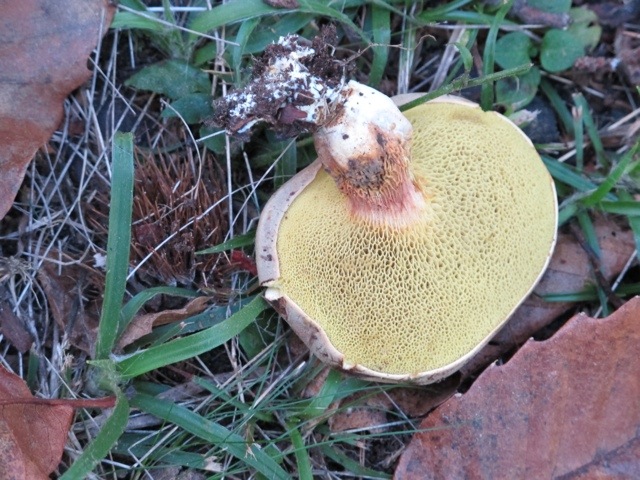
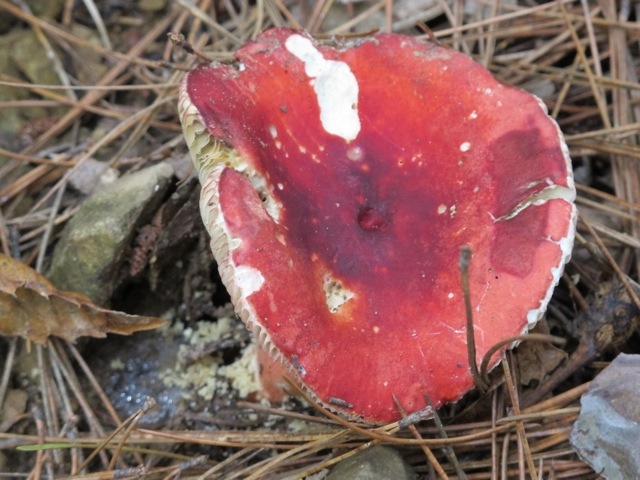
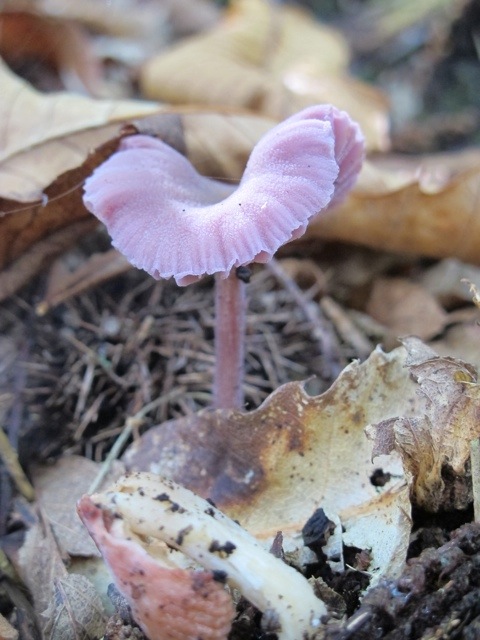
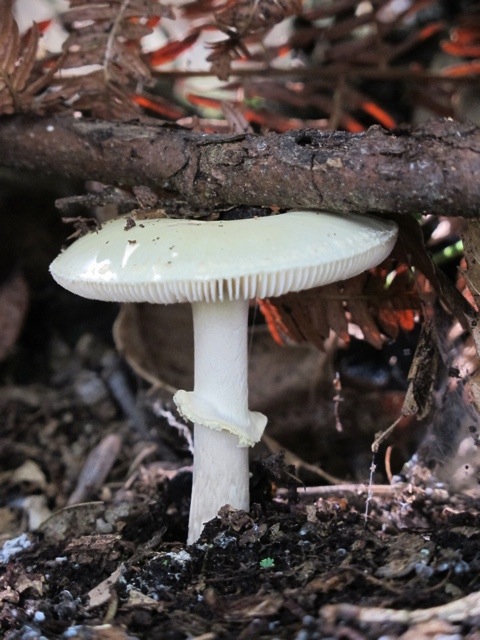
Inside the main building was a display of local mushrooms, separated into edible, edible, but they taste awful and dangerous…don’t ever eat!

Here are some of the edible ones.

These may not hurt you, but they won’t be delicious.

Don’t pick and eat anything from the next group.

It was a great display. I would never be brave enough to gather mushrooms myself. I would only go with an expert, but it was really interesting to see the collection which had been put together with much care.

There was a sculpture display as well. This one left me feeling a bit twisted.

Don’t miss these local festivals. Each one is different and lot of fun.

Evil ivy

Wherever I walk in the Bagni di Lucca and Garfagnana areas I see lovely old trees covered with ivy. Many people think this looks attractive, and while I think that ivy is a pretty plant, it is a pest when it wraps itself around trees. It eventually strangles the tree and kills it.

If the ivy is small enough and close enough I pull it off. The ivy on the tree below is now dying on the road beside the tree. I hate to see these trees destroyed.

20130205-013531.jpg

Does anyone know why more isn’t done to rid the trees of this pest?

Cucina povera…Garfagnana style

It has become fashionable to serve Cucina Povera, which roughly translates as “peasant food”. In tough times people had to do the best they could with humble ingredients (Italians are very good at this)…some they grew themselves and some they foraged for in the forests.

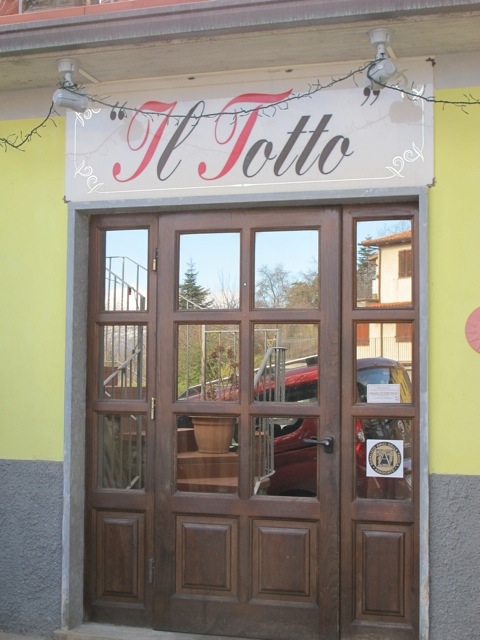
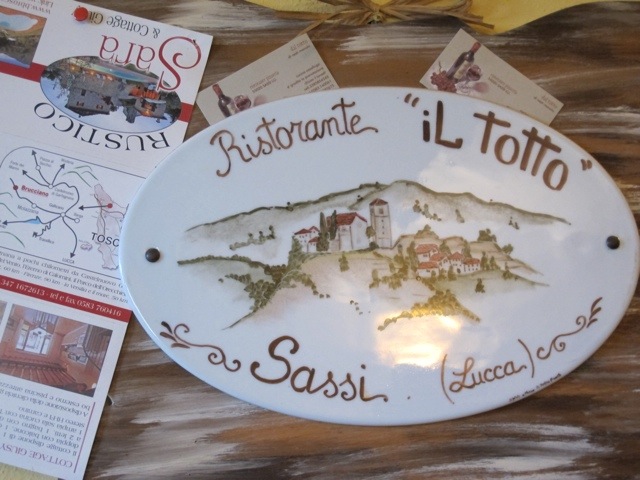
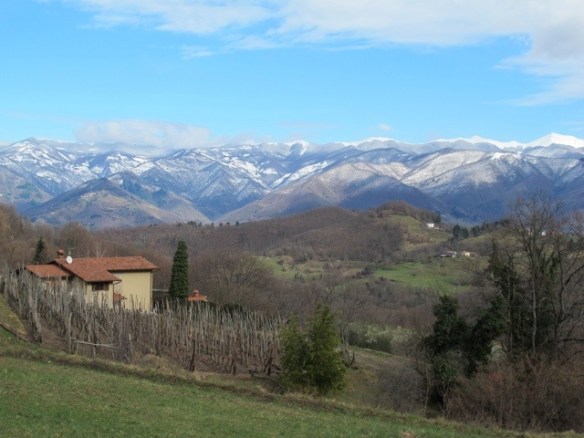
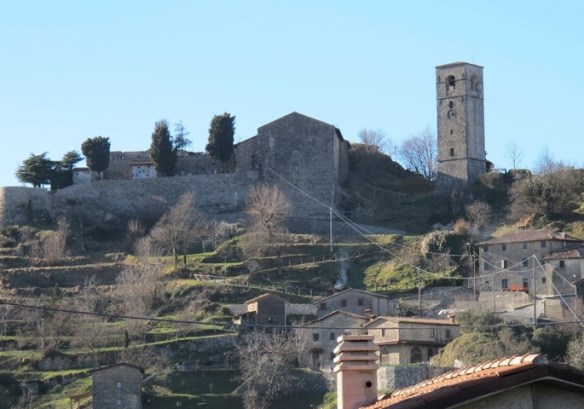
The Garfagnana area has seen some lean years in the past and the people here were very resourceful in their food preparation. On the weekend I went to the small, and very pretty village of Sassi, near Molazzana, in the mountains above the Serchio Valley to a restaurant called Il Totto, which specialises in the cucina povera of the area.
20130204-093459.jpg

20130204-093516.jpg

20130204-093538.jpg

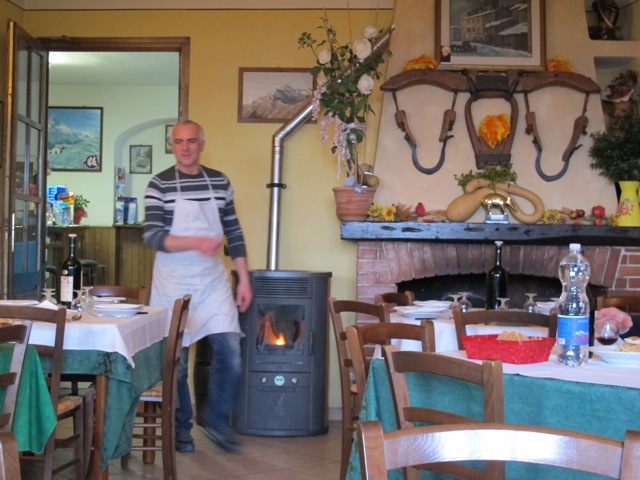
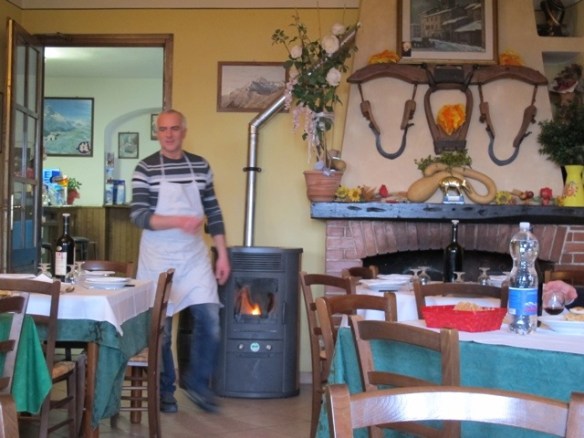
The dining room was very cosy on a cold, winter day.
20130204-093553.jpg

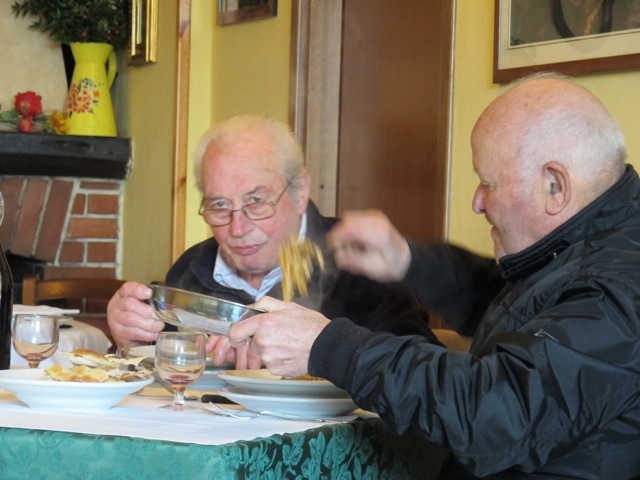
We were early, but there were a couple of diners already enthusiastically tucking in to the local delights.

20130204-093606.jpg

We began with antipasti…onions, farro, bean salad, salumi and the delicious, crisp thin bread often served in the area.

My co-eaters were at Il Totto especially for the chestnut polenta, and a platter soon arrived.

20130204-093653.jpg

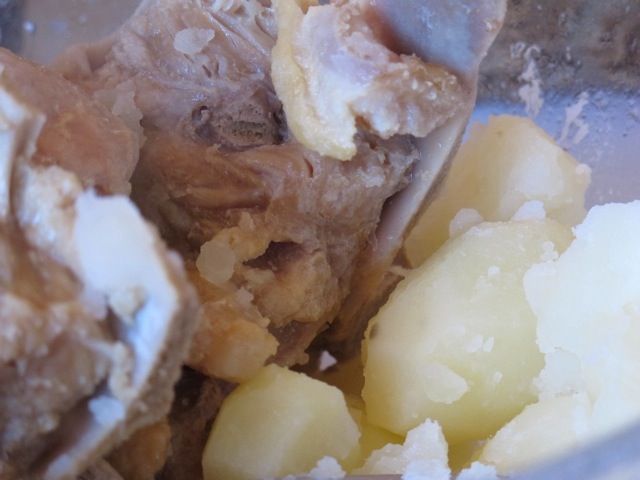
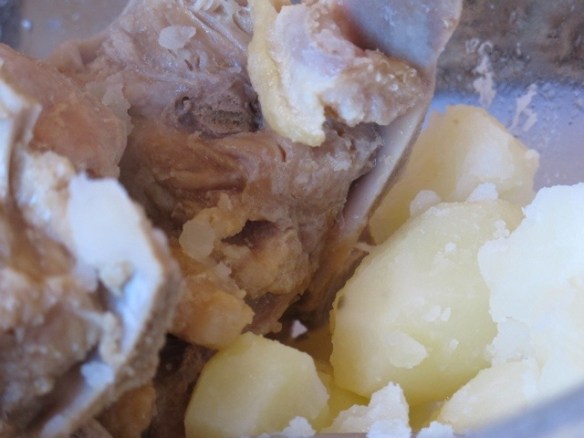
Along with the chestnut polenta came “ossi salati”, which literally translates as salted bones. Once most of the meat has been removed, pork bones are soaked in brine for several days before being boiled. It would have to be one of the least photogenic meals I have seen, but I can assure you, it was delicious.
20130204-093704.jpg

I was not, however, delighted with the chestnut polenta. My 2 friends went on to eat nearly 3 platters of it. I have decided it is an acquired taste, one I can happily spend the rest of my  life not acquiring. The old gentleman at the table beside us agreed with me. When he was a small child he had to eat it every day, and never wants to see it again.

Instead, I was served some regular polenta with cinghiale, wild boar…and it was very good.

20130204-093733.jpg

20130204-093745.jpg

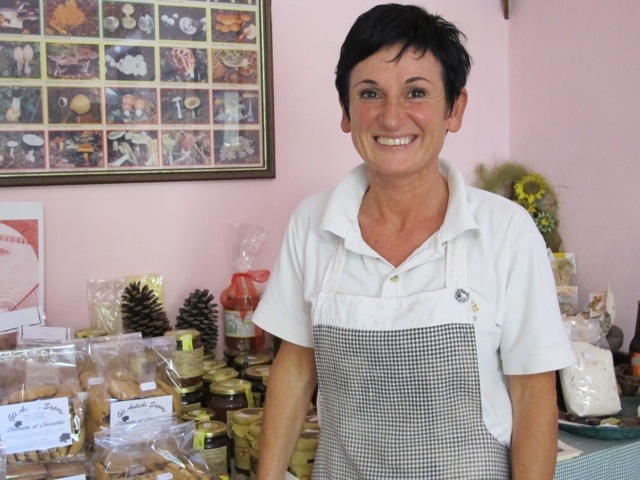
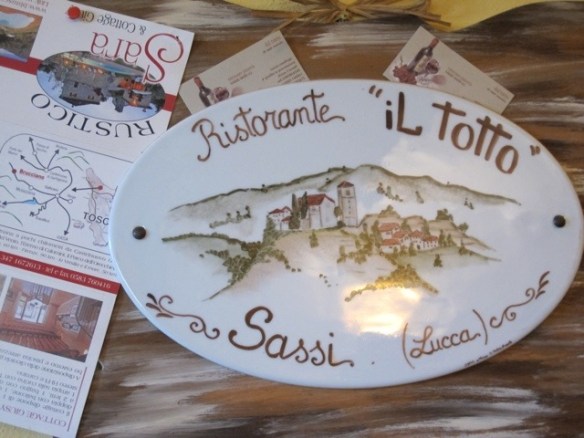
Il Totto is a delightful restaurant. The charming owner/chef, Signore Nesti, is helped by his friendly family members. It is well worth the drive on some narrow roads to get there.
20130204-093758.jpg

Telephone before you go to make sure they are open. 0583 760061 or 338 5854243

daltotto@libero.it
Lunch and a museum in the Garfagnana

On a gorgeous autumn day Heather Jarman and I went to the beautiful Garfagnana village of Sillico to have lunch at the lovely restaurant Locanda Belvedere.

20121028-112438.jpg

The chef, Roberta, cooked a delicious lunch for our group.

20121028-112533.jpg

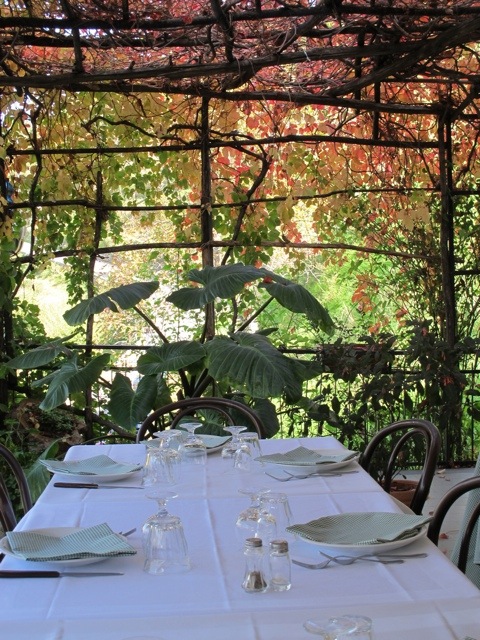
It was still warm enough to sit on then outside terrace.

20121028-120033.jpg

The different breads were made using spelt and chestnut flour.

20121028-120120.jpg

We began with a ricotta and leek torte.

20121028-120156.jpg

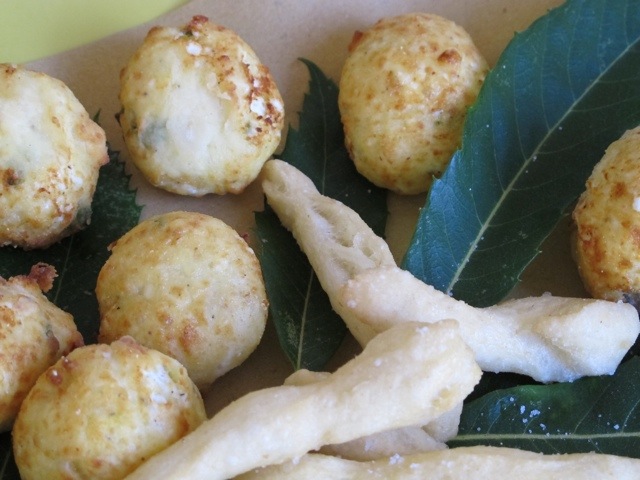
And fried ricotta balls and pasta fritta.

20121028-120240.jpg

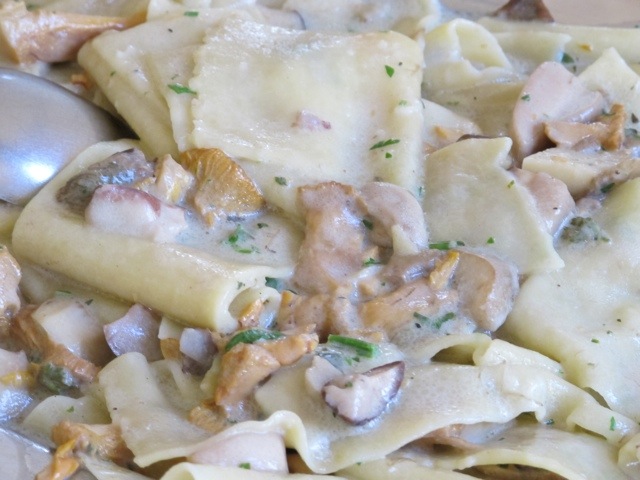
There were 2 types of pasta…..with mushrooms and a ragu.

20121028-120327.jpg

20121028-120343.jpg

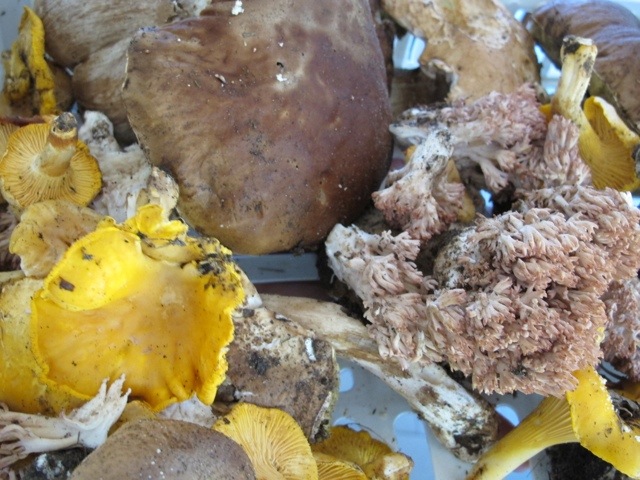
The waiter brought a tray of locally collected mushrooms for us to see.

20121028-120434.jpg

And then we ate the cooked mushrooms as a side dish with our rabbit.

20121028-120515.jpg

20121028-120528.jpg

There was a selection of crostini to have with our coffee.

20121028-120616.jpg

We then headed up the hill to see some of Sillico and to find the museum which was kindly opened just for us.

20121028-120734.jpg

20121028-120804.jpg

20121028-120819.jpg

20121028-120835.jpg

20121028-120848.jpg

20121028-120908.jpg

20121028-120927.jpg

20121028-120946.jpg

20121028-121001.jpg

20121028-121025.jpg

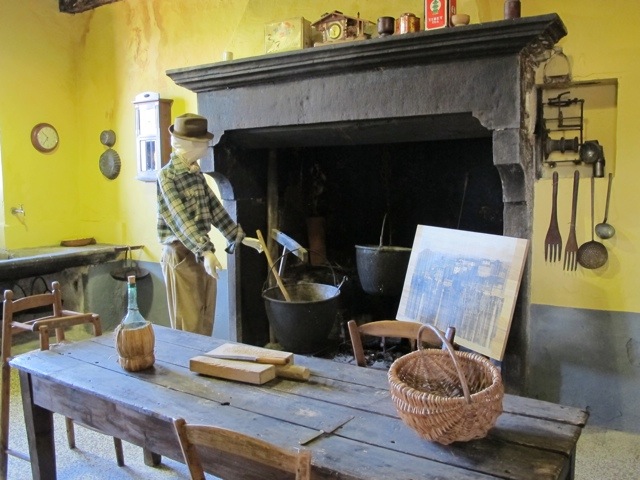
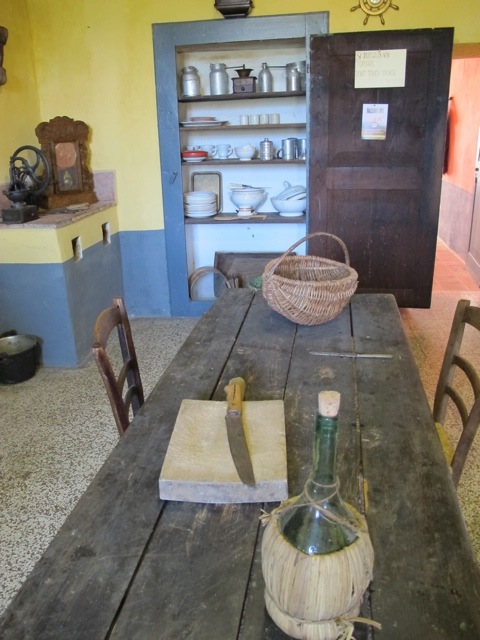
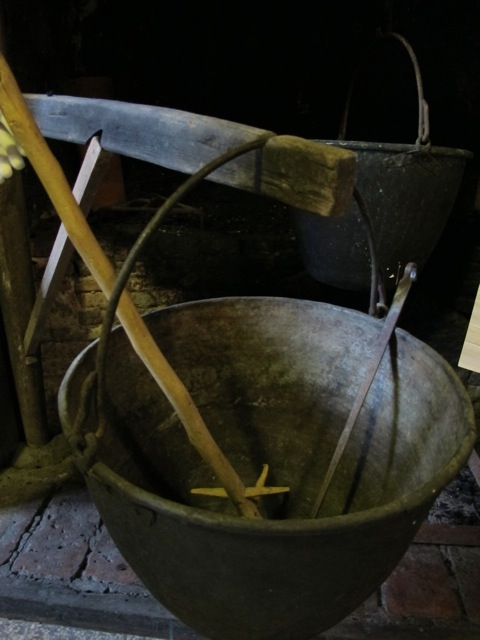
The museum is in a building beside the church and is full of interesting collections from the distant and not so distant past.

20121028-121128.jpg

20121028-121142.jpg

20121028-121152.jpg

20121028-121204.jpg

20121028-121217.jpg

20121028-121229.jpg

20121028-121241.jpg

20121028-121259.jpg

20121028-121312.jpg

20121028-121324.jpg

20121028-121335.jpg

20121028-121355.jpg

20121028-121415.jpg

20121028-121428.jpg

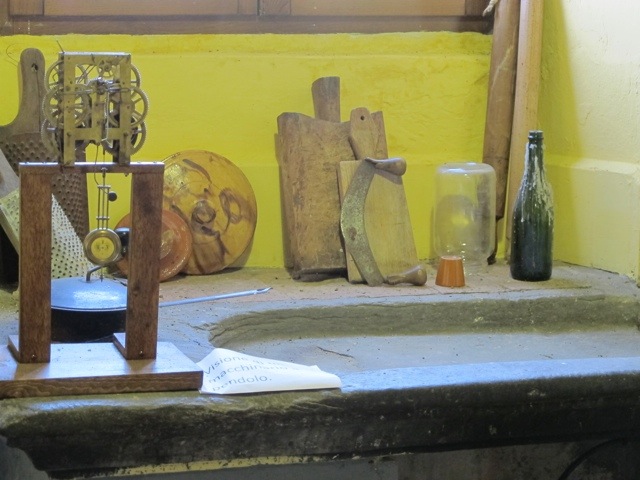
There is an enormous collection of clocks, including this replica of one designed by Leonardo da Vinci.

20121028-121516.jpg

20121028-121532.jpg

Then is was time to stand at the top of the village to admire the view over the Garfagana.

20121028-121630.jpg

You will need to book at Locanda Belvedere…..call Roberta or Clara……(39) 0583 662173

sapori-e-saperi.com

Making necci

Chestnuts have been an important part of the diet in the Appenine and Apuan regions in northern Tuscany for centuries. Particularly in times of war and famine, chestnuts saved people from starvation.

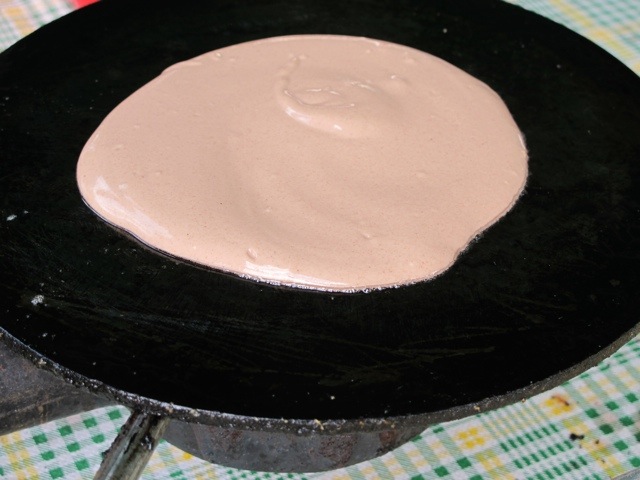
Necci are a type of pancake made from chestnut flour. They are simply made by mixing chestnut flour with water (250 grams of flour to 1 cup water). The batter is mixed until smooth and slightly thicker than a normal crepe batter.

Each area has a slightly different recipe. Sometimes a little oil and salt is added, or rosemary.

There are several ways to cook the necci. At a couple of chestnut festivals I have seen them cooked between 2 cast iron discs with long handles over a flame. A little olive oil is placed on the flat disc and spread with a potato cut in half, then a small quantity of batter is placed on the disc and spread thinly, and the other disc is put on top. It isn’t as easy as it sounds, you need just the right amount of oil and heat or the pancake sticks to the disc and makes a horrible mess.

20121212-090557.jpg

20121212-090621.jpg

20121212-090636.jpg

20121212-090718.jpg

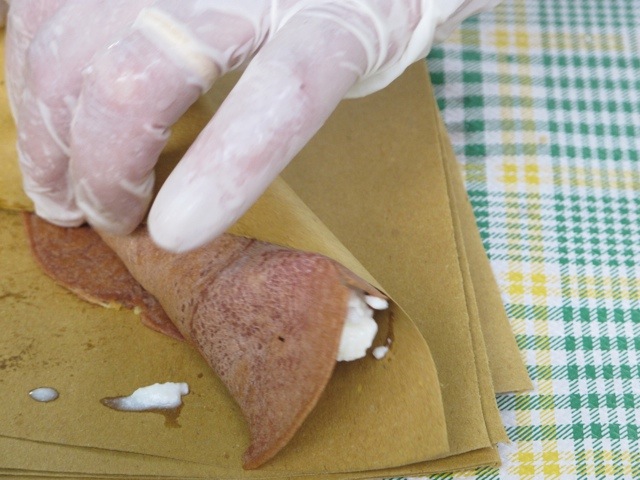
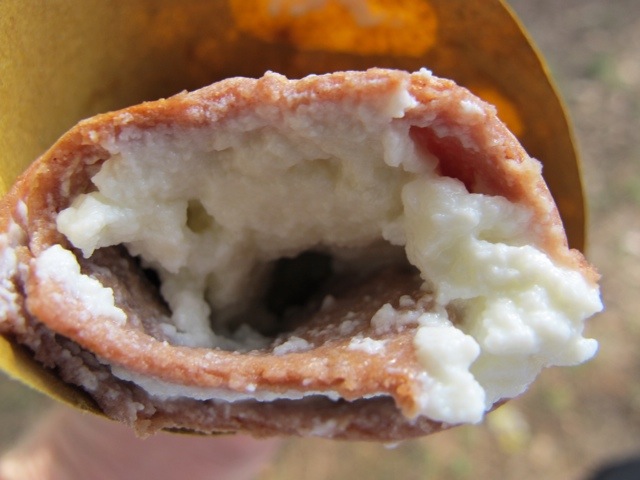
Once browned on both side they are spread with ricotta or nutella and rolled up…and eaten.

20121212-090832.jpg

20121212-090846.jpg

20121212-090857.jpg

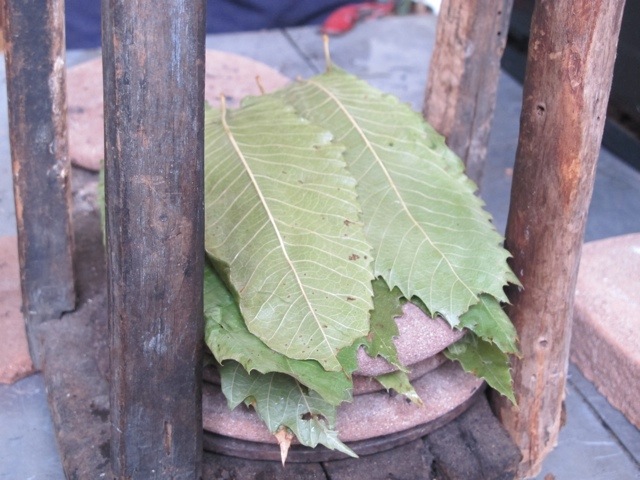
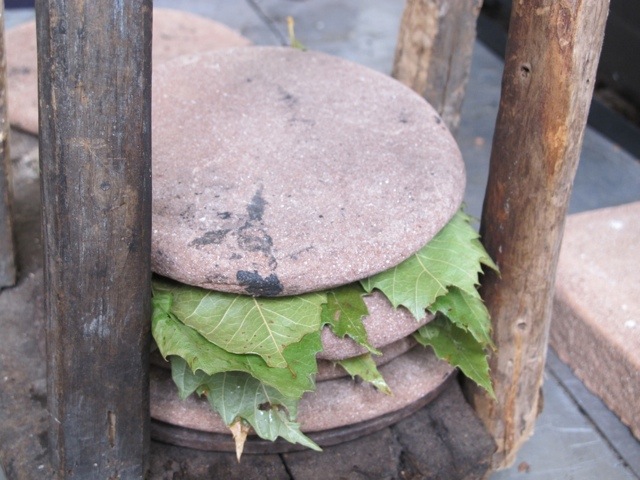
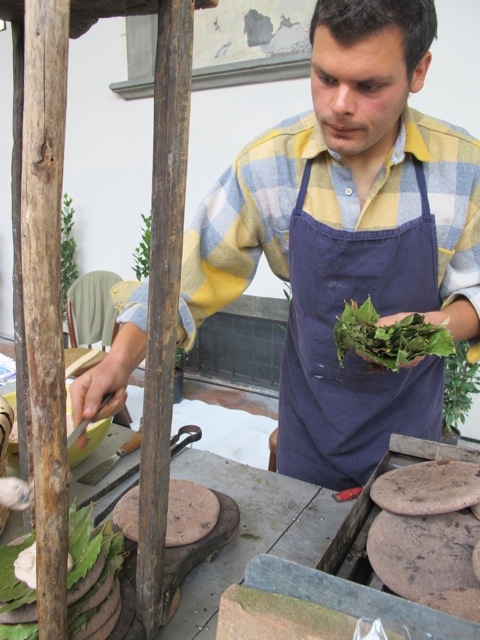
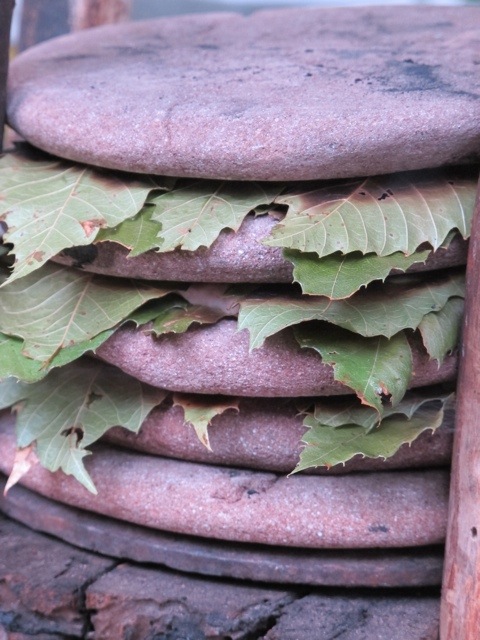
At a food festival in Lucca we saw a very interesting way of cooking necci. The batter was placed on hot, flat stones covered with chestnut leaves and stacked on top of each other.

20121212-091247.jpg

20121212-091301.jpg

20121212-091322.jpg

20121212-091333.jpg

20121212-091352.jpg

20121212-091406.jpg

20121212-091419.jpg

This method also proved to be effective, and delicious.

Look for necci at food festivals in the area, or if you are in Lucca, go to Via Buia and look for Pizza da Felice where you can buy necci, along with delicious pizza and cecina, the chickpea pancakes popular in the area.

Click here to see a gorgeous chestnut festival in Colognora and here for an equally fabulous one in Lupinaia.

Bruno’s chestnuts

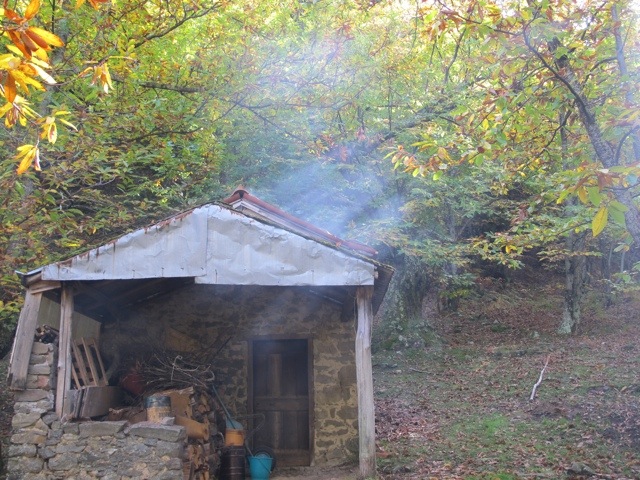
Autumn is chestnut gathering time in the Garfagnana. I went with Heather from Sapori-e-Saperi to visit the chestnut forest and metato (drying hut) belonging to Bruno Bertoncini in the Garfagnana, the mountain area near Bagni di Lucca.

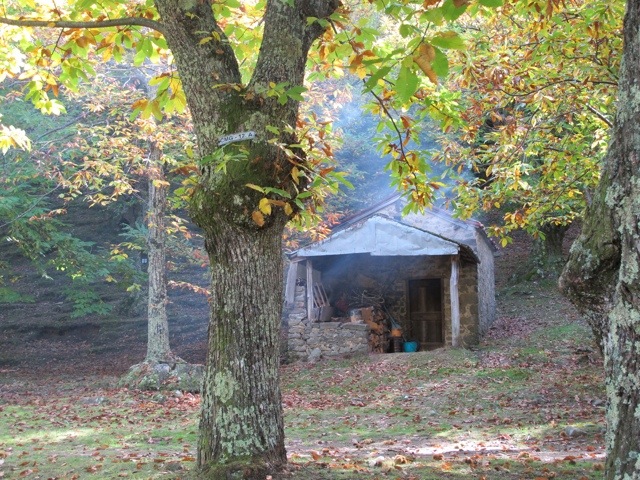
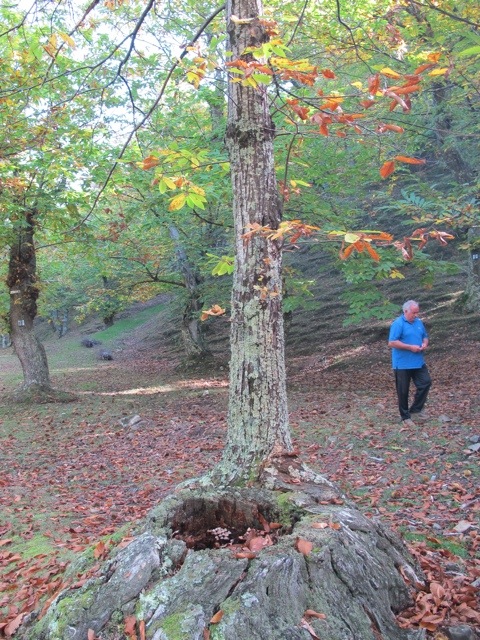
Bruno’s chestnut forest is beautiful, and it shows what the cultivated chestnut forest looked like. These days they are mostly wild and not cleared as they used to be. Obviously if the trees are cared for they will give better chestnuts.

20121027-110757.jpg

20121027-110847.jpg

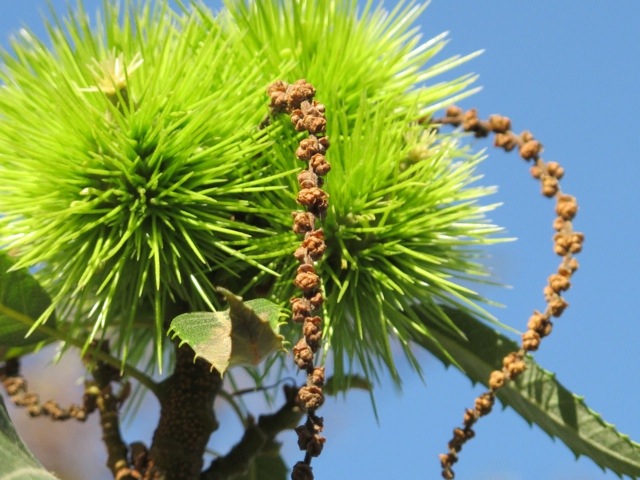
It has been a difficult growing season this year. Some of Bruno’s trees have blossomed 3 times instead of just once, as they should.

20121027-111105.jpg

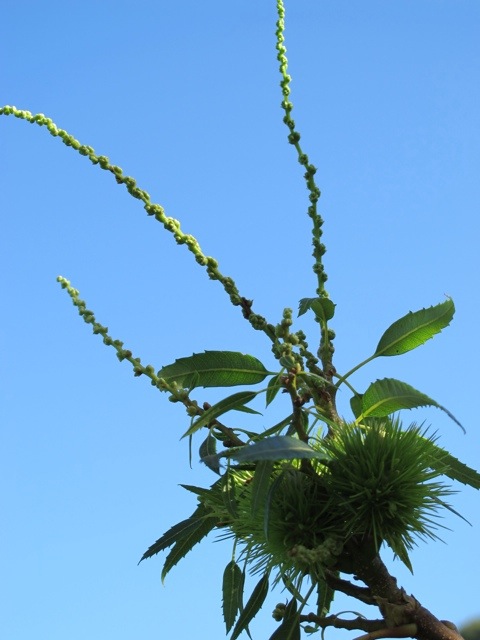
This tree has new growth and flowers at a time when the fruit should be ripe….strange.

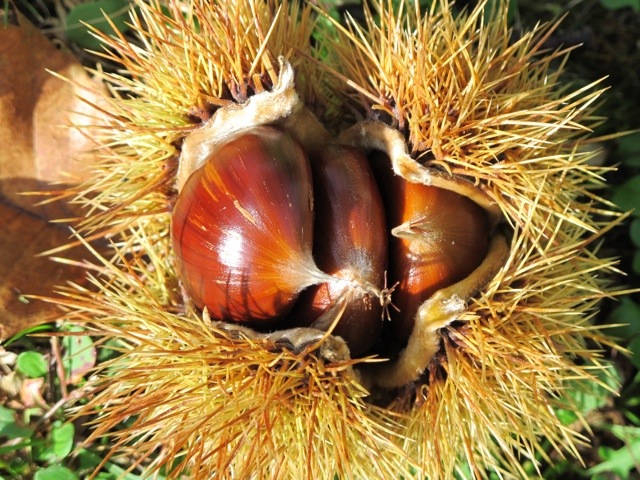
There are many types of chestnuts, some are better for flour, some have better keeping qualities and some are good for roasting.

20121027-111247.jpg

20121027-111302.jpg

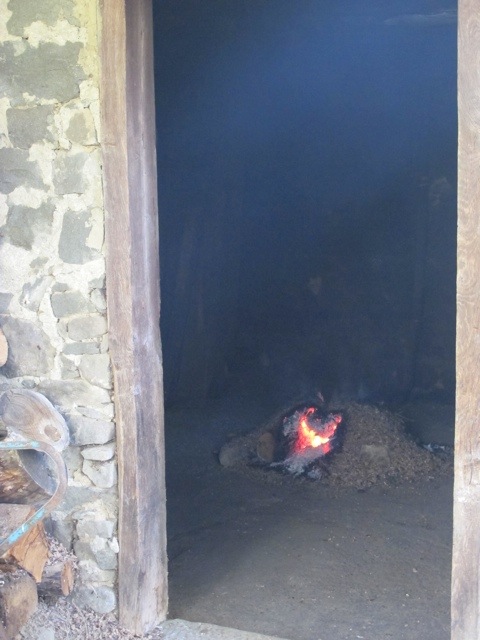
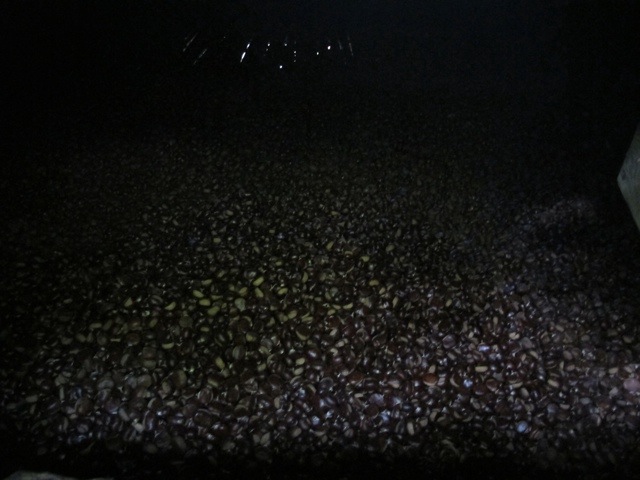
Before chestnuts can be ground to make flour they need to be dried. Bruno has a gorgeous metato which was busy drying chestnuts when we arrived. The nuts are dried for about 40 days. The fire has to be kept burning at just the right temperature for all this time.

20121027-111531.jpg

20121027-111649.jpg

20121027-111712.jpg

20121027-111815.jpg

The fire burns on the ground floor of the hut and the chestnuts are above the fire on a slatted floor.

20121027-111912.jpg

The delightful Bruno told us lots of interesting things about chestnuts. He is a man who clearly enjoys his work.

20121027-112018.jpg

The trees are pruned regularly. Here is a tree which has been pruned and has regrown.

20121027-112200.jpg

I think Bruno has a delightful office. I’m sure the work is not easy, but imagine going to work here each day.

20121027-112446.jpg

20121027-112758.jpg

20121027-112820.jpg

20121027-112900.jpg

Bruno has a wonderful agriturismo called Collettino, near his chestnut forest where guests can stay in comfort and immerse themselves in this beautiful area.

www.collettino.it

www.sapori-e-saperi.com

And now for a few more chestnut photos.

20121028-123719.jpg

20121028-123757.jpg

20121028-123904.jpg

20121028-124046.jpg

20121028-124100.jpg