Festa Della Primavera in San Cassiano

This little festa in San Cassiano is, I suspect, an excuse to eat frittelle for S. Giuseppe’s day. I can see no better reason to have a celebration.

20120325-072015.jpg

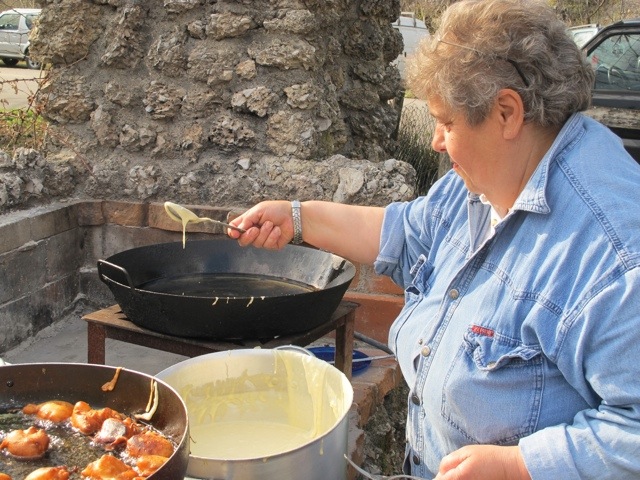
The afternoon was slightly overcast, but that didn’t stop the villagers gathering at the park above the town to get together, have a chat and eat some frittelle. Luciana was chief cook.

20120325-072216.jpg

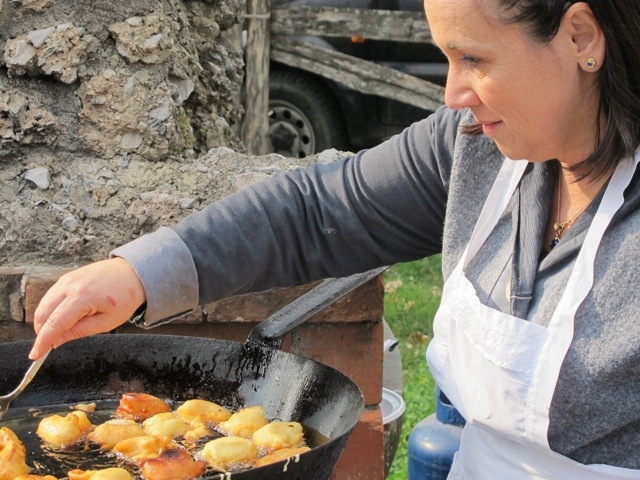
She told me there were 4 kilos of flour, 1 kilo of sugar, milk and yeast in her batter. She was ably assisted by Mila.

20120325-072346.jpg

Jim tested the frittelle, decided they were excellent and ate 4, with a cup of sangria to help them along.

20120325-072531.jpg

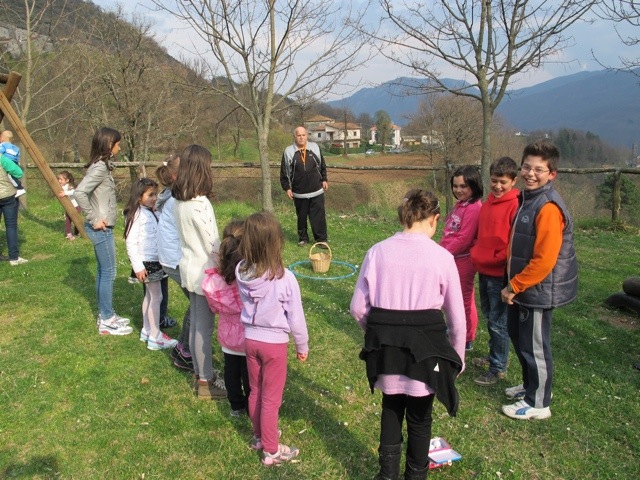
The village children had fun as well.

20120325-072614.jpg

20120326-081441.jpg

I wonder if they ever get tired of the dramatic landscape here.

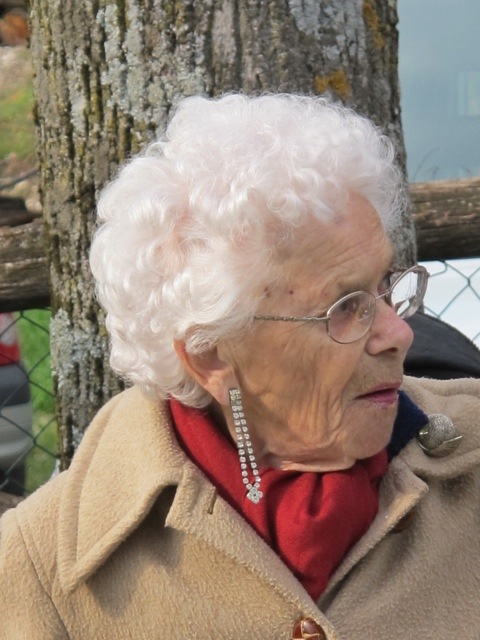
I was most impressed with the earrings on one of the festival participants.

20120326-081629.jpg

I think I need a pair.

San Cassiano is about 10 minutes from La Villa on the road towards Montefegatesi. The whole area is beautiful and dotted with pretty villages.

Renzo and the dog with no name

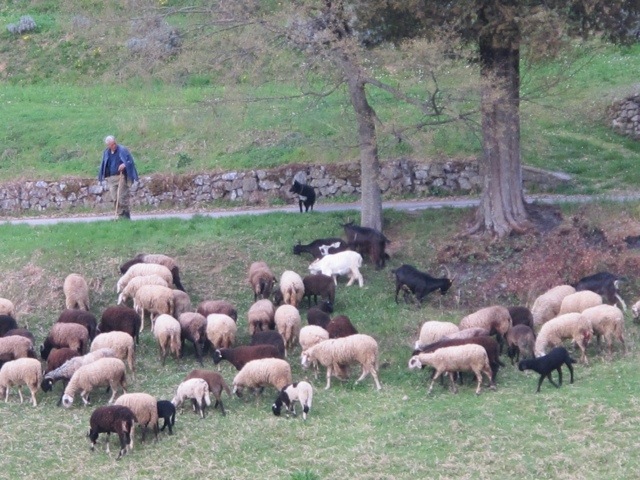
As we were driving into Guzzano, a tiny hamlet which is part of the area of Bagni di Lucca called Controneria, we spotted a shepherd watching his flock of sheep and goats. His trusty dog was on guard to make sure that none escaped. None tried, the new spring grass was keeping them busy.

We parked the car and walked back to talk to the shepherd whose name was Renzo.

20120326-082606.jpg

20120326-082631.jpg

Renzo told us that he lives in nearby San Cassiano and likes to bring his animals down the mountain along one of the old tracks to feed. Guzzano residents are happy with the arrangement as it means they don’t have to mow the grass.

20120326-083046.jpg

20120326-083114.jpg

20120326-083139.jpg

20120326-083157.jpg

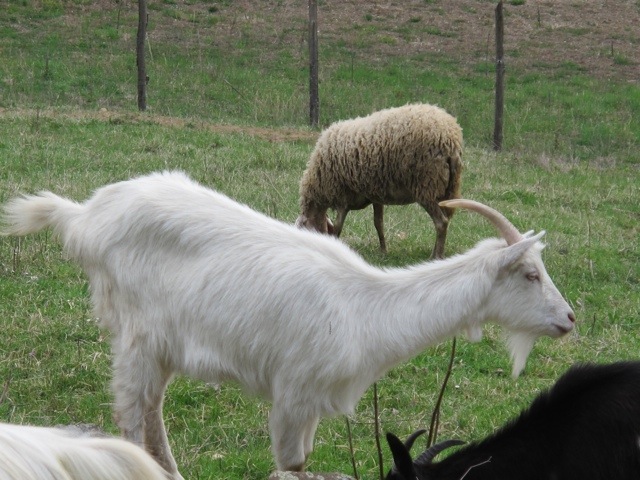
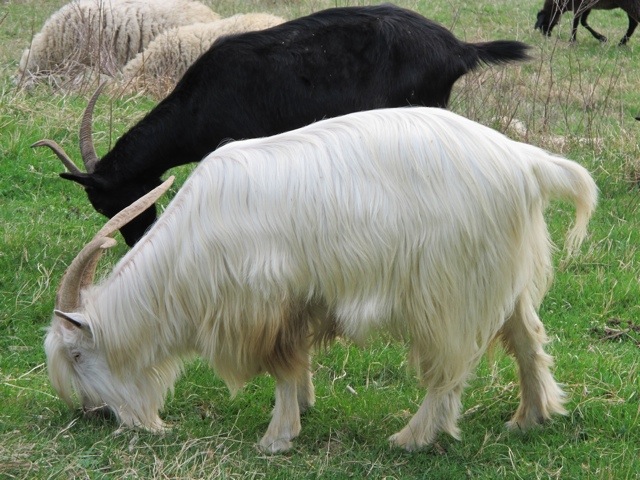
Renzo’s animals are beautifully cared for. That white billy goat looks as though he has been brushed.

When I asked the dog’s name Renzo just shrugged. The dog is very young and inexperienced, perhaps he has to earn his name.

Being a shepherd must be good for you. Renzo is a fine looking man in excellent condition.

20120326-083637.jpg

I tried really hard to get him to smile for the camera. He has the most delightful smile.

As we wandered around to the other side of Guzzano we saw the little group head back up the mountain.

20120326-083806.jpg

20120326-083826.jpg

I hope there are young people prepared to keep these pastimes alive.

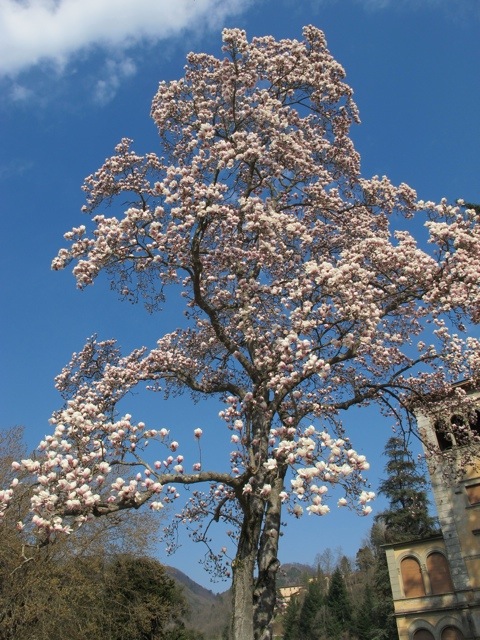
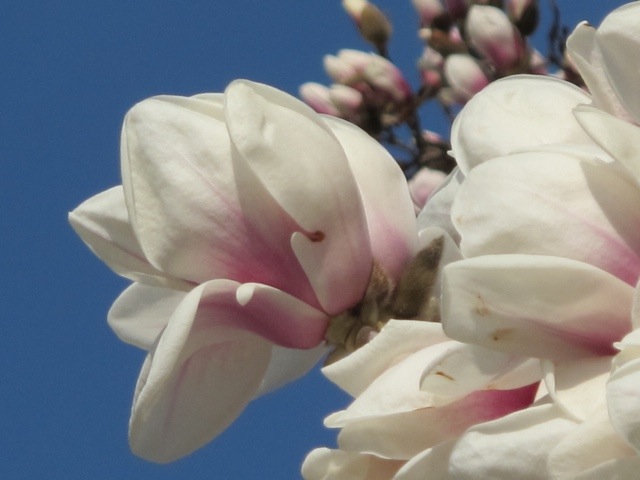
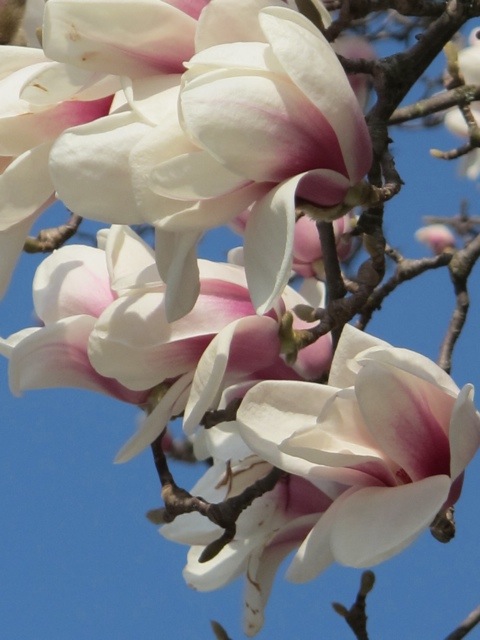
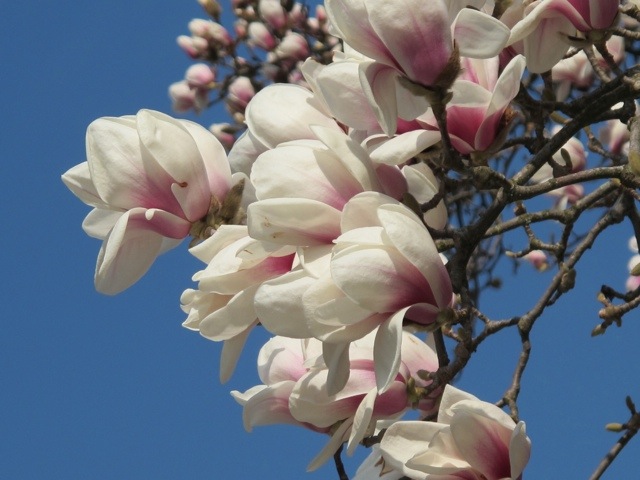
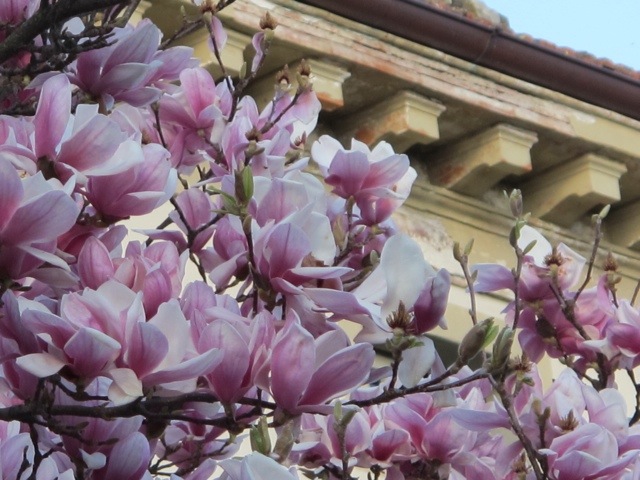
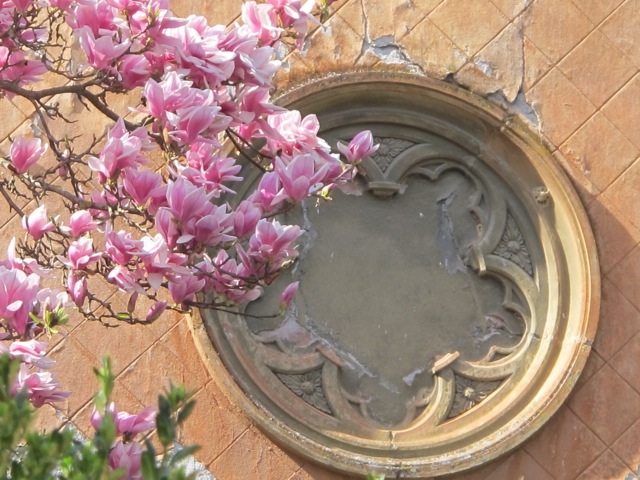
It’s magnolia time in Bagni di Lucca.

The magnolia trees are covered with flowers now. It only lasts a couple of weeks.

20120318-084325.jpg

20120318-084341.jpg

20120318-084357.jpg

20120318-084408.jpg

20120318-084426.jpg

20120318-084447.jpg

20120318-084506.jpg

20120318-084523.jpg

20120318-084613.jpg

20120324-013958.jpg

20120324-014044.jpg

Local Information….

Sunday 25th March at 4.00pm is the Festa Della Primavera (spring festival) in San Cassiano

Sunday 1st April is the group walk that starts in Fornoli. You can walk 2, 4, 8, 12, 20 or 25 kilometres. Check in at 7.15am and the walk begins between 8.00am and 9.00am. Cost €2.50

Sunday 15th April at 5.30pm is a concert at Teatro Academico. Cost €10. Book at the library.

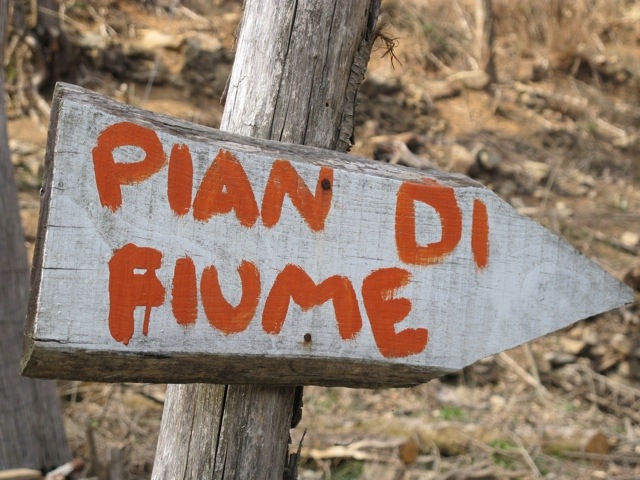
Pian di Fiume, an agriturismo in Bagni di Lucca

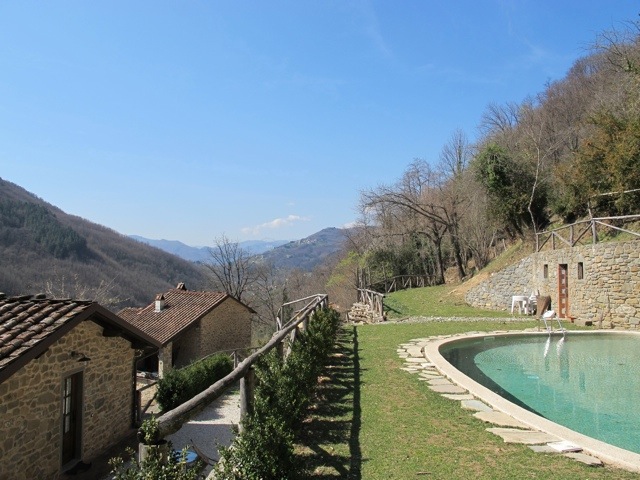
The Agriturismo Pian di Fiume takes its name from the medieval hamlet which has been lovingly restored and brought back to life. Guests now stay in the old houses that made up the tiny village.

Pian di Fiume is 2 kilometres from La Villa, the commercial centre of Bagni di Lucca. Take the road towards Abetone and look for the bridge on the left side of the road.

20120321-050416.jpg

20120321-050442.jpg

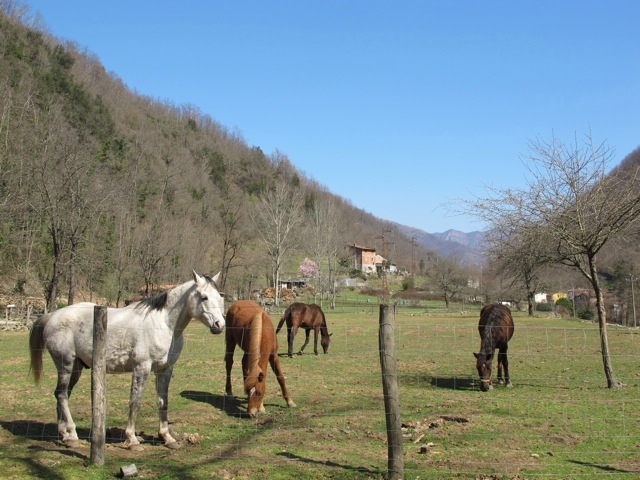
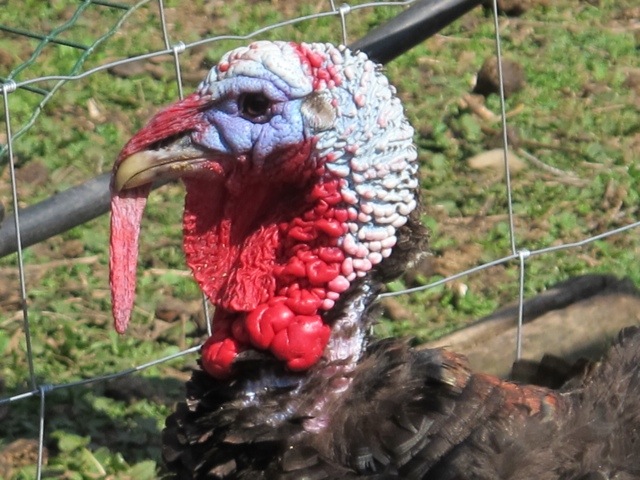
The agriturismo sits lazily beside the Lima River. At the river level there is a flat plain where the animals are kept. There are chickens, turkeys, horses, sheep, goats and a herd of cinta senese pigs, the semi wild pigs that feed on acorns and chestnuts. They also keep bees and the honey they produce is for sale.

20120321-050710.jpg

20120321-050841.jpg

20120321-050858.jpg

20120321-051010.jpg

20120321-051027.jpg

20120321-051049.jpg

Surely a face that only a mother could love.

Up a very steep dirt road is the restaurant, accommodation and pool.

20120321-051433.jpg

20120321-051501.jpg

20120321-051519.jpg

20120321-051542.jpg

The setting is lovely.

20120321-051610.jpg

20120321-051700.jpg

20120321-051715.jpg

20120321-051736.jpg

20120321-051751.jpg

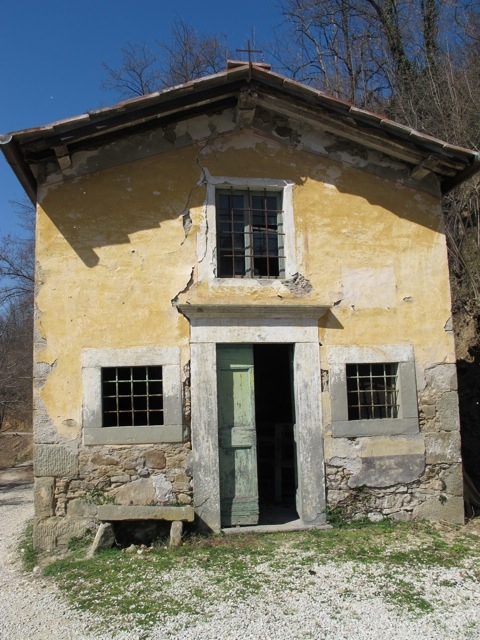
There is a tiny church from the original village.

20120321-051840.jpg

20120321-051858.jpg

20120321-051913.jpg

20120321-051925.jpg

Even though we arrived unannounced, Daniela made us a delicious lunch.

20120321-052050.jpg

20120321-052105.jpg

20120321-052127.jpg

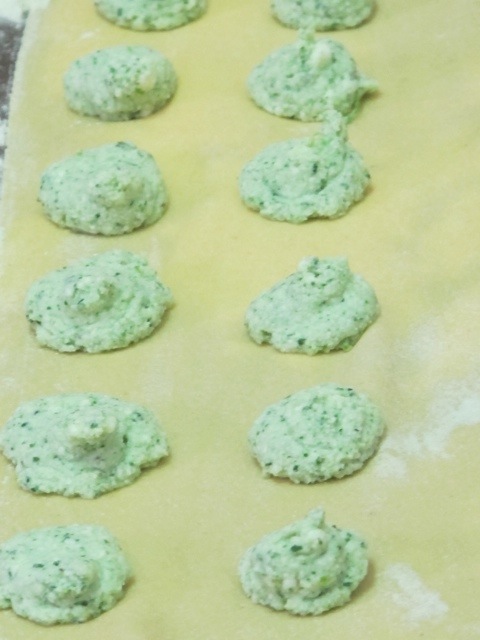
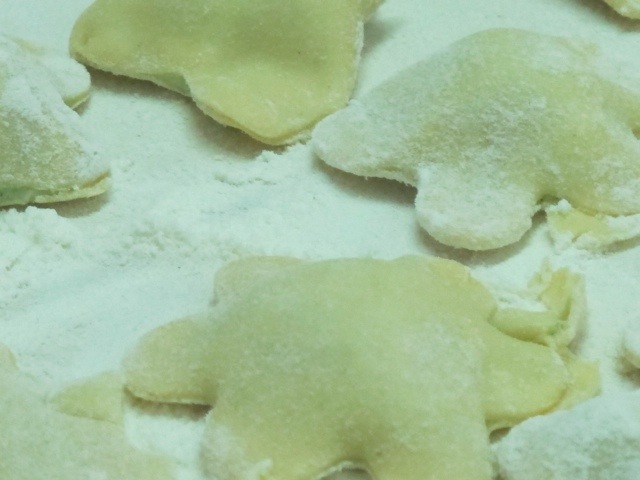
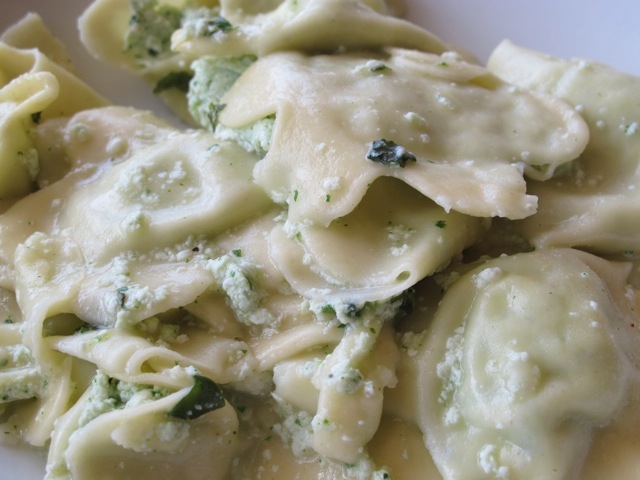
Flower shaped ravioli made by Daniela.

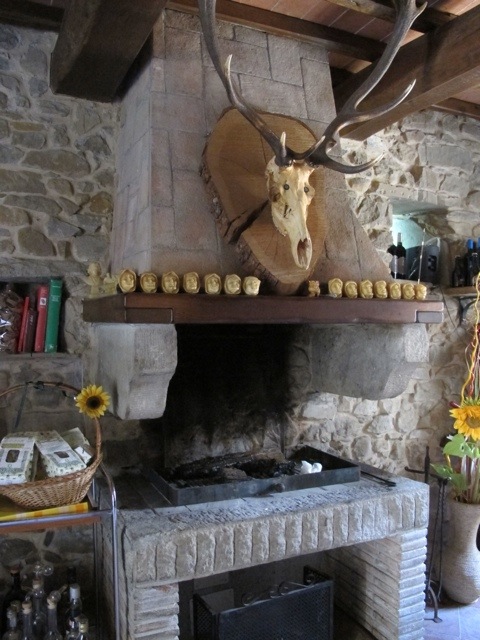
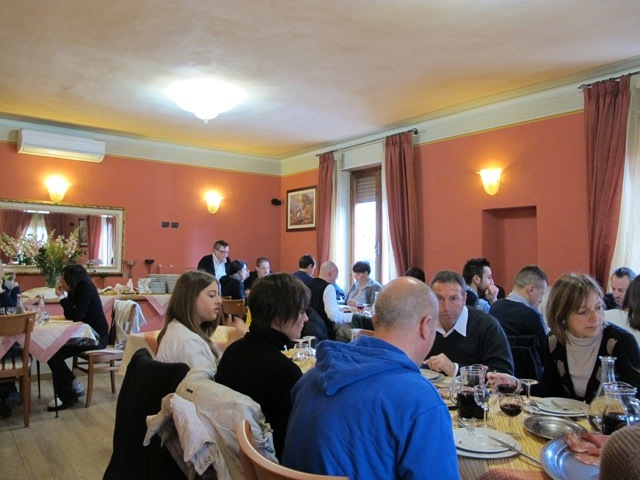
There is a lovely dining room.

20120321-052233.jpg

20120321-052254.jpg

But we chose to eat on the outside terrace with a view over the valley.

20120321-052440.jpg

20120321-052527.jpg

20120321-052547.jpg

20120321-052604.jpg

20120321-052620.jpg

Thank you Daniela for our lovely lunch.

20120321-052704.jpg

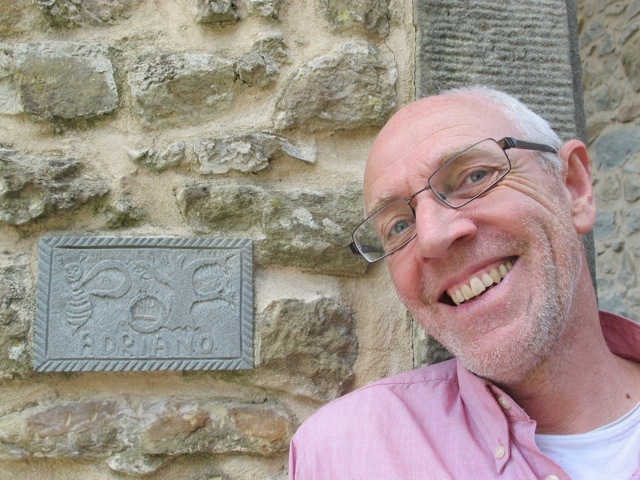
On the way out we spotted a little plaque with Adriano’s name on it. He felt the need to pose beside it.

20120321-052945.jpg

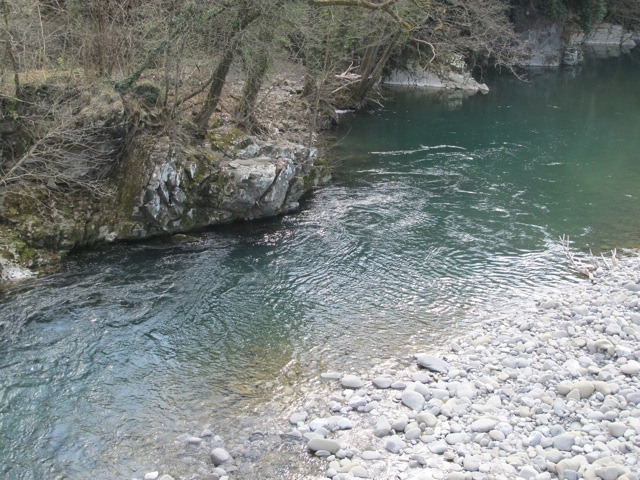
In summer the river is a great place to swim.

20120321-053039.jpg

Perhaps you will be joined by the cinta senese who like to drink there.

20120321-053128.jpg

www.piandifiume.it

info@piandifiume.it

39 0583 805751

A visit to San Cassiano di Controne

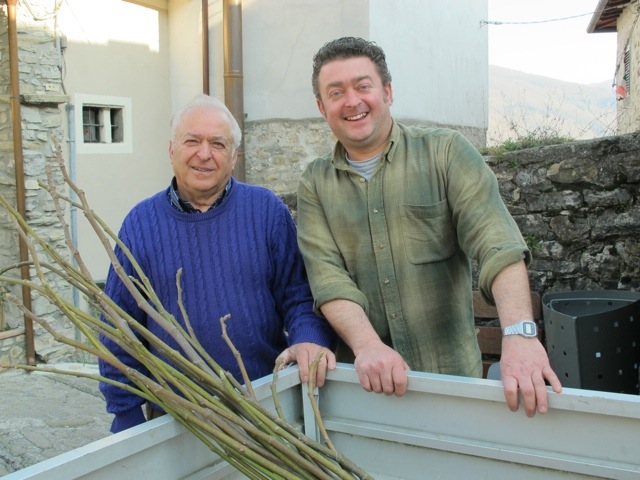
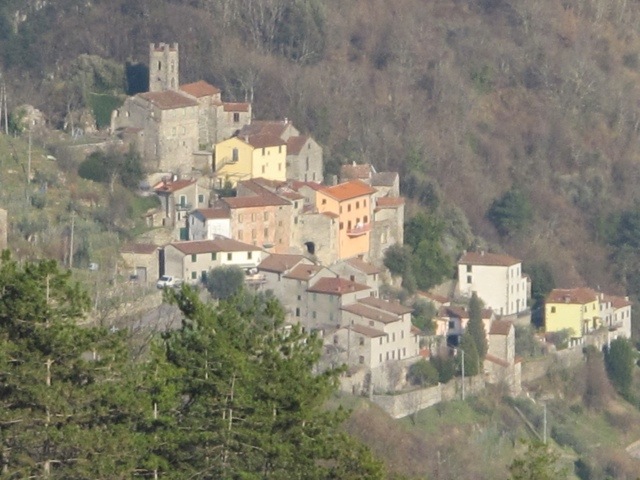
The hamlets that make up San Cassiano were once quite highly populated, but like many of the villages of Bagni di Lucca, it is now a quiet place. We parked the car at the bottom of the village and walked up towards the church and the main square. Along the way we met Arnoldo and his son Fabio who had been collecting fig cuttings to plant.

20120316-014257.jpg

Arnoldo speaks good English as a result of living in America for 15 years. He came back to his home in San Cassiano in 1971 and has lived here ever since. You can’t blame him, the village is lovely. It sits high on the hill with sunshine all day and spectacular views all around.

He told us that there were 7 parts to San Cassiano. The village will obviously require several visits.

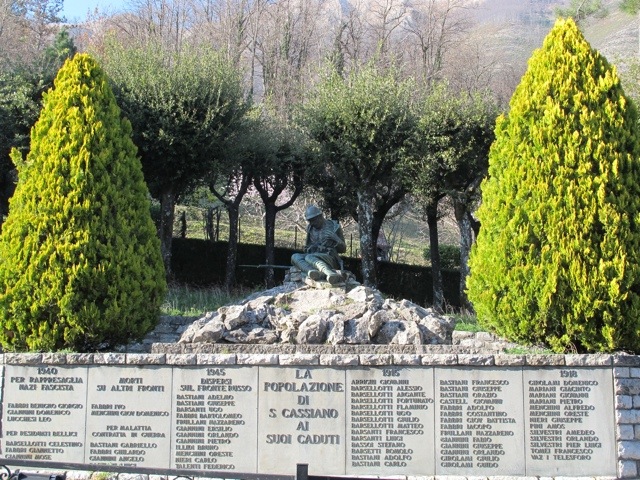
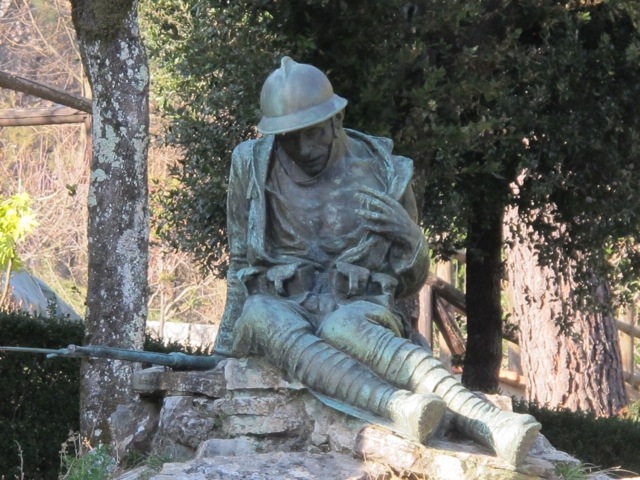
We walked past the War Memorial with the lists of the town’s men who have died in several wars. The list is too long.

20120316-015237.jpg

20120316-015007.jpg

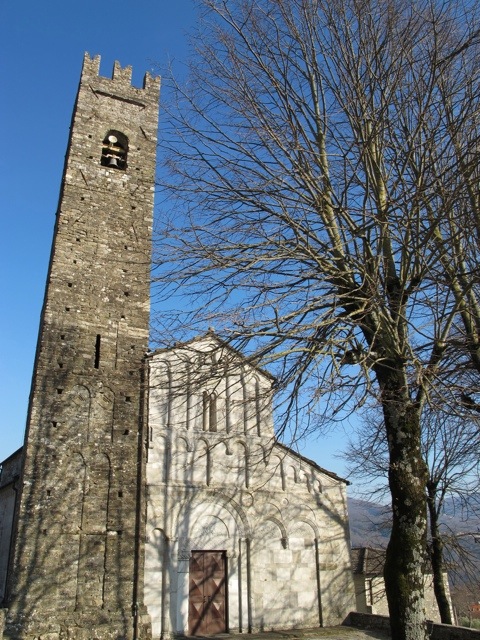
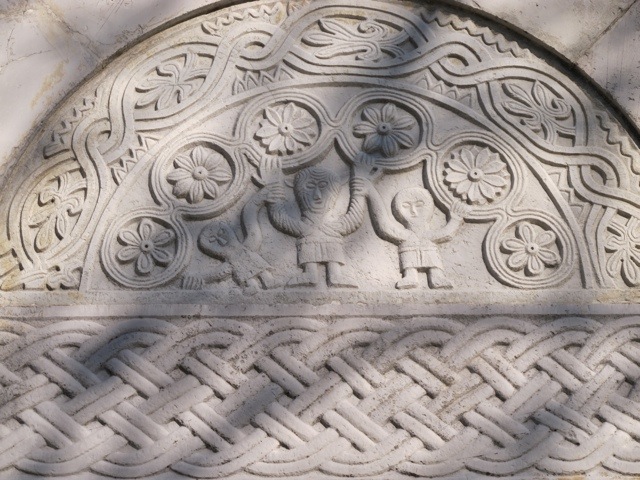
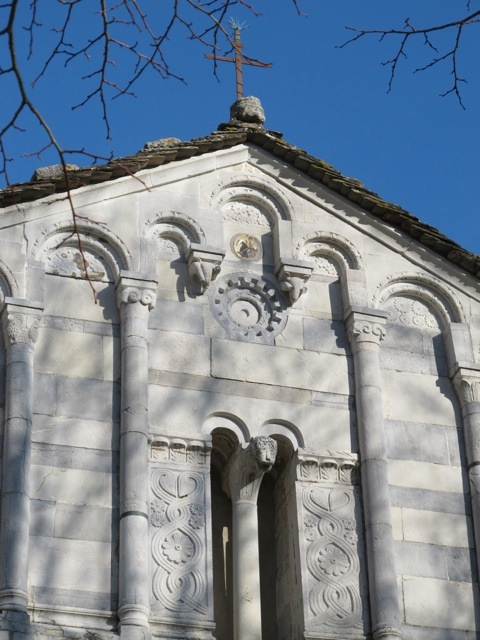
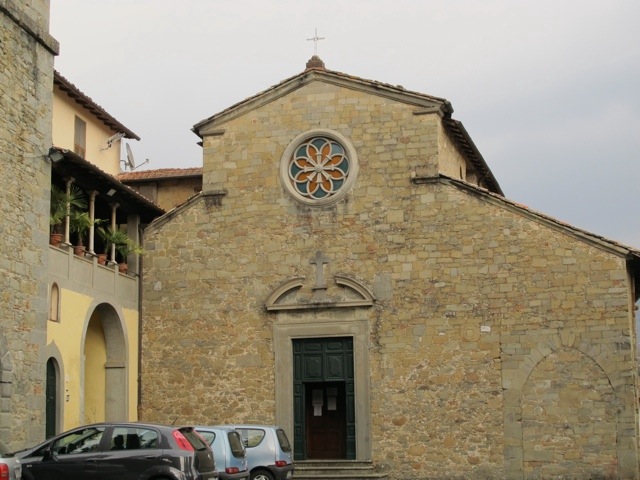
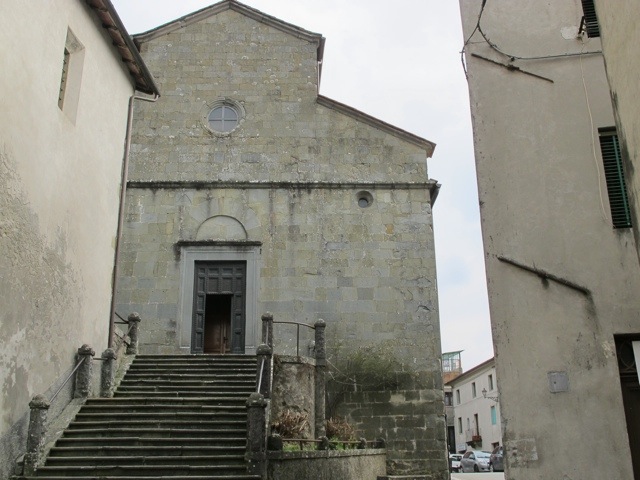
Opposite the memorial is the beautiful church, Chiesa Monumentale di S.Cassiano.

20120316-015524.jpg

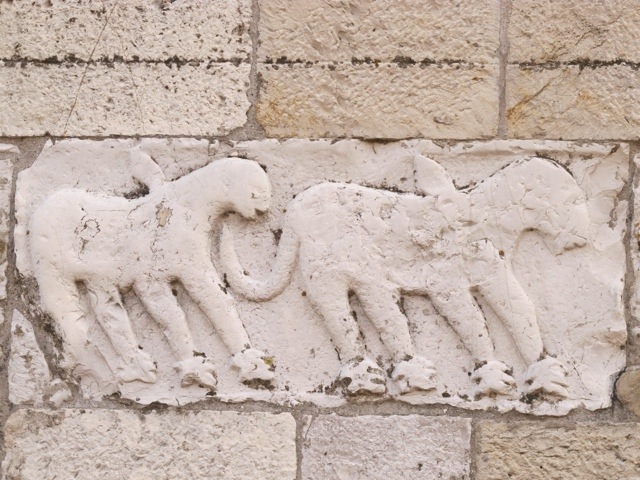
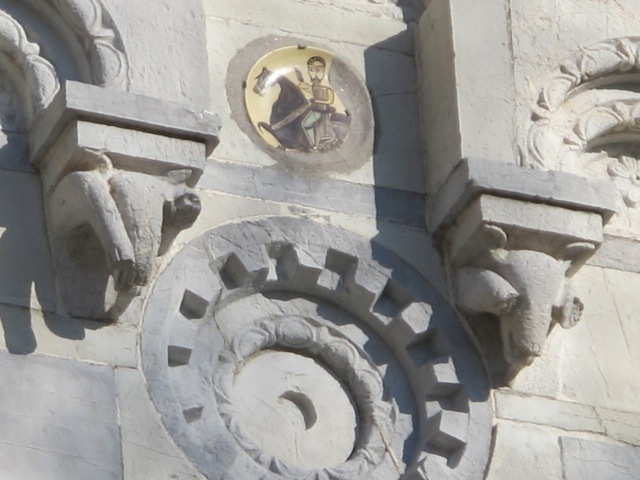
The church has been known since 722. The facade is from the period between the 9th and 12th centuries. It was closed so we couldn’t go inside, but the decoration on the outside is lovely.

20120316-015849.jpg

20120316-015927.jpg

20120316-020019.jpg

20120316-020046.jpg

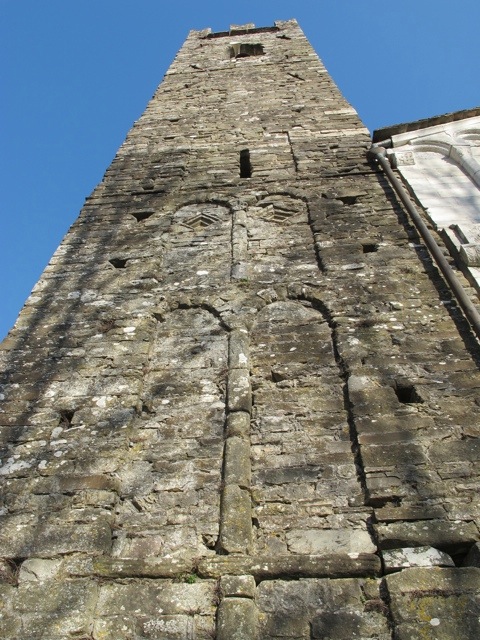
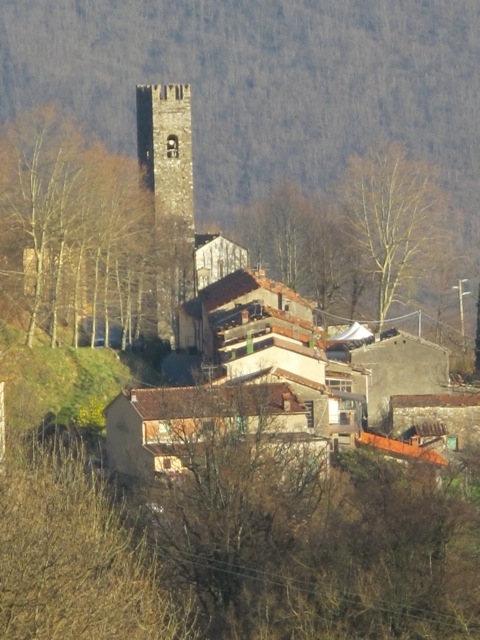
The campanile is the oldest part of the church.

20120316-020446.jpg

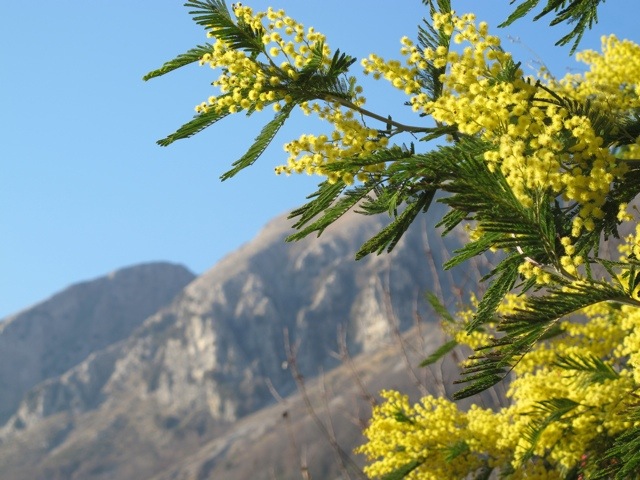
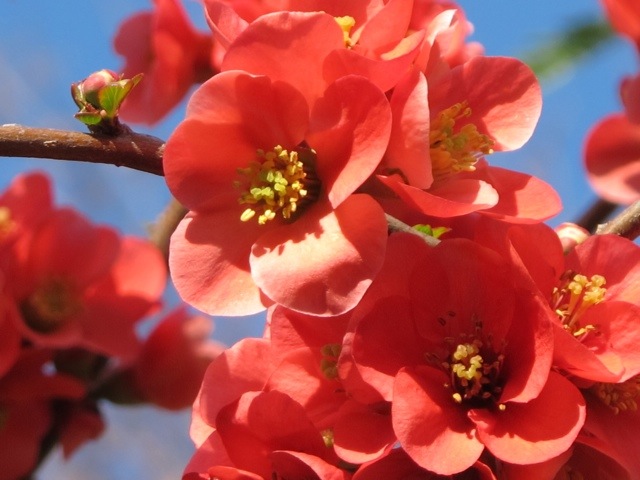
Spring is coming to San Cassiano.

20120316-020633.jpg

20120316-020810.jpg

20120316-020835.jpg

20120316-020857.jpg

20120316-020922.jpg

20120316-020940.jpg

20120316-020957.jpg

20120316-021101.jpg

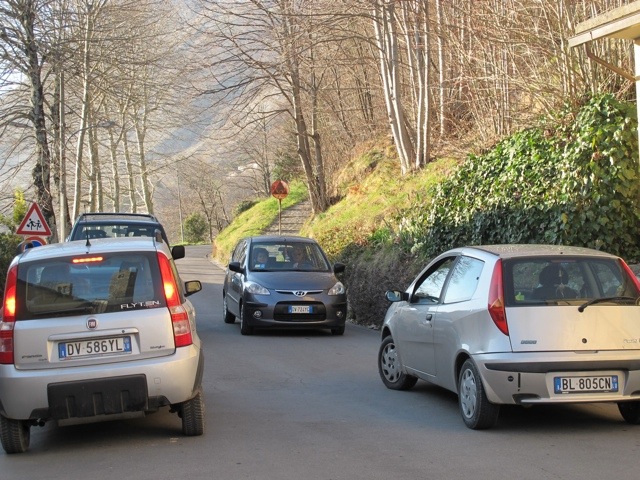
We were there in time to see a peak hour traffic jam.

20120316-021144.jpg

Somebody had parked in front of the butcher shop (why not?) and with another car parked on the other side of the road, nobody could get through. Everybody just stopped and had a chat and the customer eventually came out and they went on their way. There was a bit of horn blowing, but not too much.

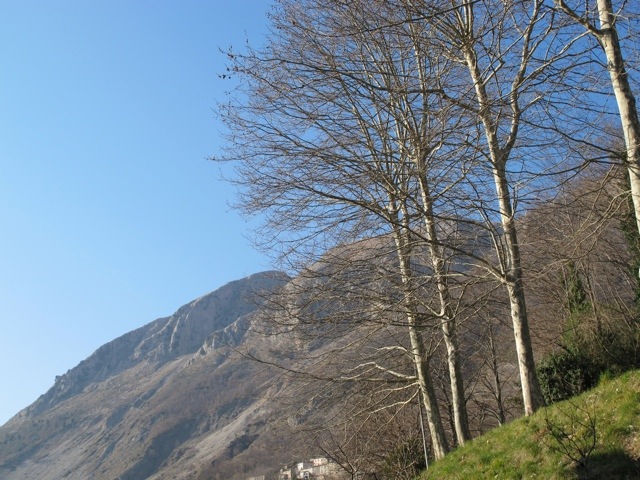
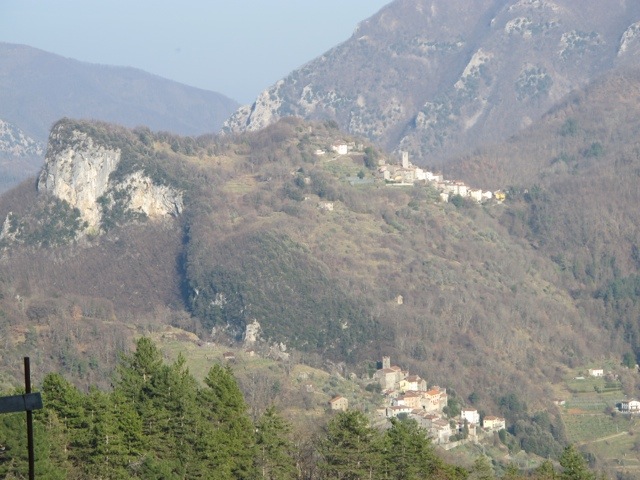
The mountains behind San Cassiano are quiet spectacular.

20120316-021746.jpg

There is still evidence of the landslides from the 18th century which wiped out the communities of Celle and Cerro.

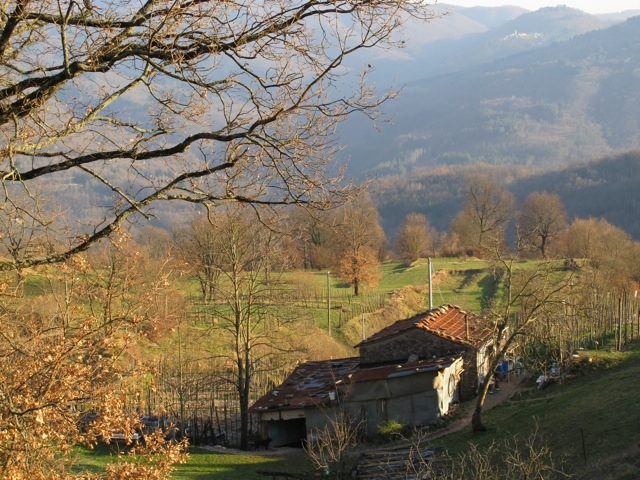
The area is beautifully rustic.

20120316-022020.jpg

20120316-022047.jpg

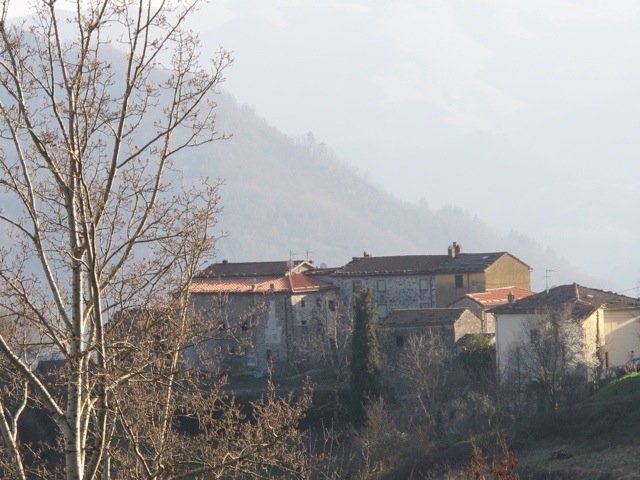
There are excellent views of neighbouring villages.

20120316-022137.jpg

.

20120316-022330.jpg

We had a lovely view of San Cassiano in the late afternoon sun as we left.

20120316-022502.jpg

I have to return to San Cassiano as a restaurant that I particularly like to eat at was not open. Soon spring will really arrive and the village will look completely different on my next visit.

The old Romanic church in Corsena

20120307-125703.jpg

The Chiesa Parrocchiale di San Pietro in Corsena, above La Villa, dates from the 11th century and possibly even earlier. It is one of the most interesting in the area. I wandered up there recently and luckily found it open.

It was a bit dark inside, so the photos are not as good as they could be. The wooden altar and the pews date from the 17th century.

20120307-125845.jpg

20120307-010023.jpg

20120307-010039.jpg

20120307-010052.jpg

20120307-010114.jpg

20120307-010131.jpg

The gabled facade is not the original one. Early in the 20th century the old double lancet window was replaced with the rose which is there now, pity really. On the right there was once a small porch, older than the facade, which was exterior to the original church. It has been amalgamated into the building as you can see from the brickwork.

20120307-010351.jpg

It is possible to see the mix of building materials, showing various repairs.

20120307-010501.jpg

20120307-010527.jpg

The bell tower dates from the 17th century.

20120307-010922.jpg

The church may date from as far back as the mid 7th century, when the Lombards (or Longobards) became Christians. Generally, towns grew around a castle and a church and this is most likely the original church for the area.

Countess Matilda di Canossa ( of Devil’s Bridge fame) loved the area and is said to have contributed to work on the church in the 12th century.

Take the time to walk up from La Villa to see this lovely old church. There are also good views from the courtyard in front of the church.

20120307-012606.jpg

20120307-012622.jpg

Lunch at Cavallino Bianco in Benabbio

I had heard that there was a good restaurant in Benabbio so on a quiet winter Sunday I made my way to the hilltop village. Benabbio is about 5 kilometres uphill from La Villa. Take the road towards Abetone, turn right at the Benabbio sign and follow the winding road.

20120304-071440.jpg

The road to Benabbio.

There are some lovely buildings in Benabbio and some spectacular views, even in winter.

20120304-071607.jpg

20120304-071640.jpg

20120304-071657.jpg

20120304-071710.jpg

20120304-071742.jpg

20120304-071757.jpg

20120304-071839.jpg

20120304-071852.jpg

It was easy to find the restaurant. It is right on the tiny piazza in the centre of the village

20120304-071949.jpg

The restaurant was full for Sunday lunch….a good sign.

20120304-072045.jpg

The menu was not written, but the very cheerful owner told me what was on offer for the day. I started with delicious antipasto.

20120304-072206.jpg

20120304-072219.jpg

20120304-072233.jpg

These little pillows of deliciousness are pasta fritta. It is a bread dough that is fried rather than baked.

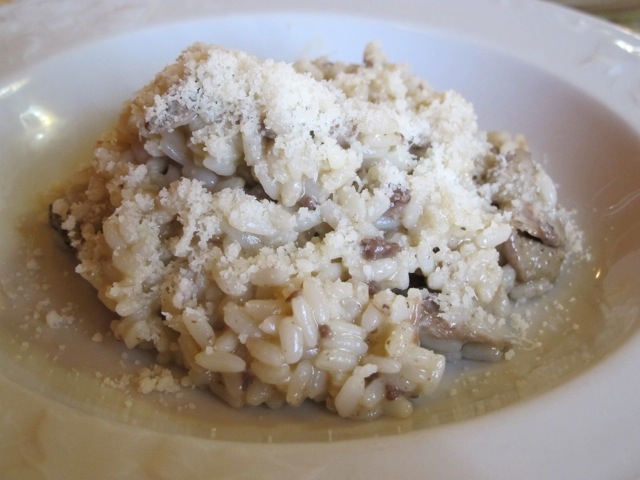
For those who don’t like pigeons, here is your revenge, risotto al piccione. I do like pigeons, but I pushed my guilt aside.

20120304-072607.jpg

I was also given some home made pasta to try…..and it was very good.

20120304-072705.jpg

I watched some wonderful looking dishes being delivered and eaten very quickly at nearby tables. I clearly need to come back to try some of the other choices.

Dessert was too good to refuse.

20120304-072926.jpg

There is a downstairs bar as well as the upstairs restaurant.

20120304-073008.jpg

Here is the lovely man who served me. I didn’t catch his name. I really will have to go back.

20120304-073052.jpg

Cavallino Bianco, Piazza S. Maria, 13. Benabbio
http://www.ilcavallinobianco.com
(+39) 0583 804089

Bagno alla Villa

If you walk up from La Villa, the commercial centre of Bagni di Lucca, or down the hill from Colle you will arrive at the quaint little hamlet near Bagno alla Villa, the old thermal spa. Along with Colle and Corsena this is the oldest part of Bagni di Lucca.
The Piazza del Bagno is very pretty and was home to several famous people in the past. The French philosopher Michel de Montaigne stayed here to take the waters in an attempt to cure his kidney stones. The English poets Shelley and Bryon also stayed here. There is a lovely collection of houses here and it is easy to see that it was once very grand.

20120303-065423.jpg

20120303-065511.jpg

20120303-065528.jpg

20120303-065547.jpg

20120303-065654.jpg

20120303-065708.jpg

The old baths have been recently restored. It would be wonderful if they were open again and the area could once again be a hive of activity.

20120303-065845.jpg

20120303-065859.jpg

20120303-065947.jpg

Nearby is Villa Ada, the 16th century residence of the De’Nobile family. It was restored on the second half of the 19th century. It would make a wonderful hotel. We just need somebody with lots of money to come along and restore it once again.

20120303-070435.jpg

20120303-070458.jpg

The grounds must have been stunning. There are lovely old stairways and a covered walkway which has become overgrown, such a pity.

20120303-070743.jpg

20120303-070807.jpg

20120303-070830.jpg

Inside Villa Ada is the pretty little marble statue which has become the symbol of Bagni di Lucca.

20120303-070948.jpg

It is an easy walk uphill from La Villa, just head up past the English church and the swimming pool and keep going. It is particularly lovely in spring when it is possible to imagine how grand this area must have once been.
If you know somebody with lots and lots of money, send them along, they might just like to take on a renovation project.

Meet Emilio Ferrari from Colle

To begin my quest to visit and photograph the villages that make up Bagni di Lucca, I decided the first should be Colle. I’m not sure that Colle is actually a village. It is a delightful collection of houses that I can see on the hill directly in front of my house. It always looks beautiful and I have walked there many times.
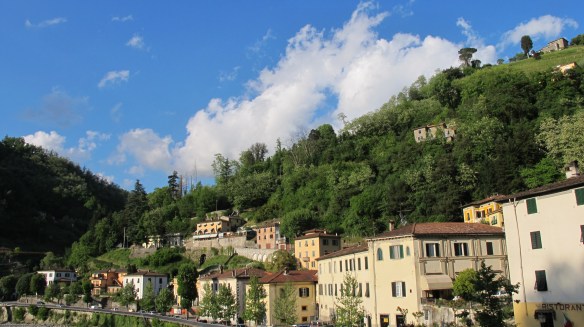
looking towards Colle from my balcony

Colle in spring

looking up from Ponte a Serraglio

from the walking bridge

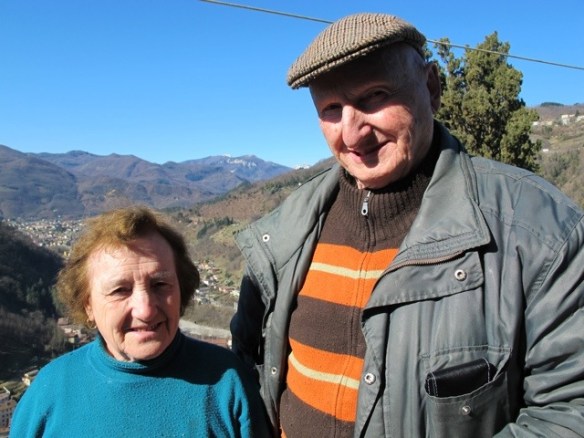
I wanted to know a bit more about Colle apart from what I had discovered myself and it was suggested that I talk to Emilio Ferrari, who was born in Colle 80 years ago. Emilio and his lovely wife Alfa kindly invited me into their home and were happy to talk about their lives in the village. Before I go on, don’t you just love the name Emilio Ferrari, and what of the chances of a Ferrari marrying an Alfa???? And they drive a Fiat.

Emilio told me that Colle is actually the oldest part of Bagni di Lucca. There used to be a castle on top of the hill just past houses that are there now. It was owned by a count and everybody living in the surrounding area worked for him, cultivating the land on the hill leading down to the Lima valley. Later on the city of Lucca had the castle destroyed to prevent it falling into the hands of Federico Barbarossa who was fighting in Italy in the 1100s.

The little village survived and the people living there grew grapevines all over the hillsides. The hills were terraced and vegetables were grown as well. Sheep, goats and cattle were kept for their milk and to provide meat. Now there are only a few vineyards left, one of which belongs to Emilio, the one I can see from my house.
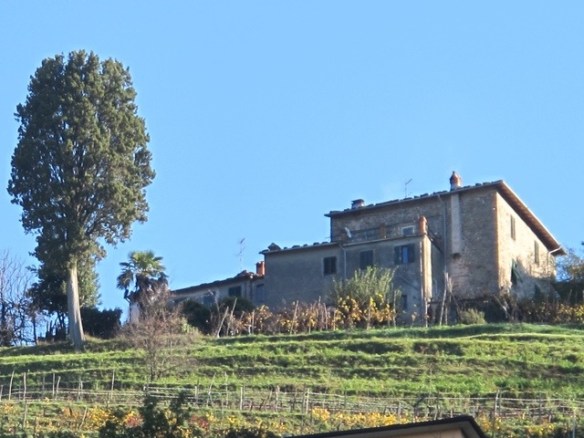
20120227-024811.jpg

Emilio’s house in Colle

Emilio was born in the house where he lives today. He left Italy in 1951 to work in Brazil. He recalls have to pay a sum of money as a guarantee that he would not run off to Florida, a popular place for young Italians at the time. He also spent time working in France. He eventually returned to Colle and married Alfa, a local girl from a little further down the hill. They have been married for 44 years and have 2 adult children.

Alfa and Emilio

There are only about dozen people living in Colle now and it is difficult to believe that it was once the hub of what is now Bagni di Lucca. The building next door to Emilio once housed the Comune office.

20120227-025928.jpg

the door to the old Comune

autumn at the Comune building

The walk up to Colle is quite steep, especially the last bit, but the views make the trek worthwhile. There are magnificent views of the mountains and the Lima valley below.

a view from Colle
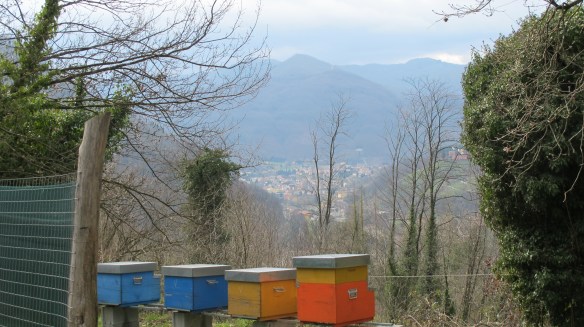
bee hives in Colle

snow on the mountains

an old house in Colle
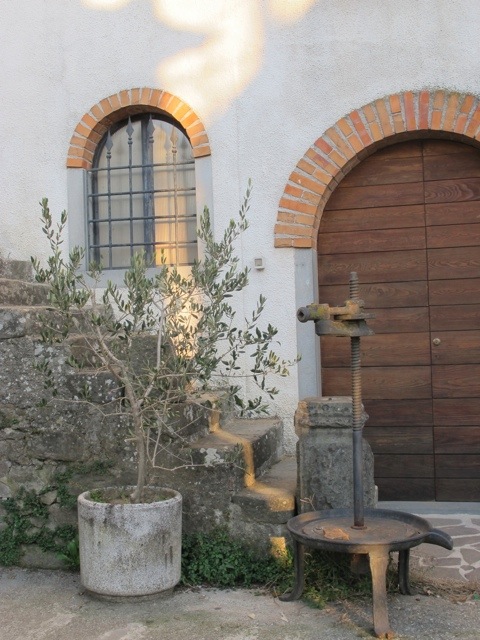
an old wine press
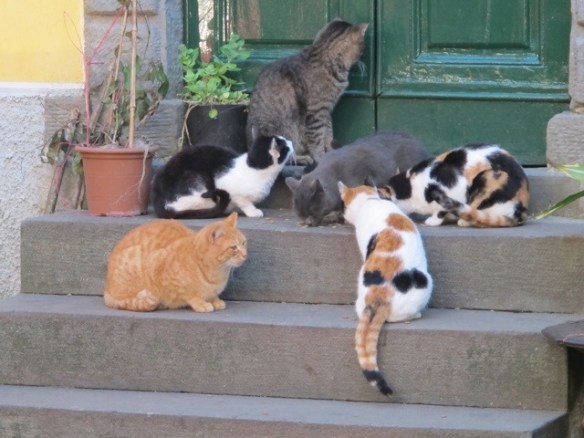
Emilio’s family of cats

If you keep walking through the village there is a path which takes you to the top of the hill, where there is a picnic ground and a monument to the Alpini soldiers.
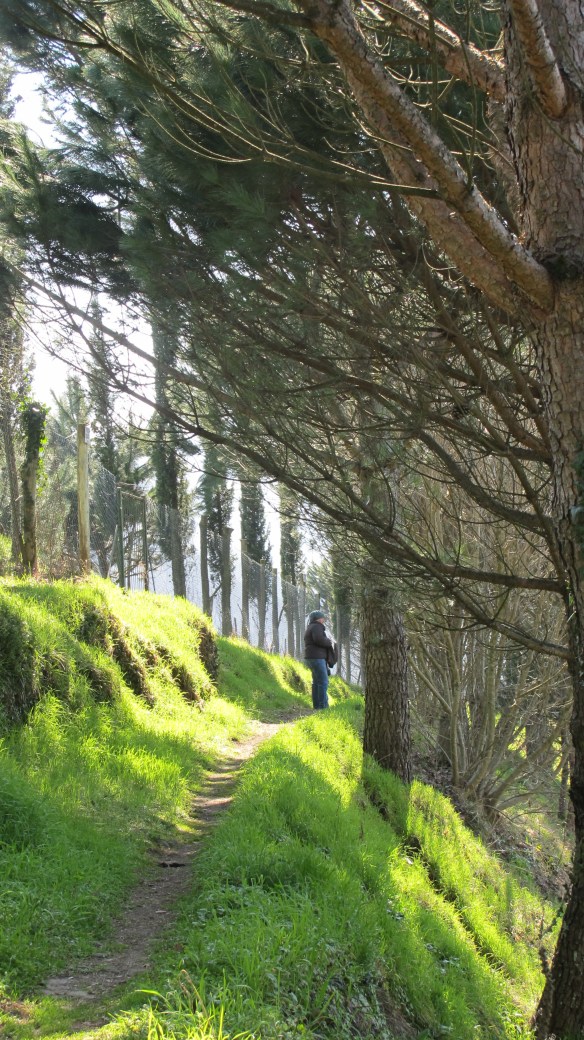
the path to the top
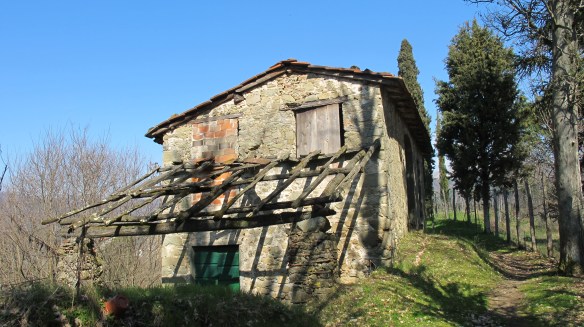
the little house on the track to the top
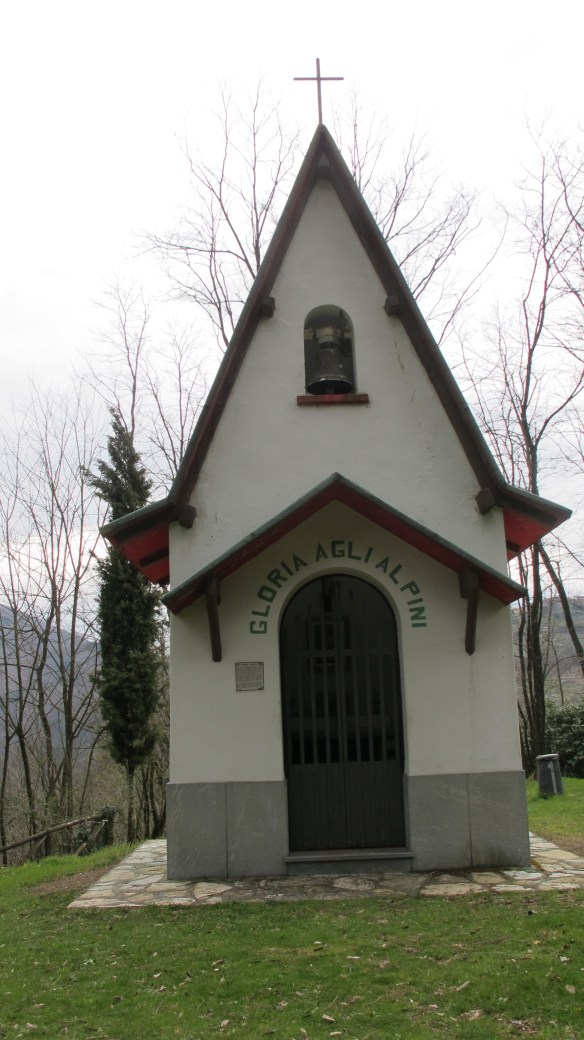
Chiesina Alpini

After climbing to the top you will need to retrace your steps back to the village.

The best views of all are from Emilio’s balcony.

the view from Emilio’s house

my house beside the bridge
Alfa and Emilio

To walk to Colle from Ponte a Serraglio, take the road between the post office and the Bridge Hotel and head towards Bagni Caldi, keep going uphill and follow the signs. The road to the top is surrounded by chestnut trees and the walk is lovely. There is a path on the other side of the hill that takes you down to La Villa.

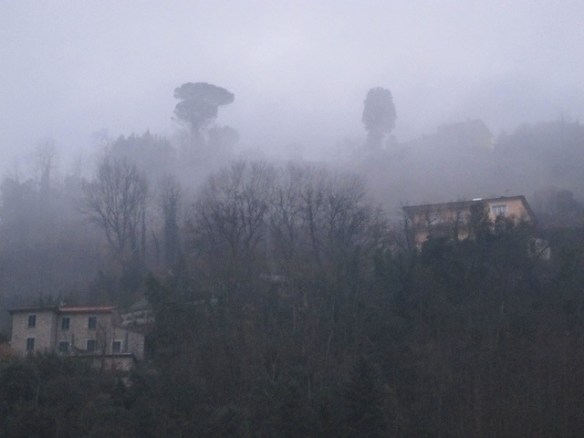
I like to walk to Colle on misty winter mornings.
20120227-081057.jpg

an early morning winter view of Colle

Emilio is often at Il Monaco in Ponte a Serraglio, where he likes to have his morning coffee. Say hello if you see him, he likes a chat.
 

Bagni di Lucca has the first casino in Europe

20120219-115327.jpg

The Royal Casino in Ponte a Serraglio was the first public casino in Europe. Gambling was already popular in the area and people would gather in one of the buildings in Bagni Caldi, which now houses the thermal baths, until Carlo Lodovico di Borbone commissioned Giuseppe Pardini to build the casino in 1837.

the casino today

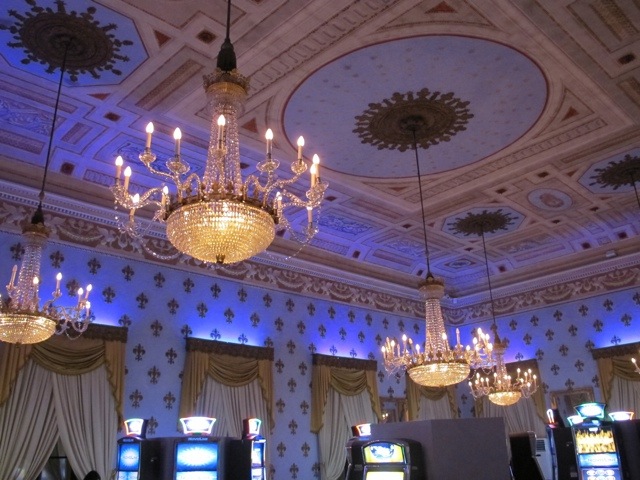
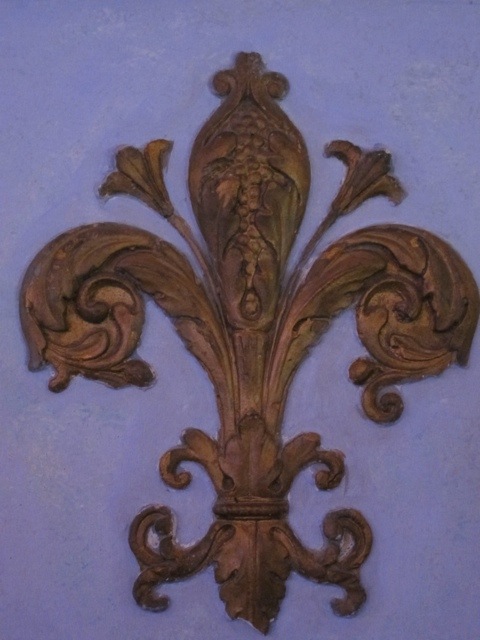
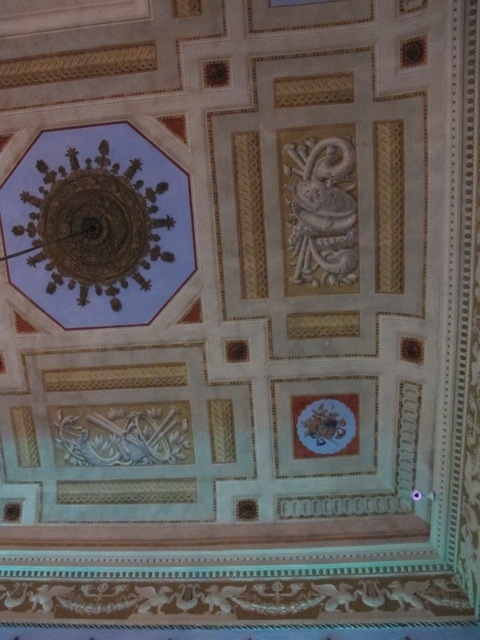
The interior of the building is beautiful and was lovingly restored recently, bringing back to life the walls decorated with the gilded lilies on a blue background, similar to the Florentine iris. The original ornate crystal chandeliers are still there along with some of the original furnishings.

the beautiful ceiling and the original chandeliers

the Florentine lily

2 French gentlemen, Adrien Mathis and Edouard Ginnestet were allowed the management of the gambling. European aristocracy gambled fortunes at “biribosso”, a game of chance using numbered counters, said to be the beginnings of roulette. Several early gambling games were originally played here in Bagni di Lucca. The profits from the casino helped with the management of the spas in the area.

It must have been a fun place to be, with poetry, plays and concerts performed by the famous musicians of the day, including Franz Liszt.
where the musicians used to perform

The casino closed after WWII, but reopened in 2005 after the renovations, which took 2 years. It was used for a time as the information centre and is now available for exhibitions and private functions.
the restaurant

beautiful walls in the restaurant

the well stocked bar

I love the details on the walls and ceilings. I was here when the restoration work was being done and the patient workers would occasionally let me watch them at work. It inspired me to paint my walls at home. I wish they looked as good as the ones at the casino.

decoration on the walls

detail on the ceiling

decoration on the ceiling

the interior took 2 years to restore

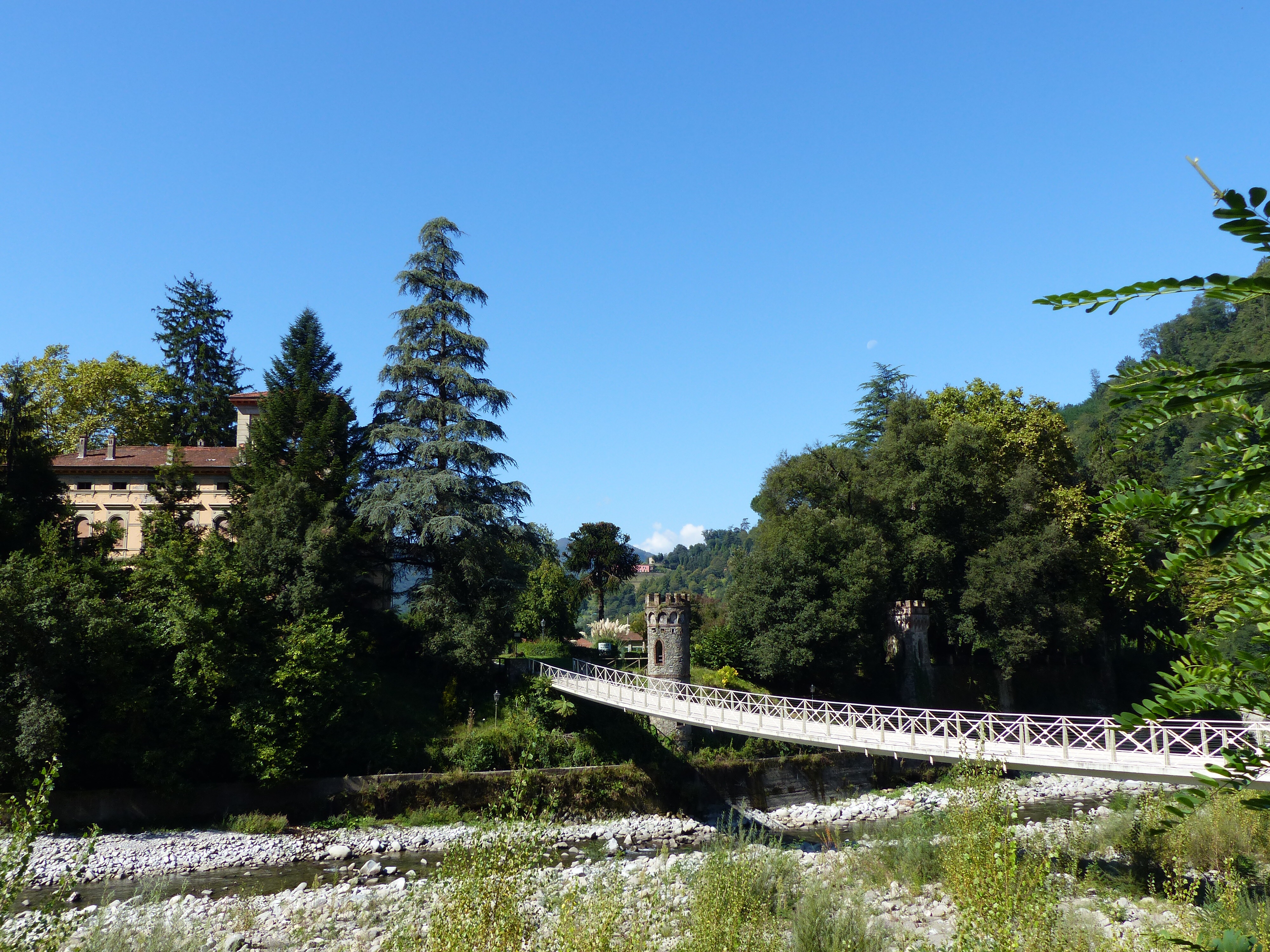
The casino is in Ponte a Serraglio, Via del Casino 66/68. There is parking space at Villa Fiori across the river and you can walk to the casino via the passerella (walking bridge).

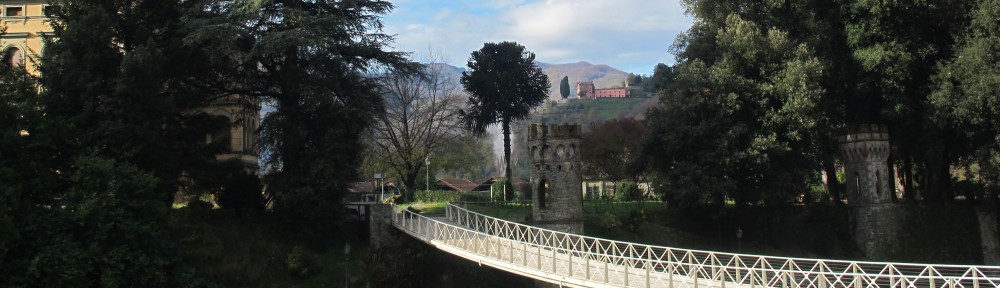
Ponte a Serraglio

Casino Ponte a Serraglio