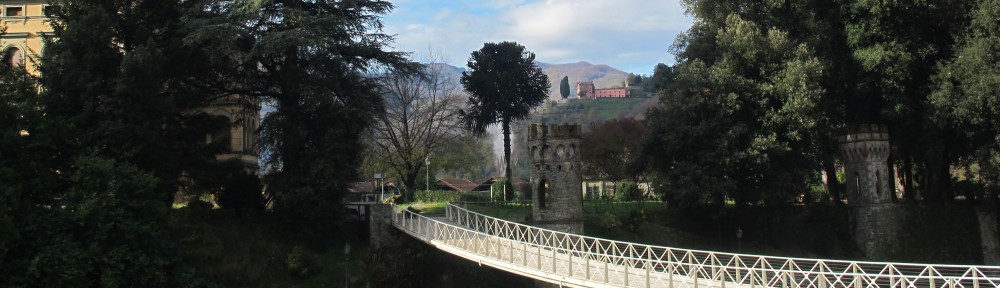
Have a pastry at Ponte a Serraglio

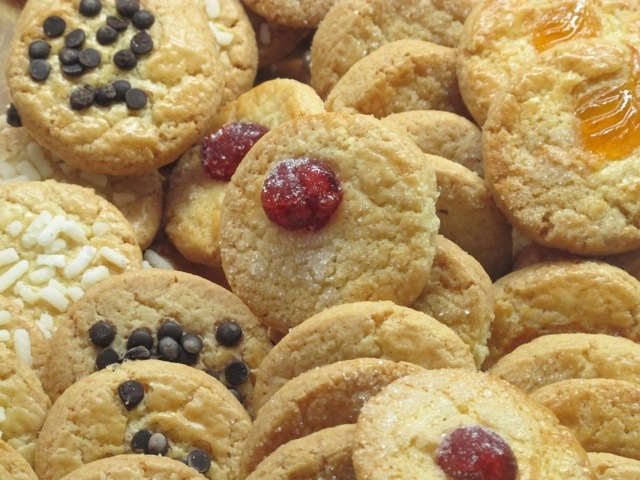
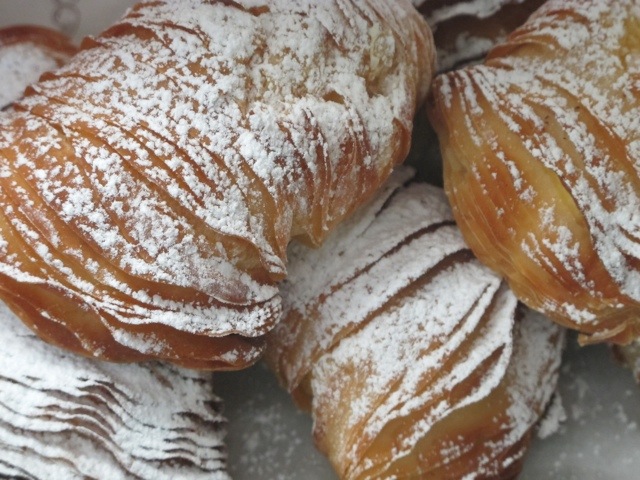
We are very lucky in Ponte a Serraglio, we have Il Monaco, where Annalisa and her pastry chef, Stefana make the most delicious pastries and cakes. The pasticceria opens very early in the mornings and is instantly busy. The coffee is excellent and choosing which pastry to have may just be the hardest decision you will make all day.
20120221-080407.jpg

20120221-080424.jpg

20120221-080441.jpg

20120221-080455.jpg

There are also delicious sandwiches for those who prefer savoury things in the morning.

20120221-080614.jpg

It is Carnevale time which means fritelle. I think it is wrong that these little donut like pastries are only available for a few weeks a year.
20120221-080740.jpg

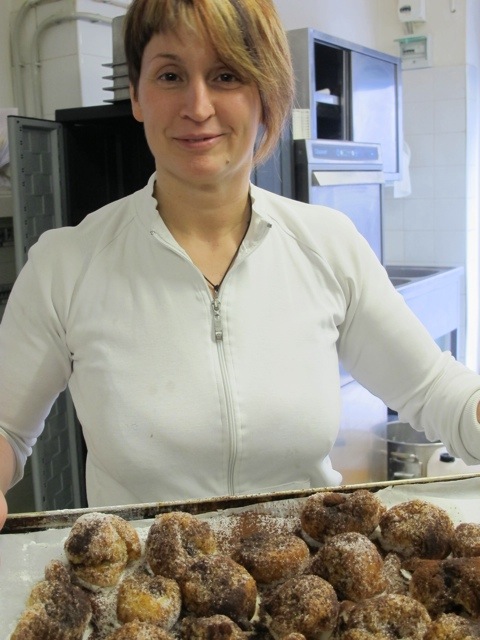
Stefana is showing us the chocolate version. They also come with a rice or vanilla filling…..more decisions.

20120221-080845.jpg

Annalisa is helped in Il Monaco by her sister Suzanna and a team of pretty girls. Her 2 daughters are still a bit young to help.

20120221-081035.jpg

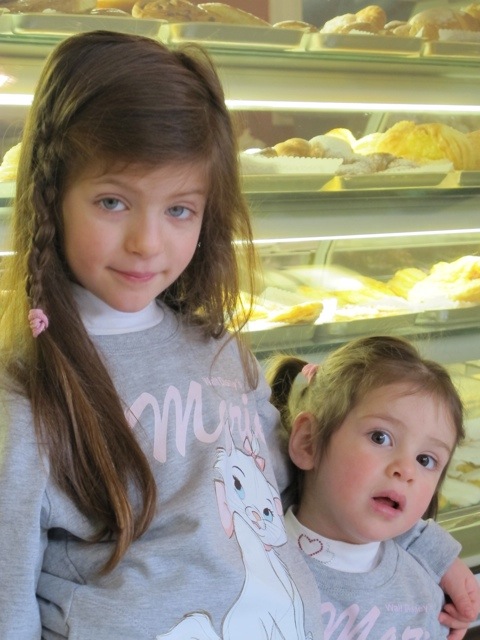
Annalisa is on the right, Suzanna is holding Sylvia and Elise, who has the most beautiful hair I have ever seen, is in front of her mother.
20120221-081315.jpg

Don’t have breakfast at home. Il Monaco and Bar Italia, across the piazza ( also owned by Annalisa ) are so much more fun. Apart from getting a great coffee, it is the best way to experience village life. Practise your best Buongiorno and meet the locals.

Il Monaco is open early every day except Wednesday. The closing time depends on the time of year. In warmer weather they also make delicious gelato.

You will find Il Monaco and Bar Italia in the piazza at Ponte a Serraglio. I am most fortunate, I just have to walk across the bridge and I am there.

Bagni di Lucca has the first casino in Europe

20120219-115327.jpg

The Royal Casino in Ponte a Serraglio was the first public casino in Europe. Gambling was already popular in the area and people would gather in one of the buildings in Bagni Caldi, which now houses the thermal baths, until Carlo Lodovico di Borbone commissioned Giuseppe Pardini to build the casino in 1837.

the casino today

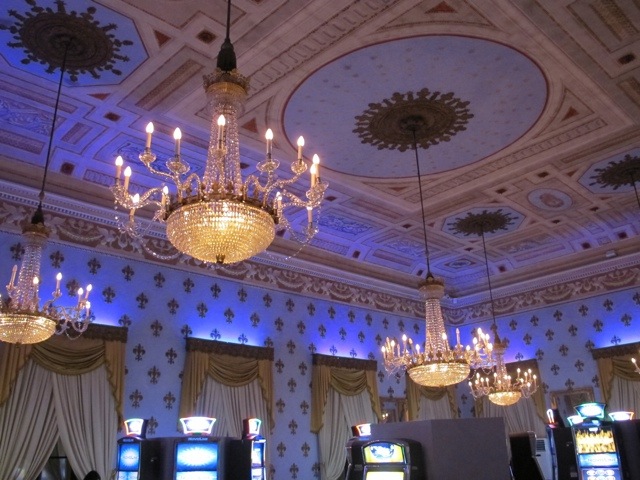
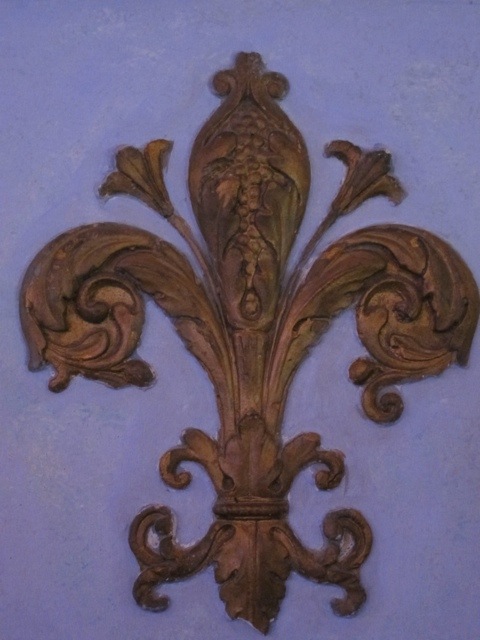
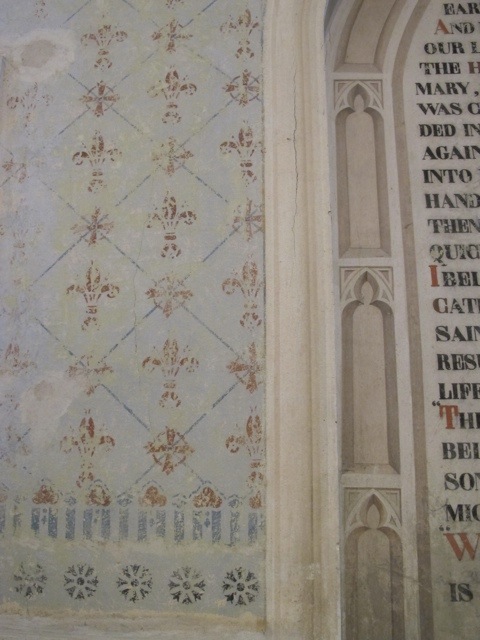
The interior of the building is beautiful and was lovingly restored recently, bringing back to life the walls decorated with the gilded lilies on a blue background, similar to the Florentine iris. The original ornate crystal chandeliers are still there along with some of the original furnishings.

the beautiful ceiling and the original chandeliers

the Florentine lily

2 French gentlemen, Adrien Mathis and Edouard Ginnestet were allowed the management of the gambling. European aristocracy gambled fortunes at “biribosso”, a game of chance using numbered counters, said to be the beginnings of roulette. Several early gambling games were originally played here in Bagni di Lucca. The profits from the casino helped with the management of the spas in the area.

It must have been a fun place to be, with poetry, plays and concerts performed by the famous musicians of the day, including Franz Liszt.

where the musicians used to perform

The casino closed after WWII, but reopened in 2005 after the renovations, which took 2 years. It was used for a time as the information centre and is now available for exhibitions and private functions.

the restaurant

beautiful walls in the restaurant

the well stocked bar

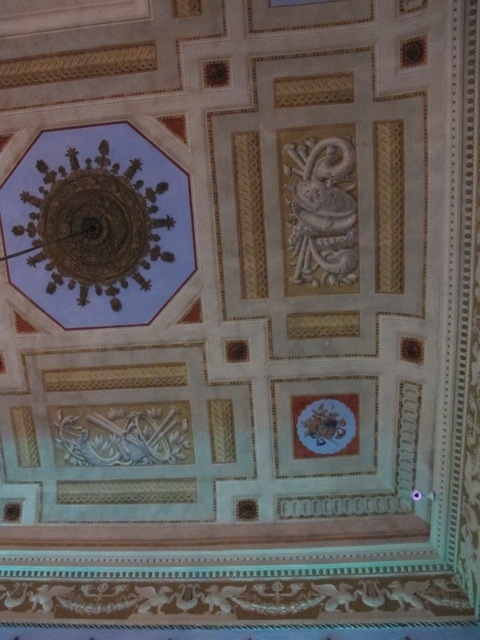
I love the details on the walls and ceilings. I was here when the restoration work was being done and the patient workers would occasionally let me watch them at work. It inspired me to paint my walls at home. I wish they looked as good as the ones at the casino.

decoration on the walls

detail on the ceiling

decoration on the ceiling

the interior took 2 years to restore

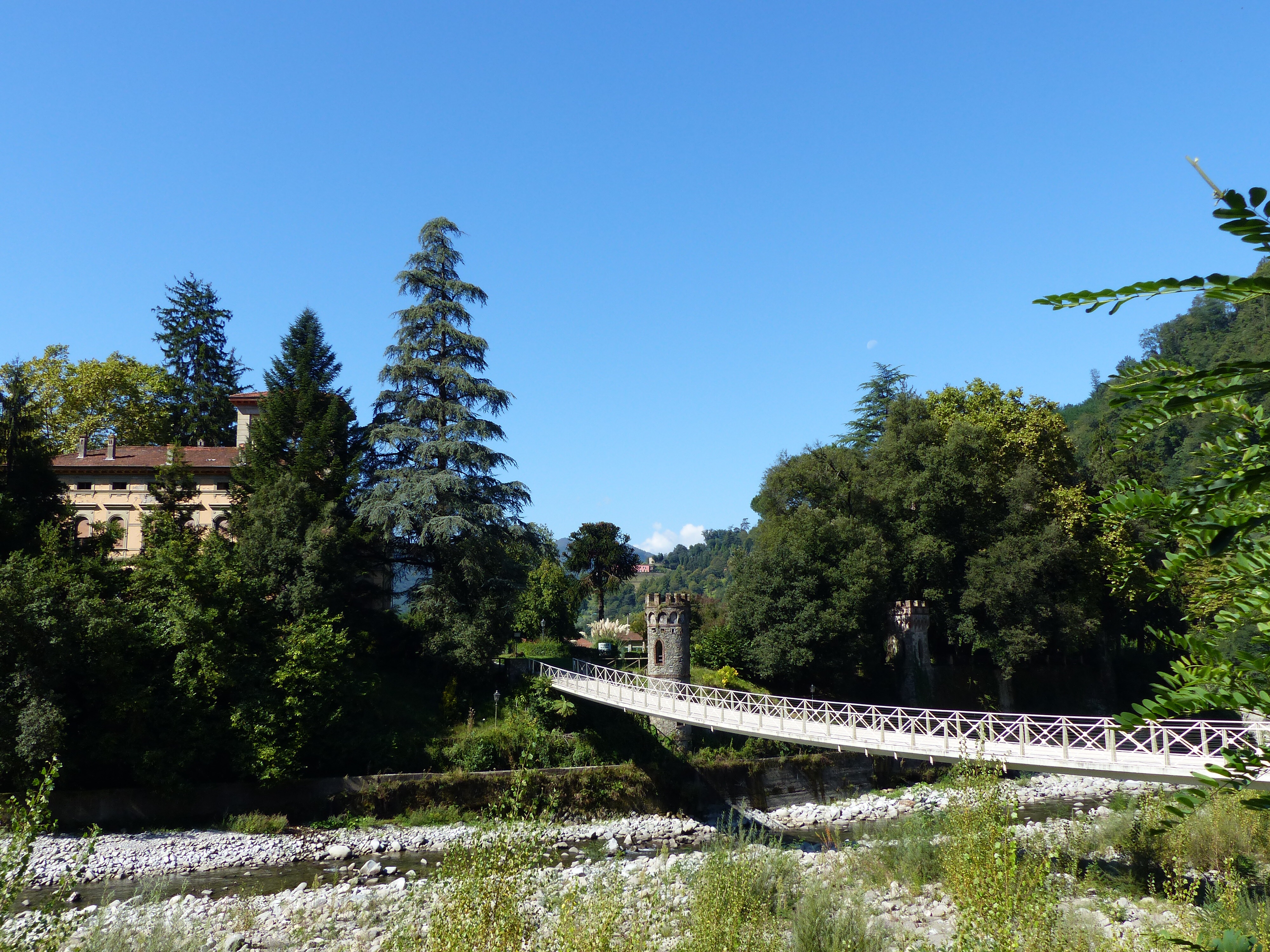
The casino is in Ponte a Serraglio, Via del Casino 66/68. There is parking space at Villa Fiori across the river and you can walk to the casino via the passerella (walking bridge).

Ponte a Serraglio

Casino Ponte a Serraglio

Ponte della Maddalena…..Devil’s Bridge

Ponte Maddalena

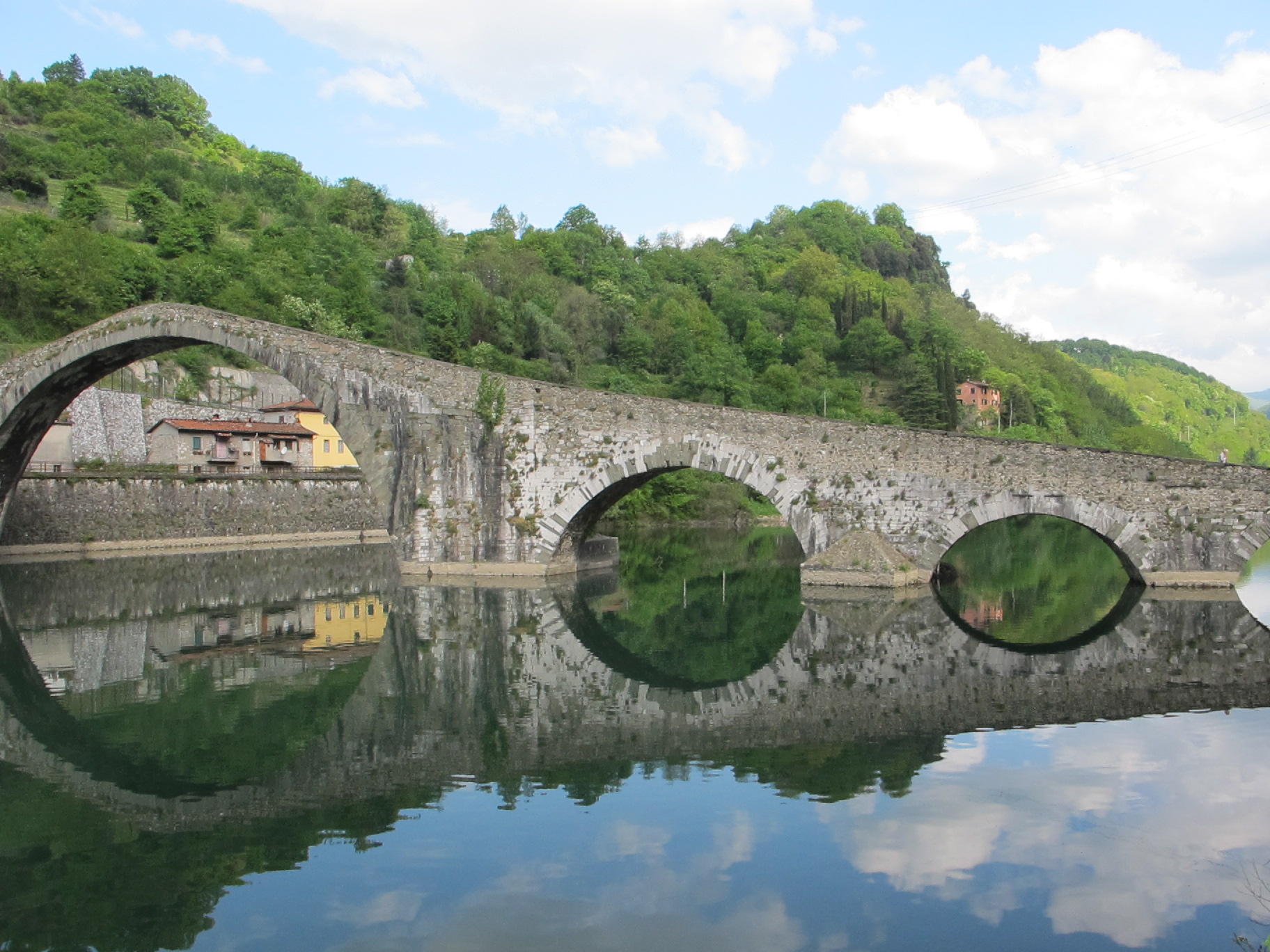
While this gorgeous bridge is not actually in Bagni di Lucca it is synonymous with the area, and a perfect introduction to our villages . The very beautiful Ponte Diavolo crosses the Serchio river at Borgo a Mozzano, just 4 kilometres before Bagni di Lucca.

The bridge was thought to be commissioned by the Countess Matilda of Tuscany around 1080 – 1100 to enable people to cross the Serchio and get access to the spas in Bagno di Corsena, as Bagni di Lucca was then called.

The name Ponte Maddalena comes from a life size image of Maddalena, a painting from the Della Robbia school, which was in an oratory at the foot of the bridge. You can now see it in the Church of S. Jacopo in Borgo a Mozzano.

The bridge’s more popular name, Devil’s Bridge, comes from the legend from the time of Saint Julian, the protector of travellers. The devil was asked for help to construct the bridge and in return he was offered the soul of whoever crossed the bridge first. Saint Julian arranged for a dog to cross the bridge for the first time.

In 1836 a flood damaged the bridge and it required significant repairs. An extra arch was added in the early 1900s to make more room for a surfaced roadway.

spring at Ponte della Maddalena

beside the bridge

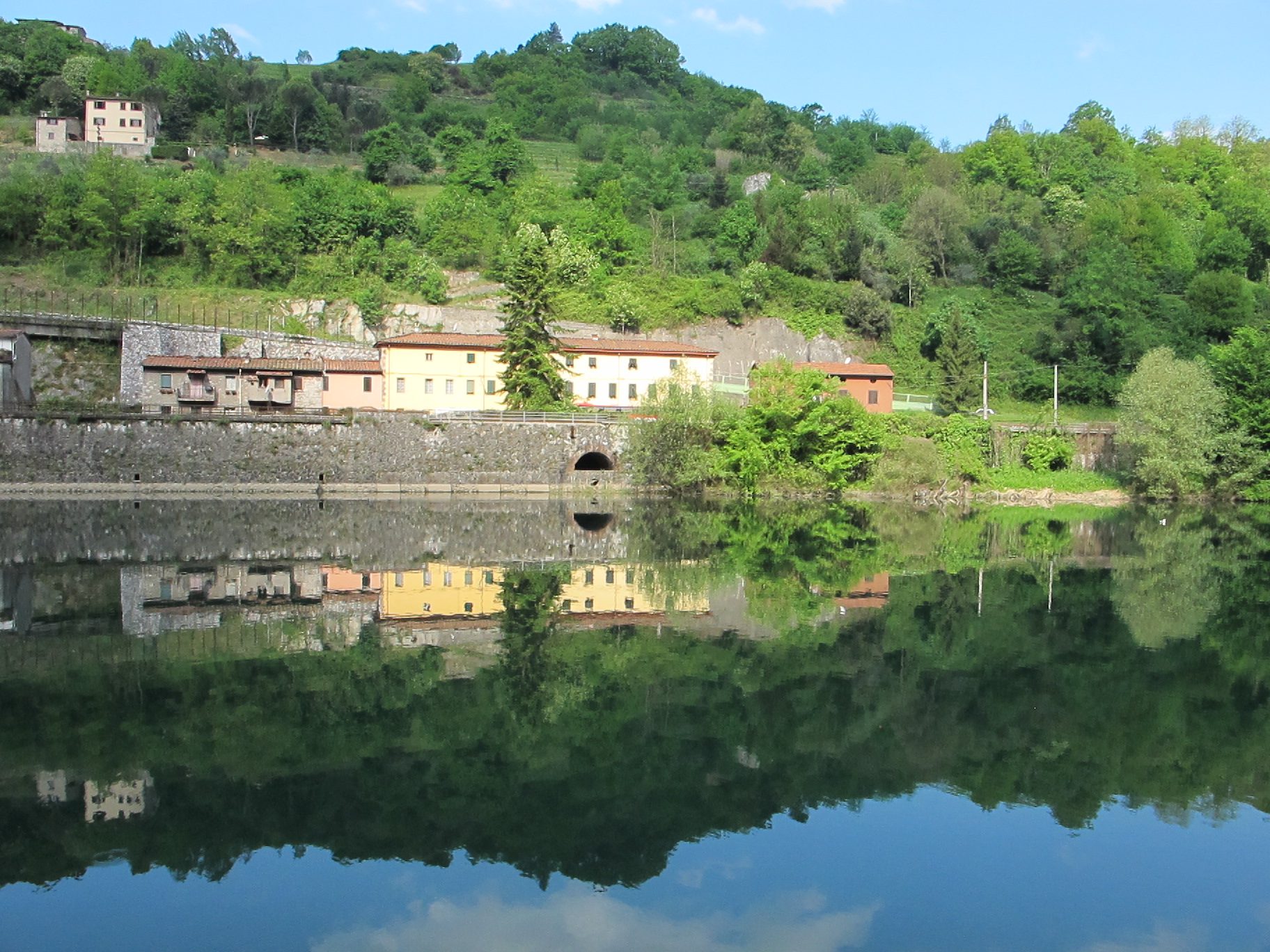
a perfect reflection

the main arch is 18.5 metres high

looking down from the top

looking towards Bagni di Lucca

from the top

a perfect spring day

looking towards Borgo a Mozzano

the beautiful Serchio valley

Lucky for us it is still intact and it is possible to walk across the bridge and to admire the excellent view from the highest arch.

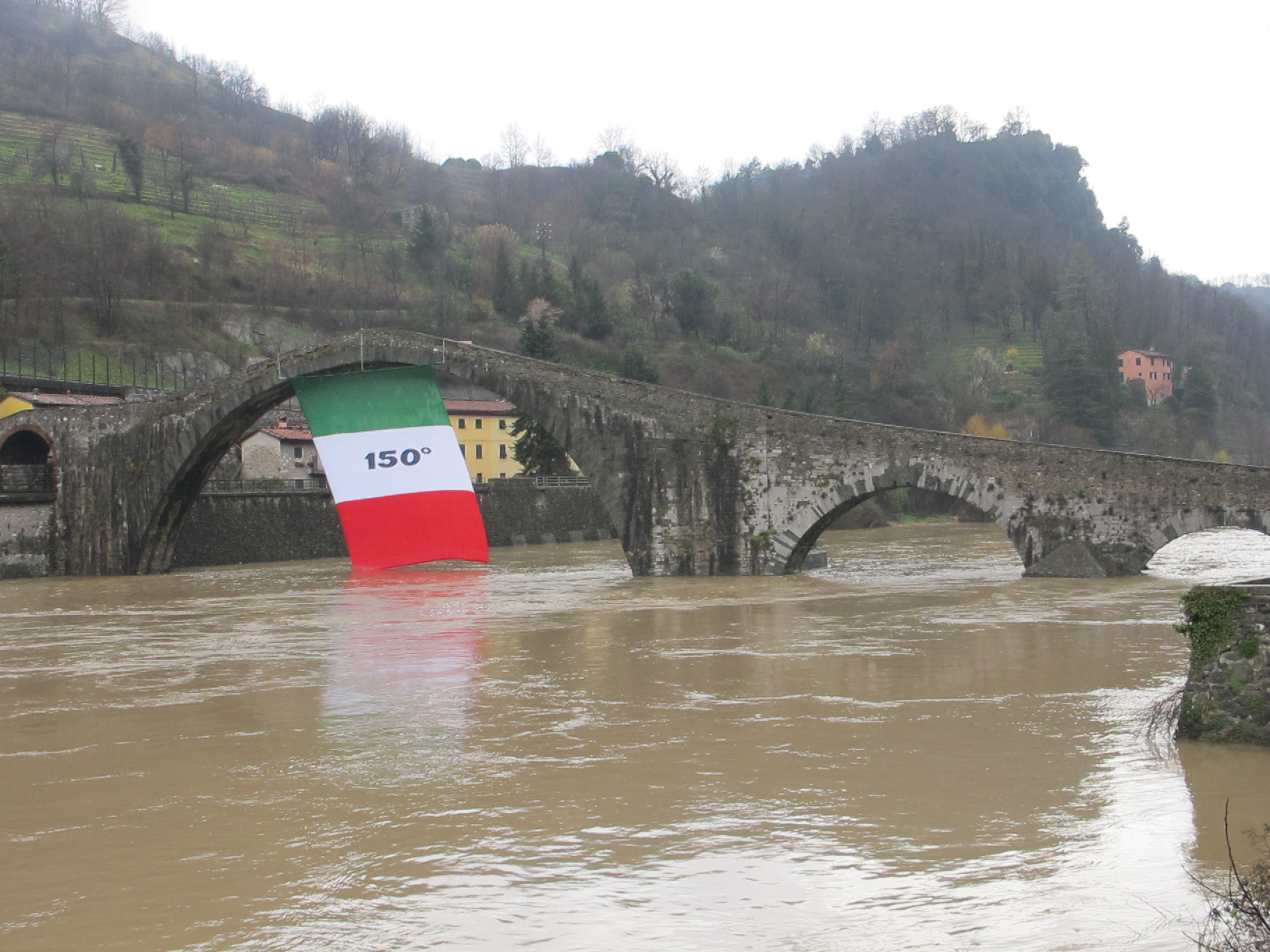
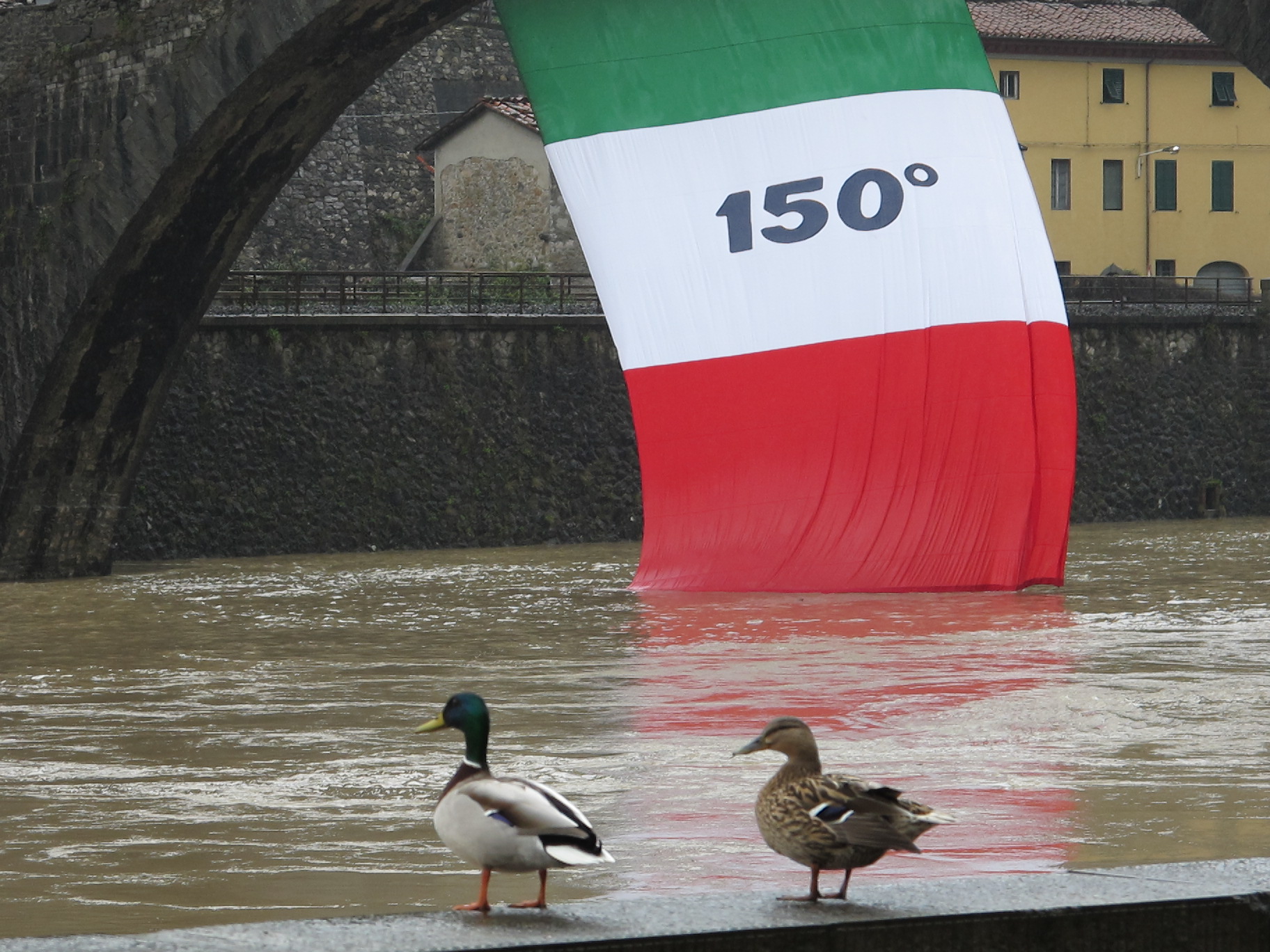
The bridge takes on a completely different look in winter. I think it looked wonderful in 2011 with the huge flag put there to celebrate the 150th anniversary of the unification of Italy.

a rainy day at Ponte della Maddalena

even the ducks are impressed

There is a car park beside the bridge to allow you to stop for a while. I tried walking there from Bagni di Lucca once, but that was a bit scary. There is no footpath and the road is narrow and I was shouted at by drivers. There is a bus stop there, so if you can coordinate the buses, that would be an option. Walking from Borgo a Mozzano is a bit less dramatic.

I think the perfect solution would be a footpath constructed beside the road, over the river, which would give excellent pedestrian access…… is anyone listening?

The English Church in Bagni di Lucca

20120218-025200.jpg

At the beginning of the 19th century Bagni di Lucca became a popular destination for large numbers of English people who liked to spend their summers here. Among others, the poets Shelley, Byron and the Barrett Brownings came to enjoy the spa town in the 1800s.
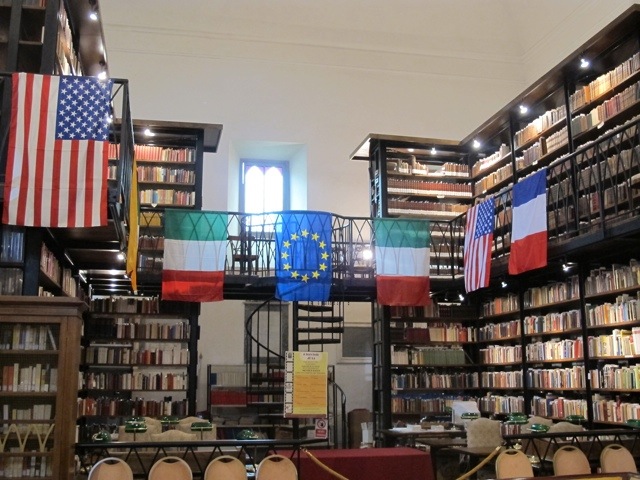
It was decided to build an Anglican church for the new arrivals. In 1839 Carlo Ludovico, Duke of Lucca, granted permission to build the “Palace of the English Nation” as it was called. The work was entrusted to Giuseppe Pardini, who made the building in the Anglicised neo classic design.

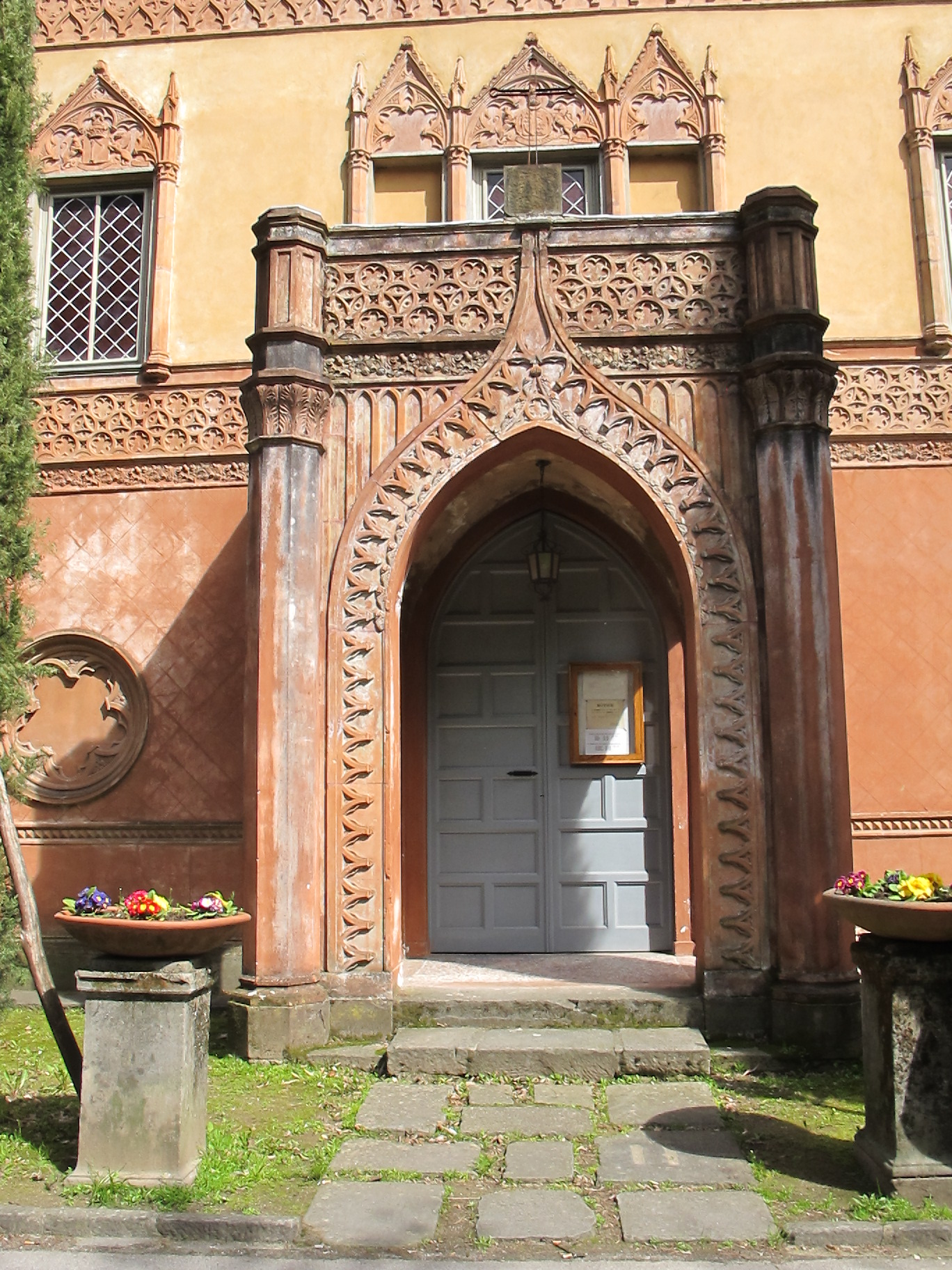
the front door to the church

the back of the building in spring

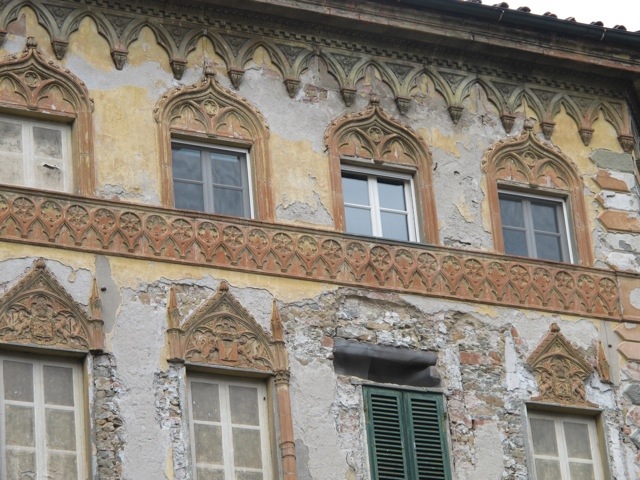
it needs a bit of work

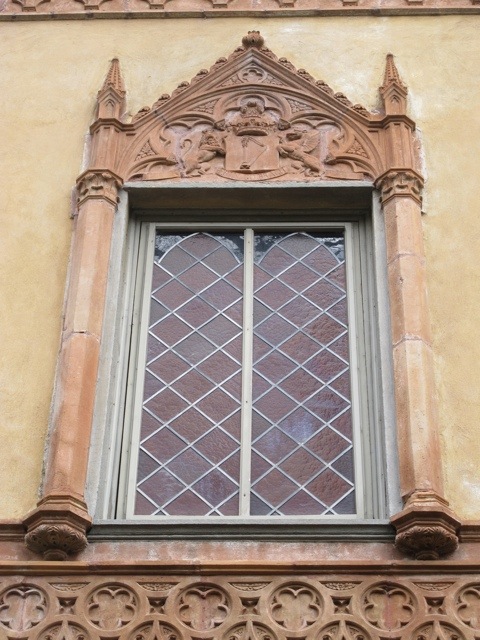
one of the lovely windows

20120218-025354.jpg

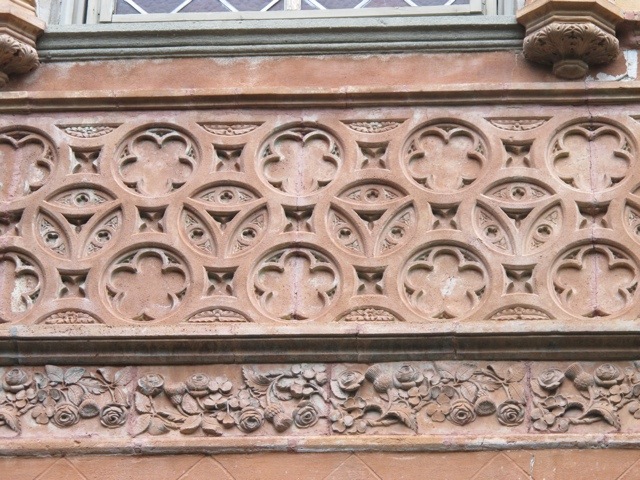
decoration under the windows

20120218-025451.jpg

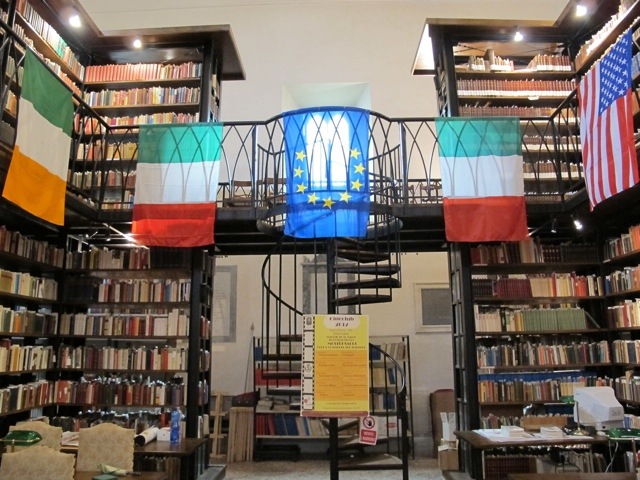
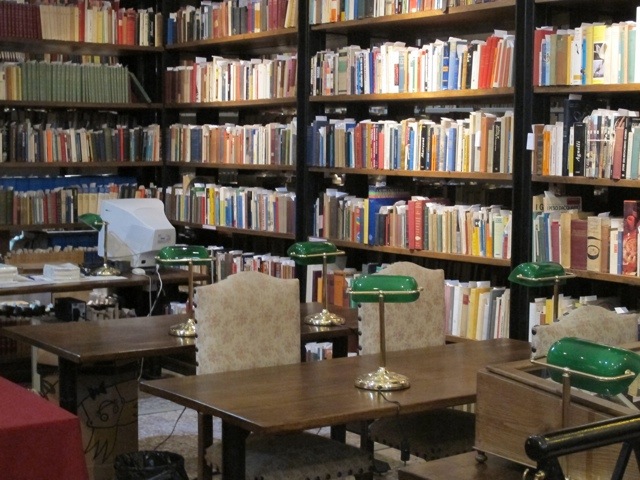
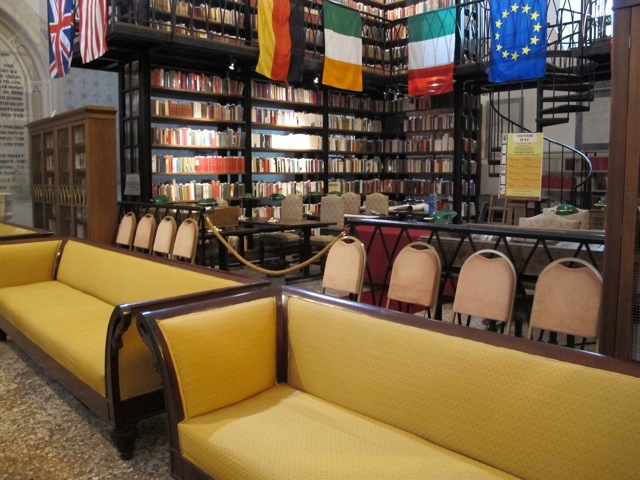
The building is no longer a church, but has been put to good use as a library and it also houses historical information.

20120218-025553.jpg

20120218-025612.jpg

20120218-025651.jpg

Some of the lovely old chairs from the casino are kept here to help preserve them.

20120218-025855.jpg

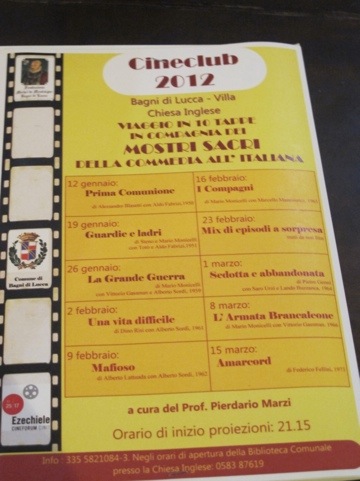
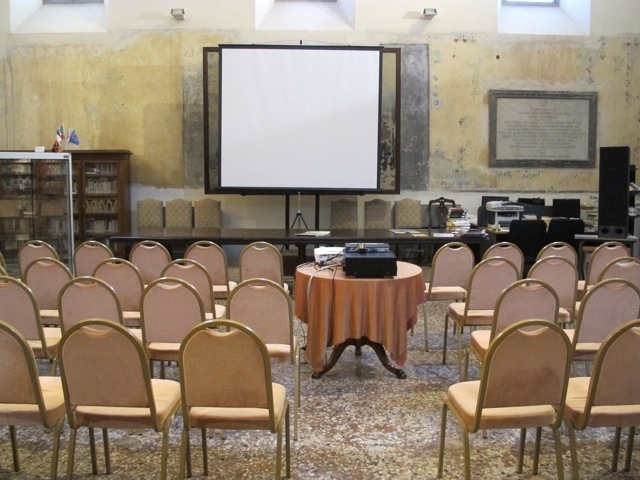
On Thursday evenings films are shown here.
20120218-025959.jpg

20120218-030013.jpg

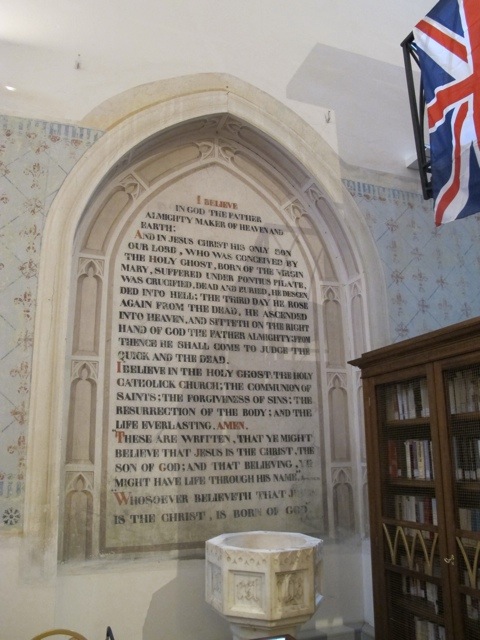
Some of the old church is still visible.

20120218-030112.jpg

20120218-030131.jpg

20120218-030149.jpg

The English Church is in La Villa behind the main street, Via Umberto1, on the way to the swimming pool, in the delightfully named Via Evangelina Whipple.

The library is open:-
Monday – Wednesday……… 9.00 – 13.00 / 15.00 – 18.00
Thursday……………………….. 15.00 – 19.00
Friday………………………………9.00 – 13.00 / 15.00 – 18.00
Saturday …………………………9.00 – 13.00

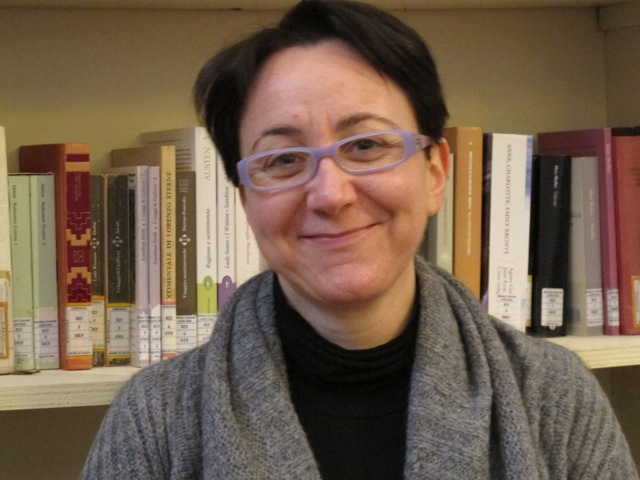
Say hello to Angela, the librarian if you drop in.

20120221-034545.jpg

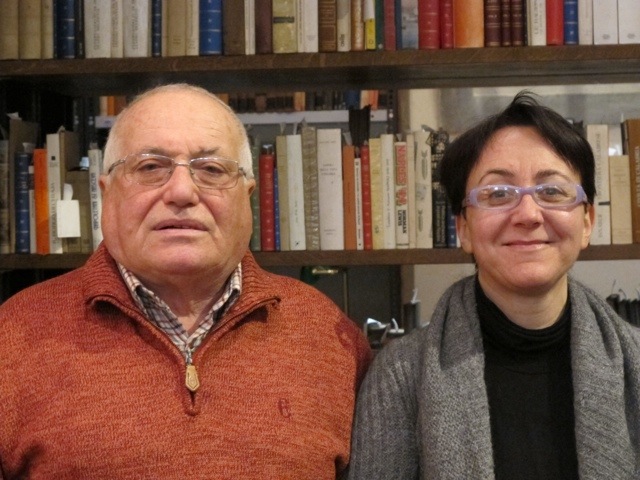
Sometimes Signore Cherubini is there as well. He can tell you lots about Bagni di Lucca.

20120221-035011.jpg

Seasons

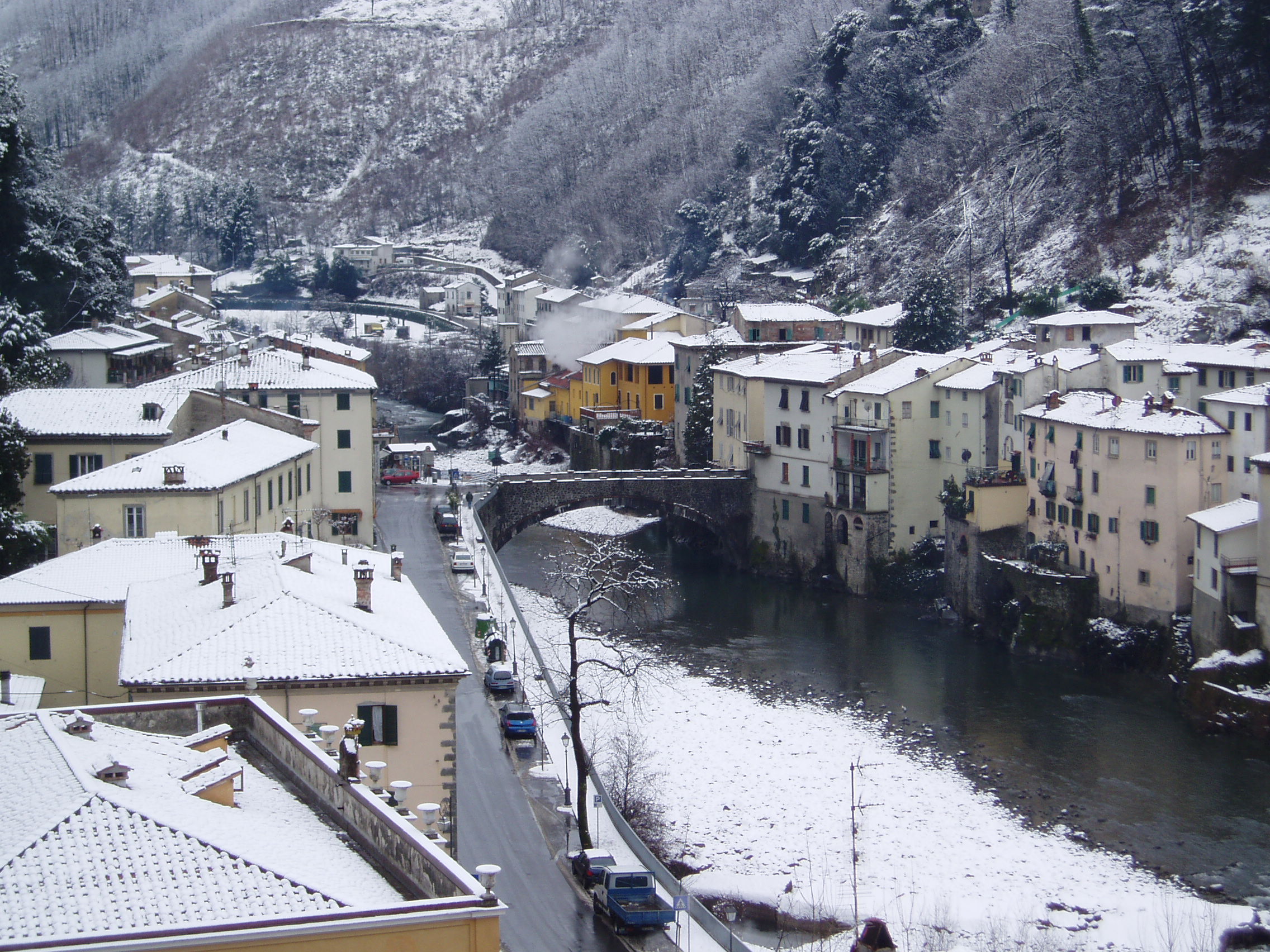
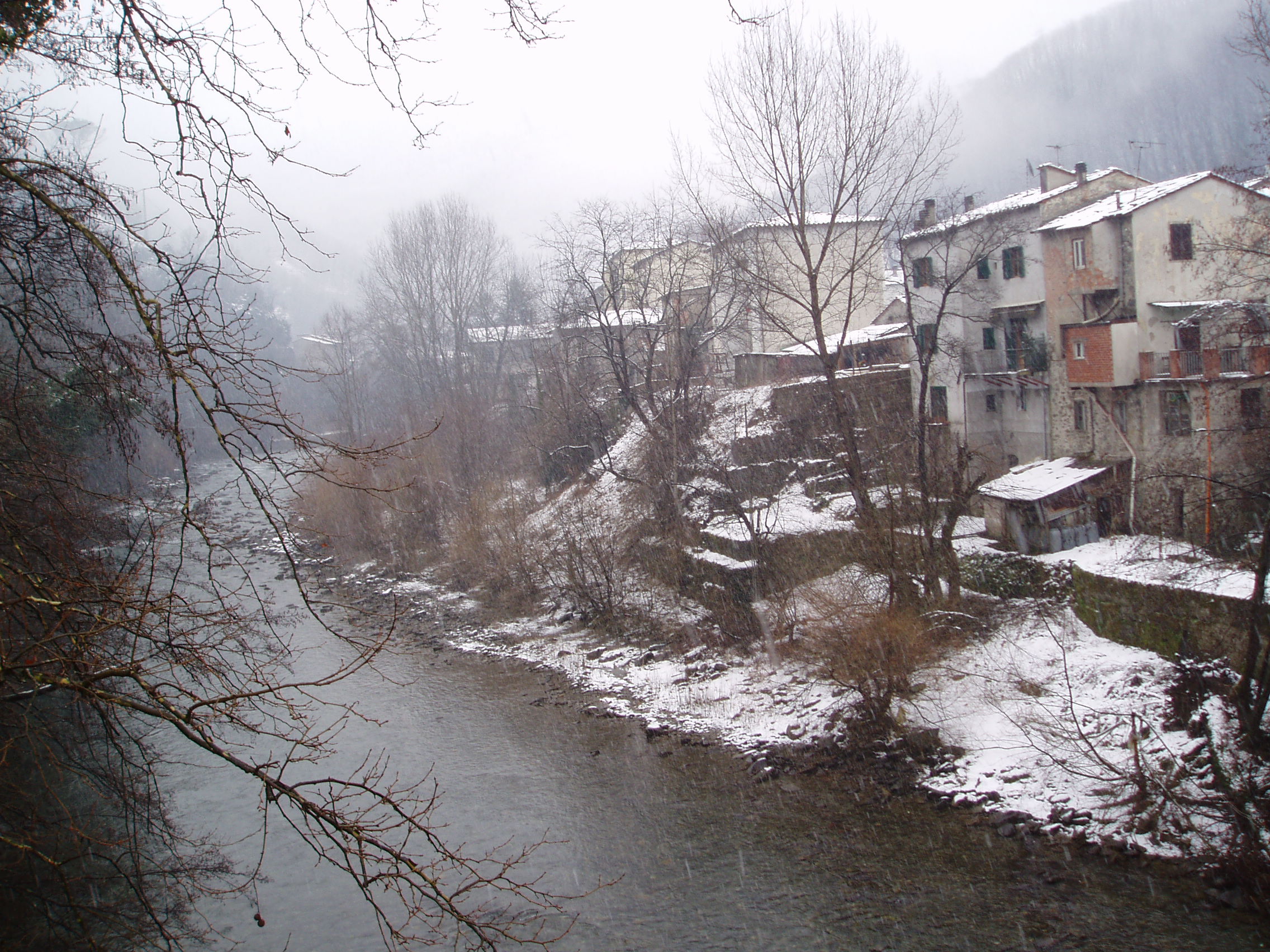
One of the things I like most about living in Bagni di Lucca is the change of seasons. I love the starkness of winter with the occasional promise of snow.

20120216-020217.jpg

our beautiful mountains

Ponte a Serraglio covered with snow

Villa Fiori in winter

From the bridge in La Villa

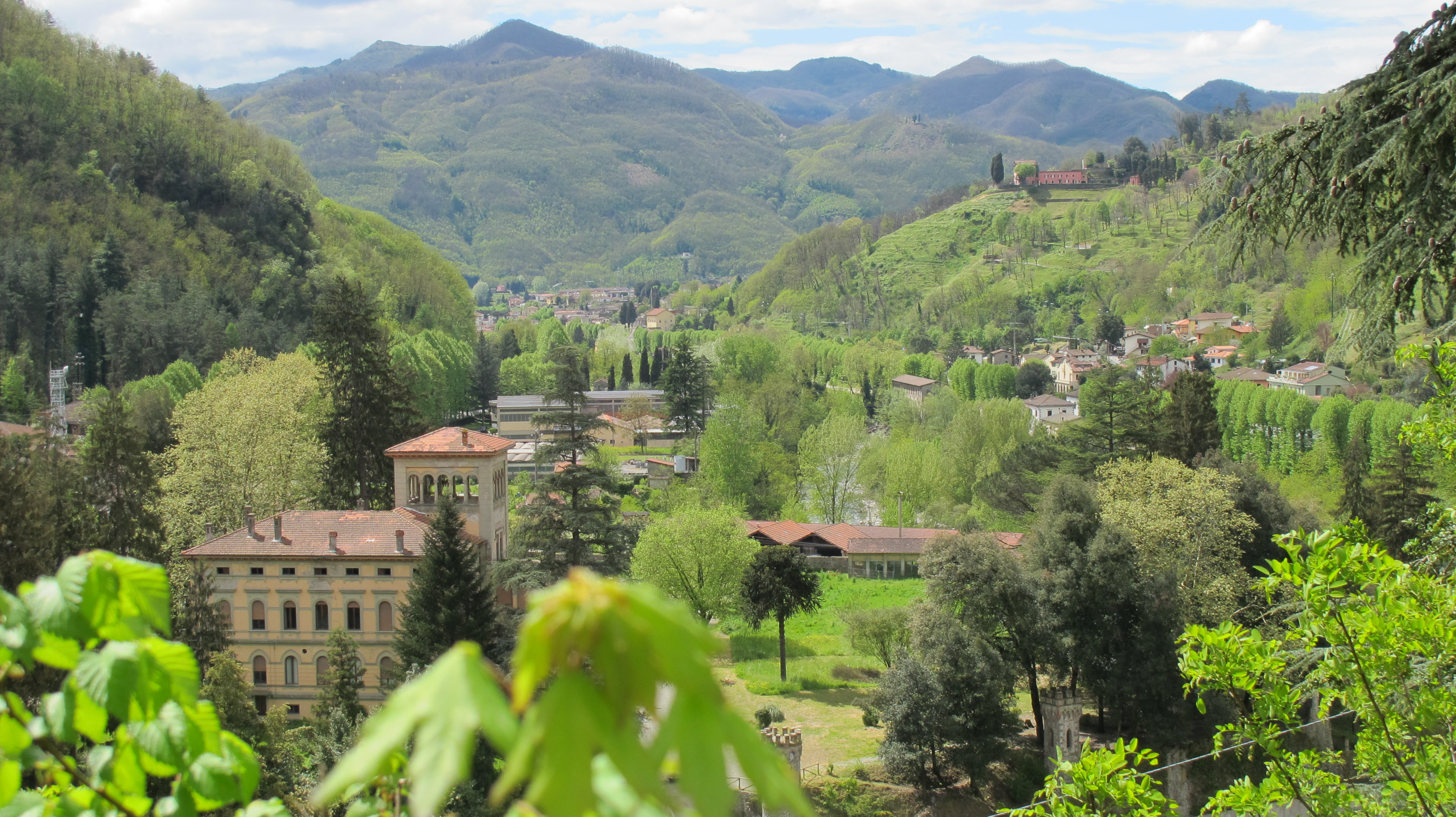
Spring is everybody’s favourite when everything turns green and beautiful.

spring comes to the mountains

The villages come to life when the sun shines.

Ponte a Serraglio turns green

Villa Fiori in spring

The roads into Bagni di Lucca turn into green tunnels

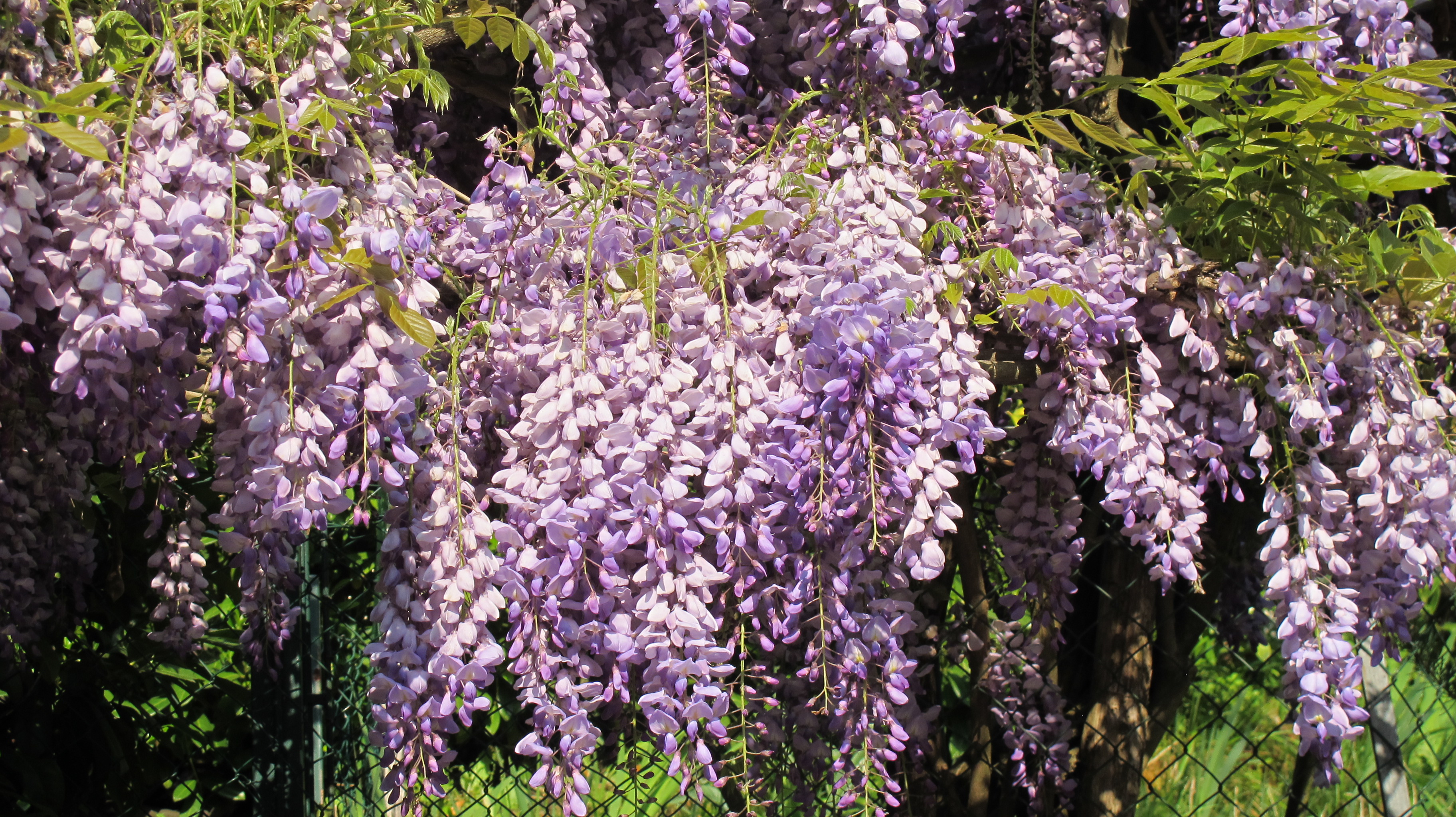
In spring and summer flowers bloom everywhere.
wisteria makes lilac curtains

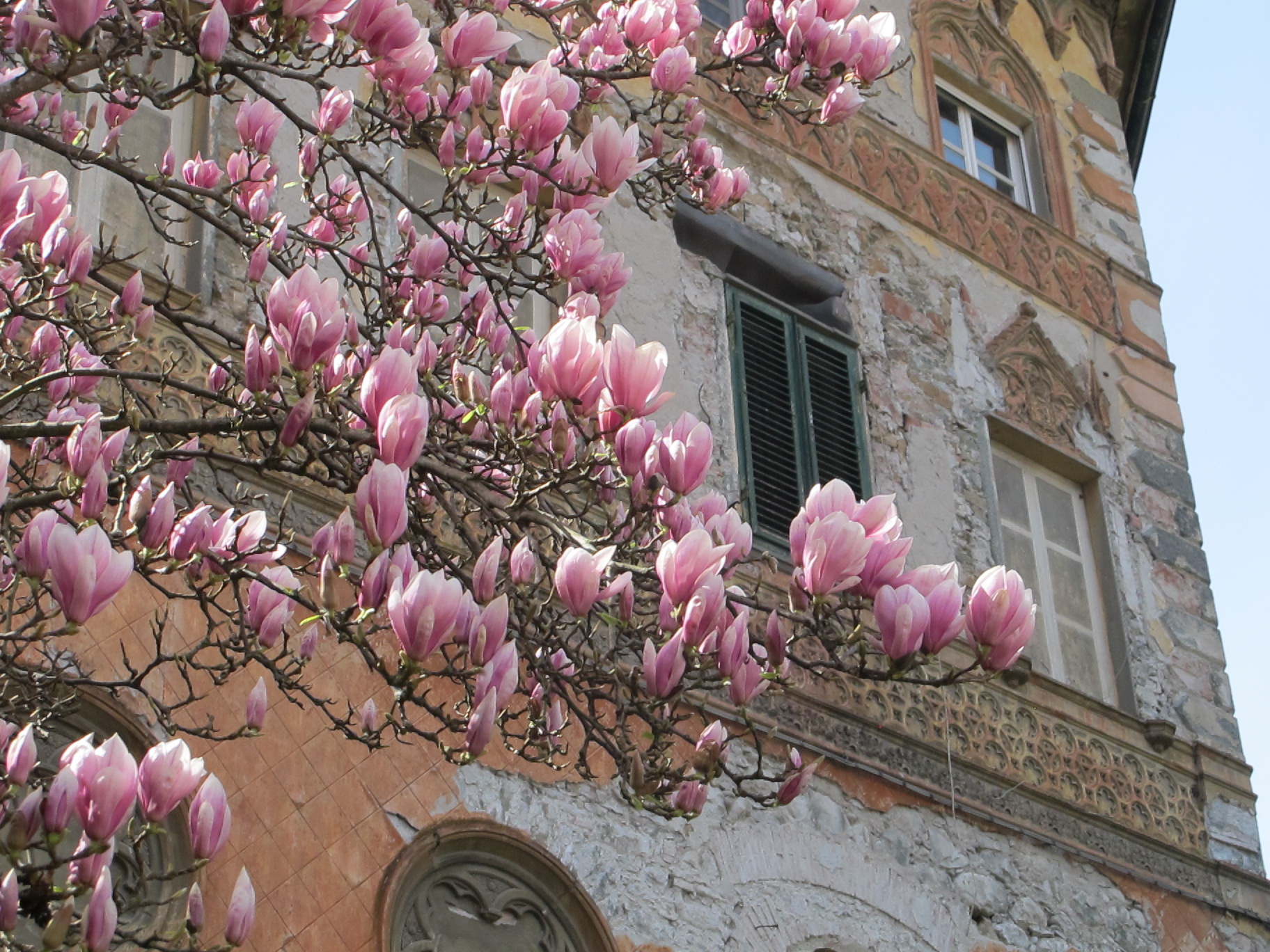
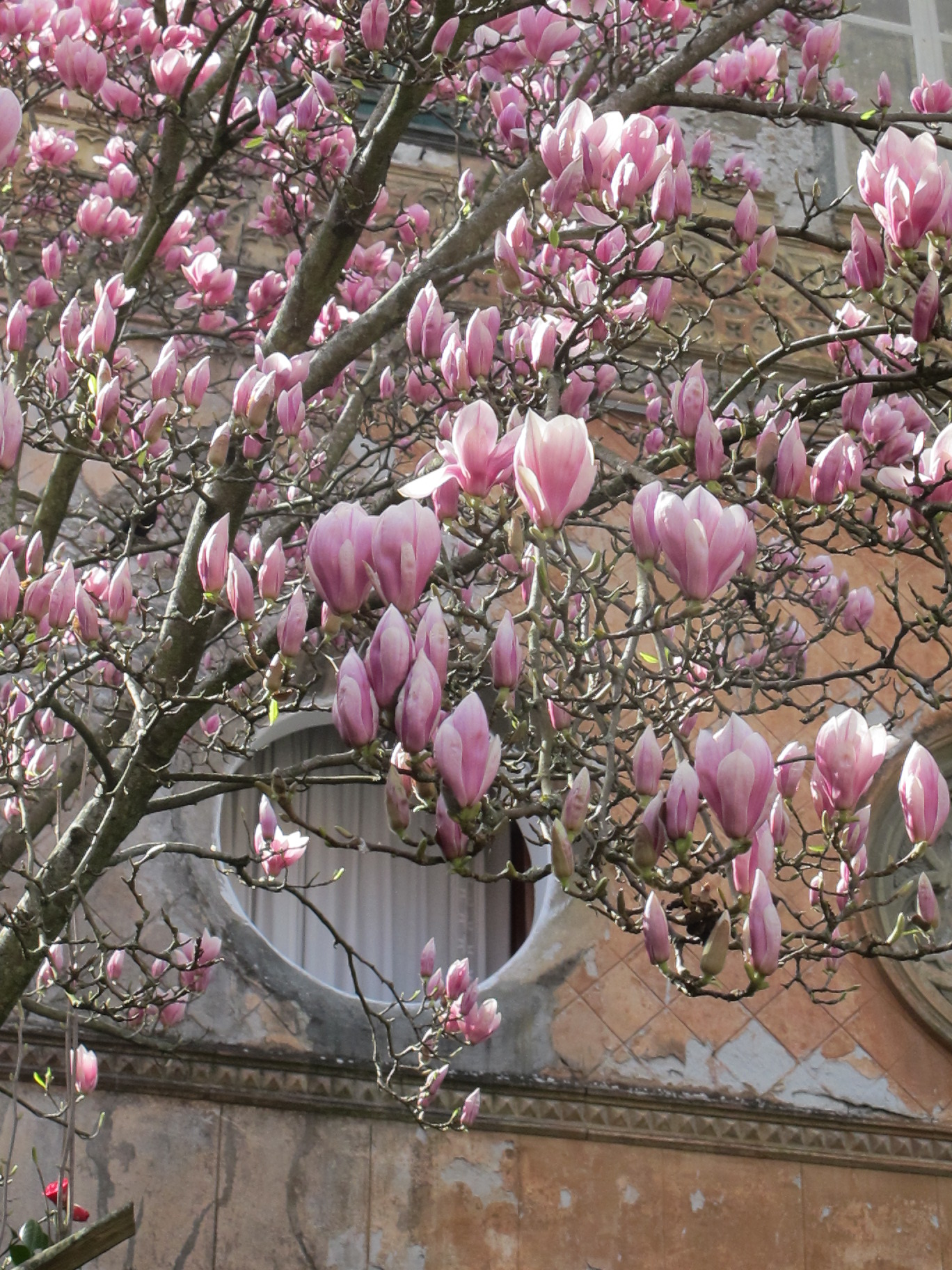
pink magnolias

Magnolias at the English church in La Villa

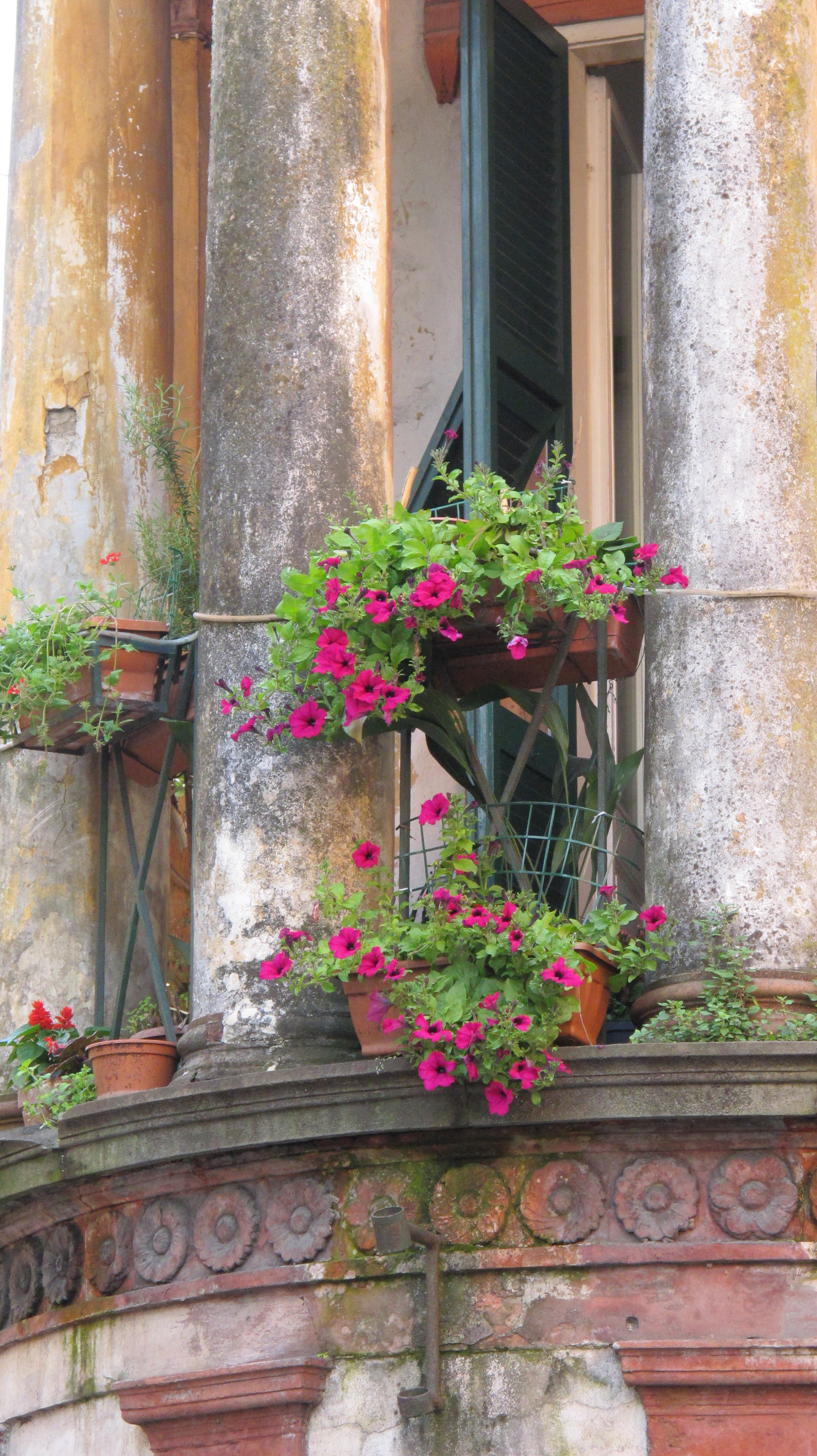
a balcony with petunias

In spring acacia blossoms turn the hills white and fill the air with the most delicious honey fragrance.
acacia blossoms

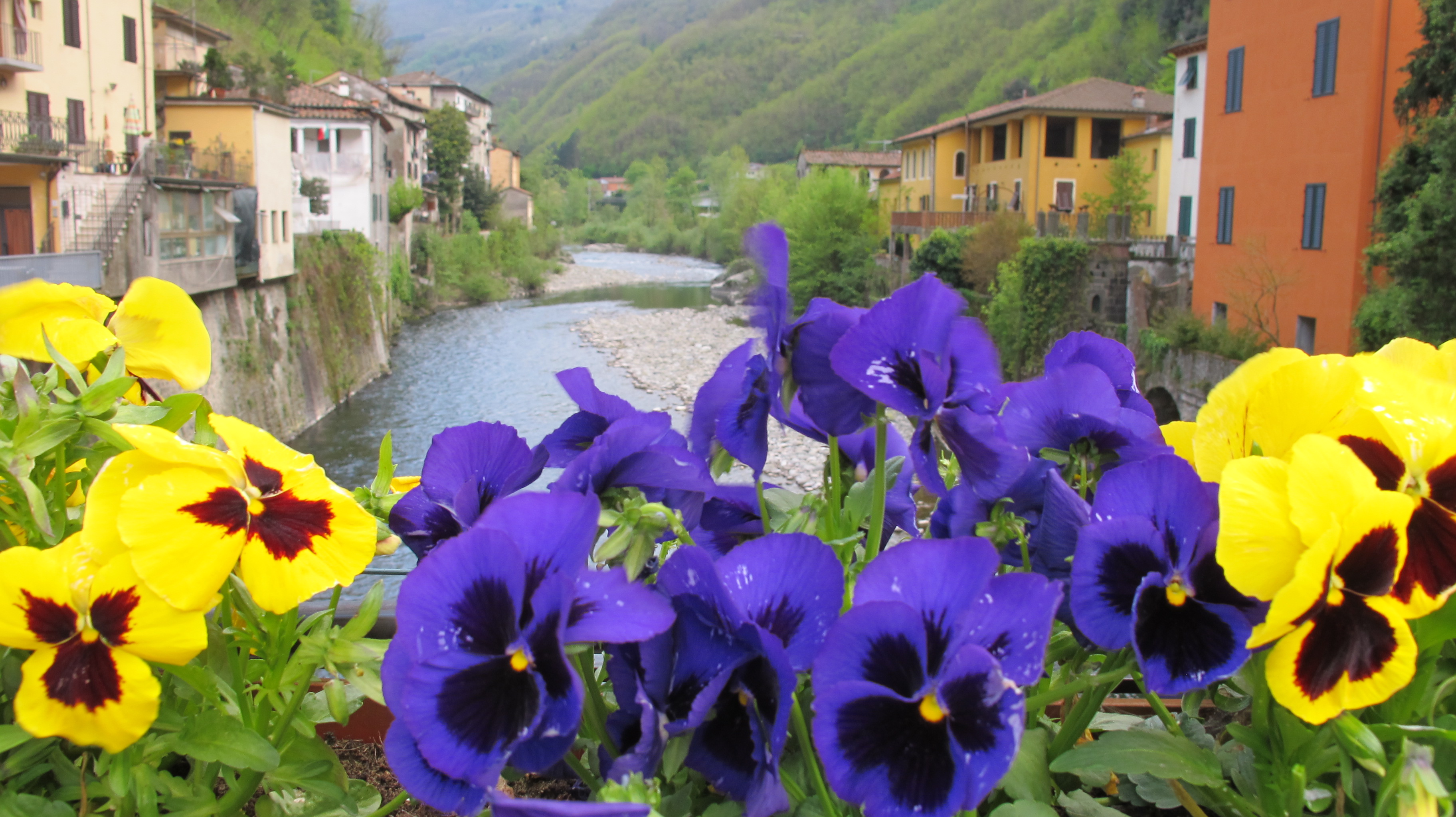
Pansies are happy little flowers and lift their faces to the sun at the first opportunity.
pansies at Ponte a Serraglio

Peonies are my favourite flowers and they seem to grow wild in our area.

my favourite flower

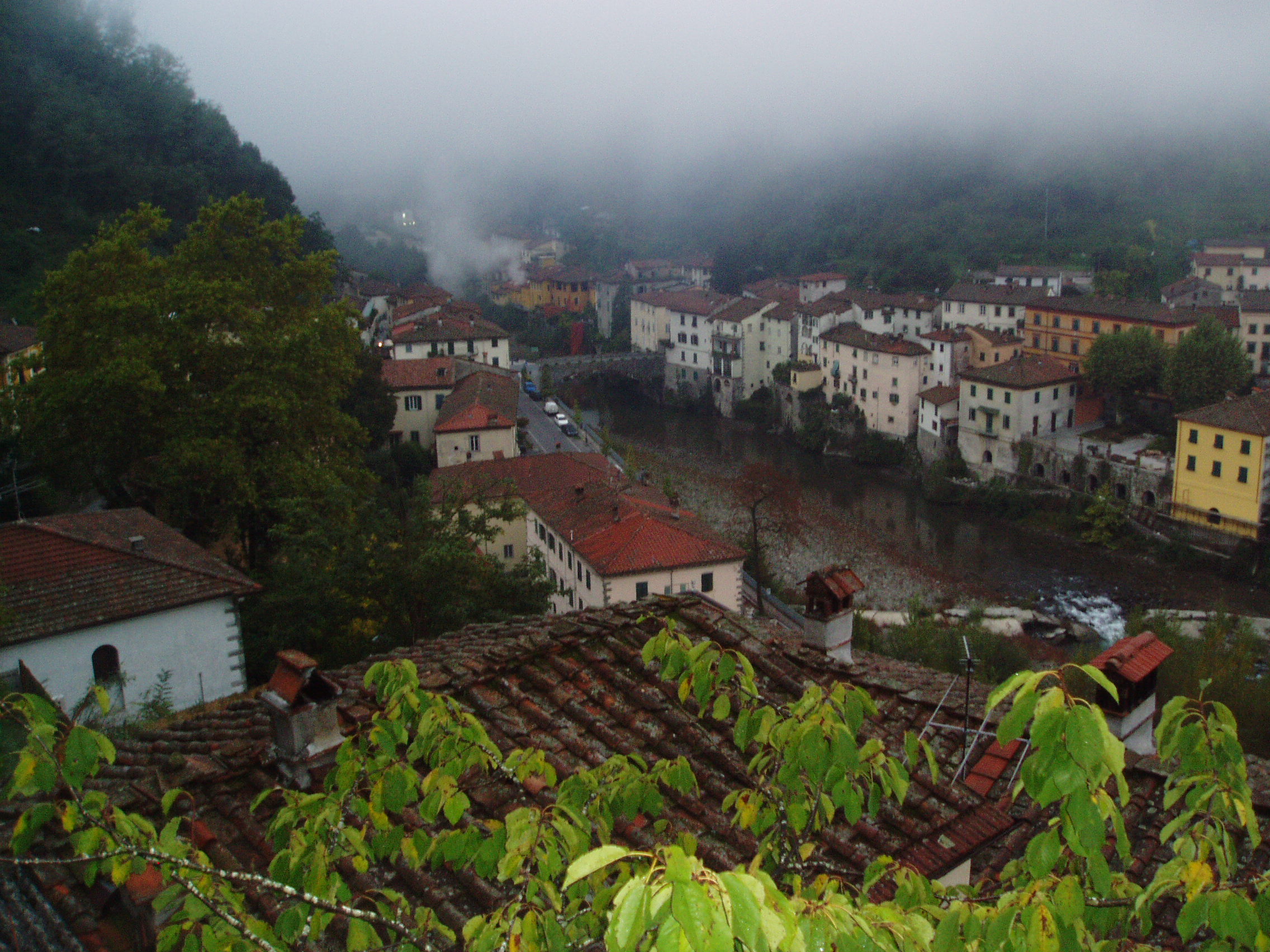
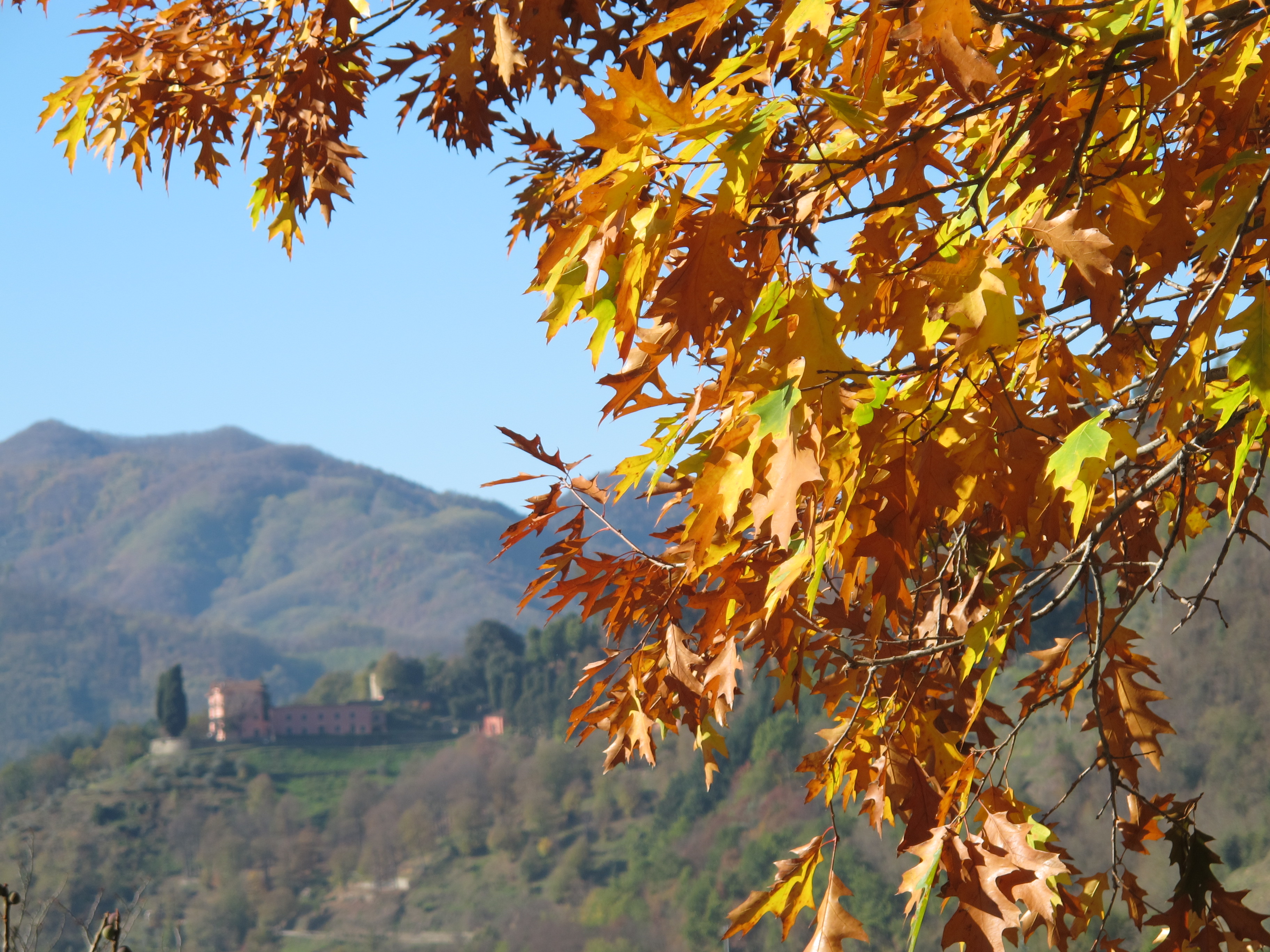
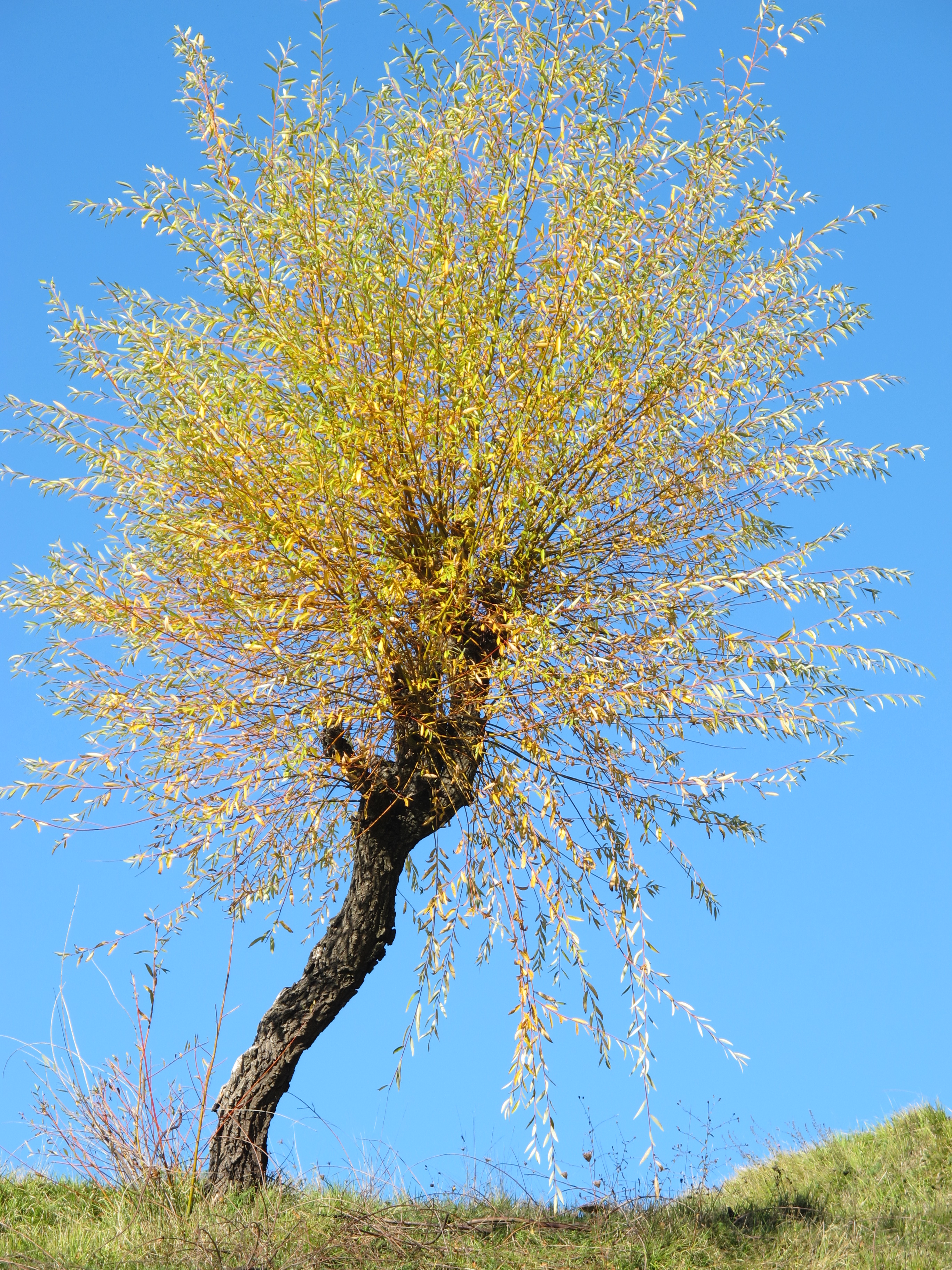
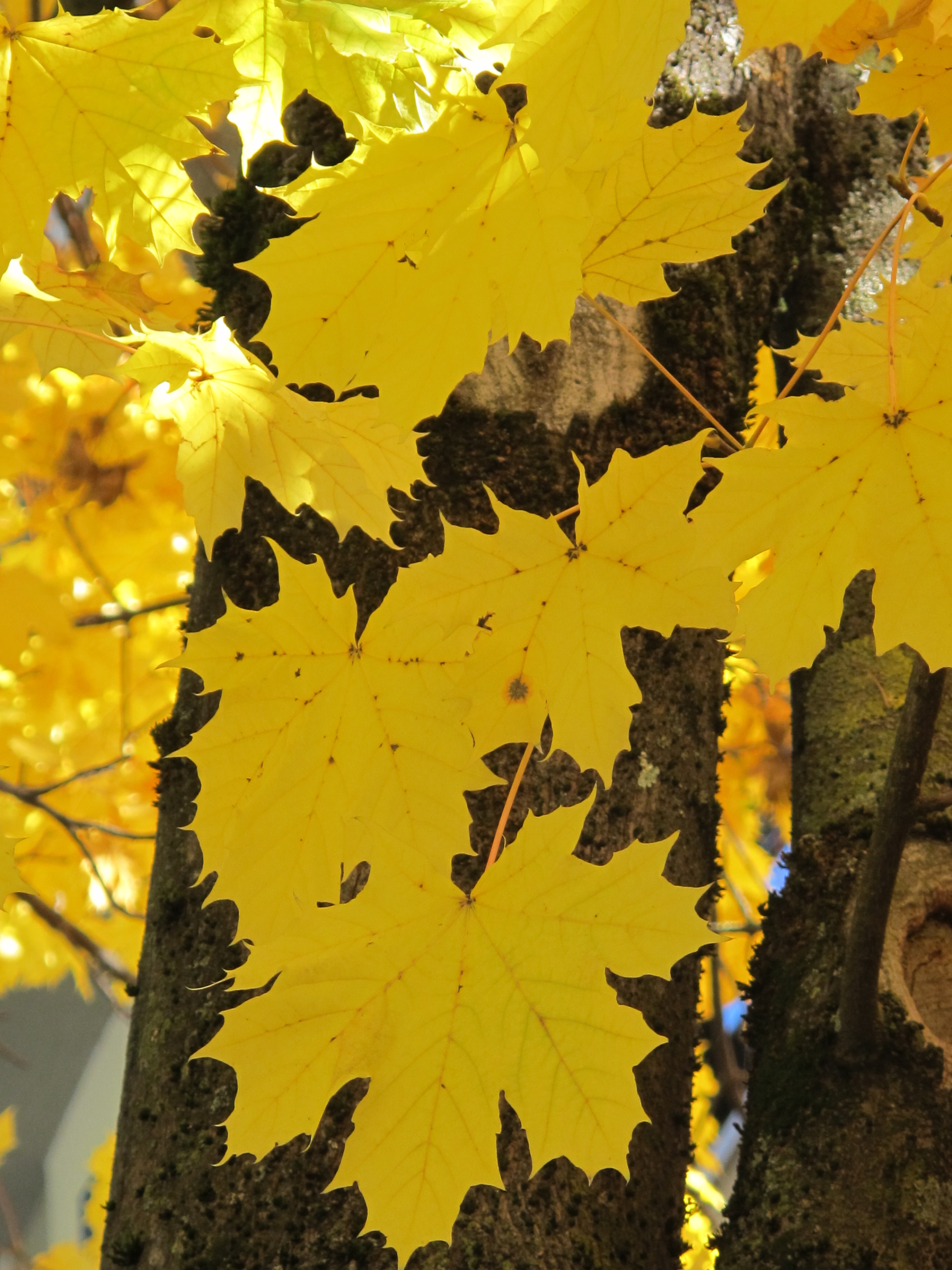
Autumn in Bagni di Lucca is a particularly beautiful season. The trees turn yellow and gold and the mornings and evenings turn deliciously cool.

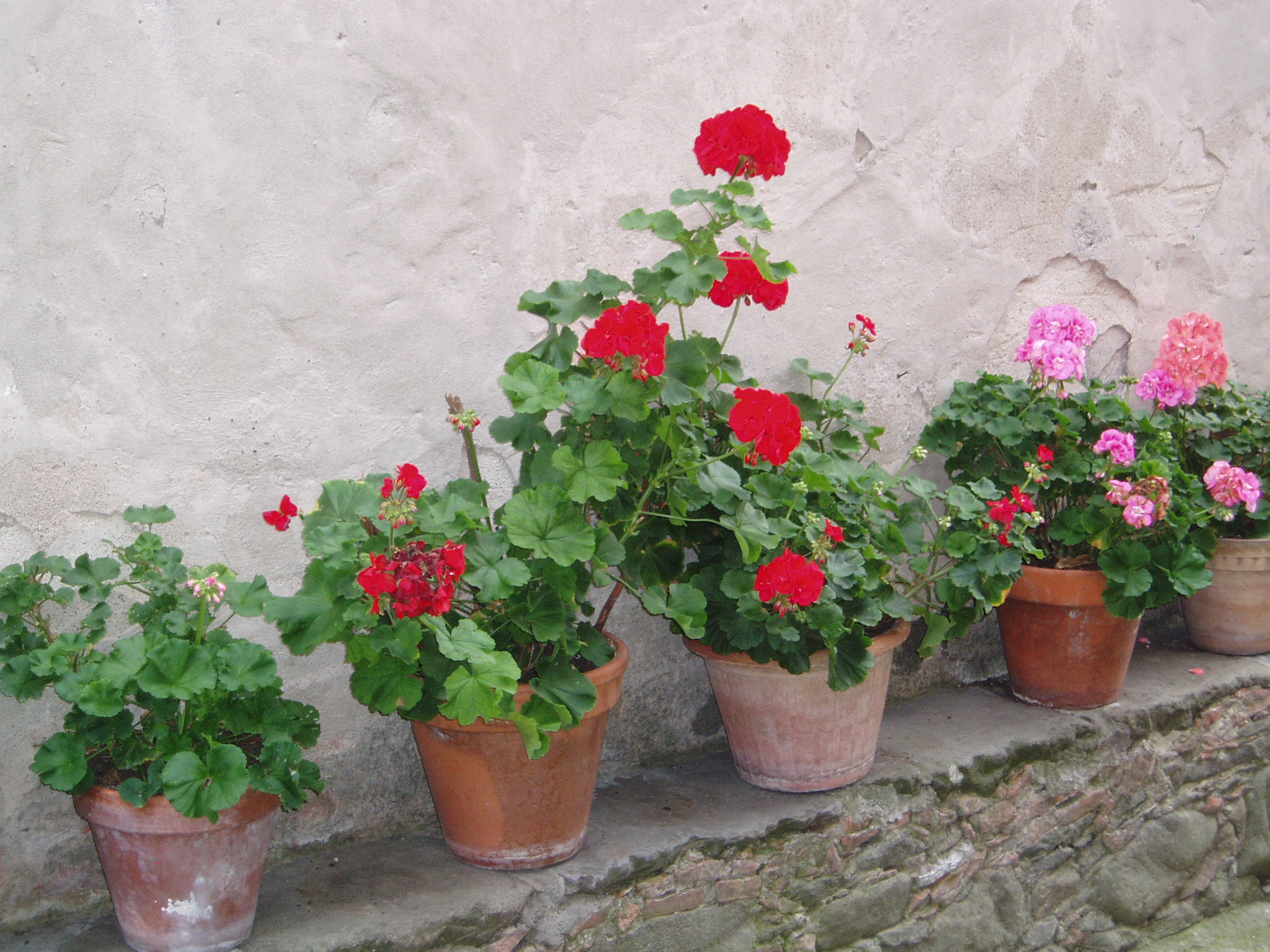
pretty geraniums are everywhere

Ponte a Serraglio in autumn

the old station at Fornoli

from Bagni Caldi

autumn in the mountains

glorious autumn colour

the last leaves fall

and winter returns